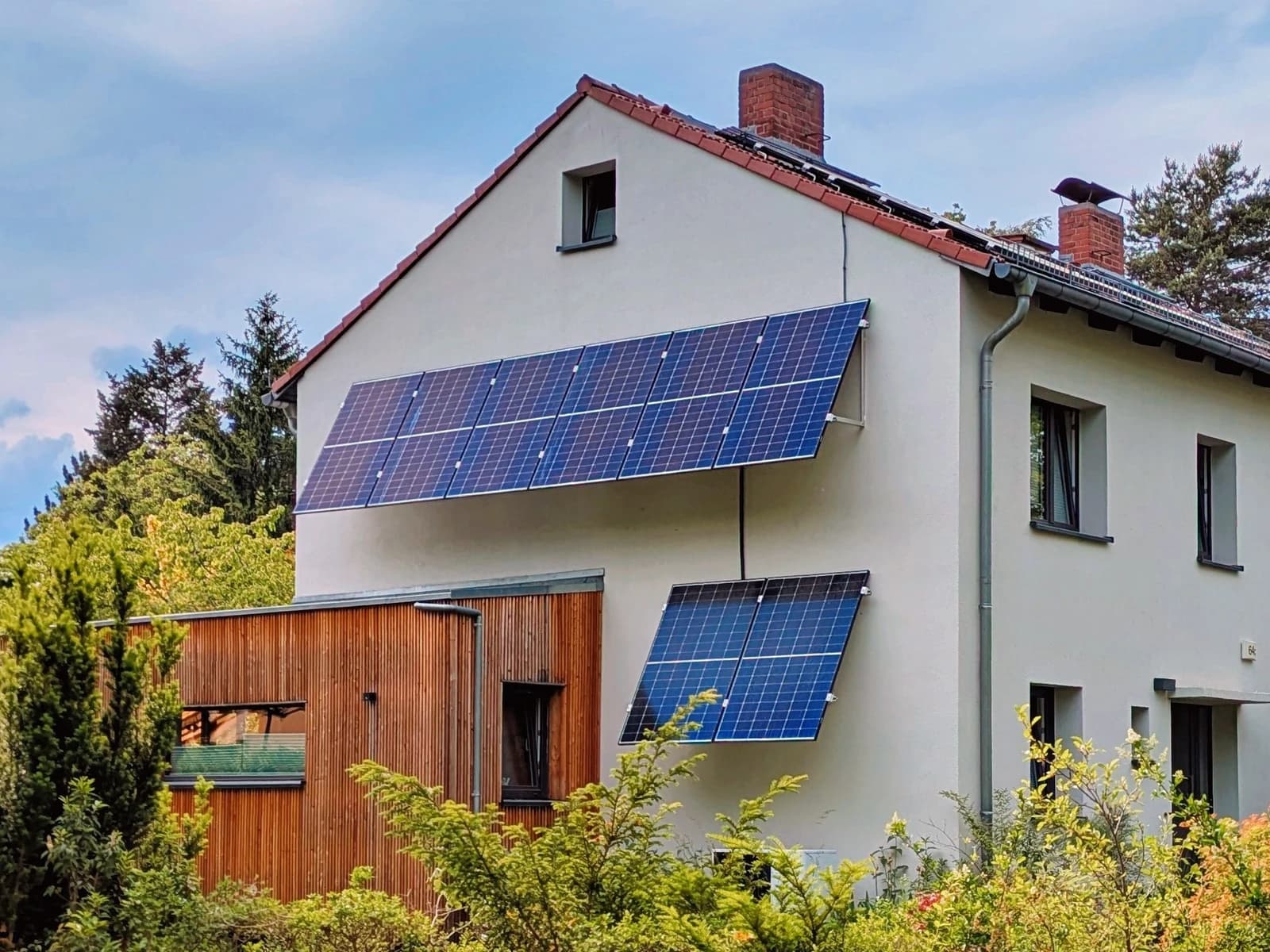
Solar investors are still betting on longer-lived, higher-efficiency panels, a preference that continues to favor premium module makers and keeps pressure on suppliers tied to older or less durable technology.
Solar Panel Buyers Favor N-Type and TOPCon
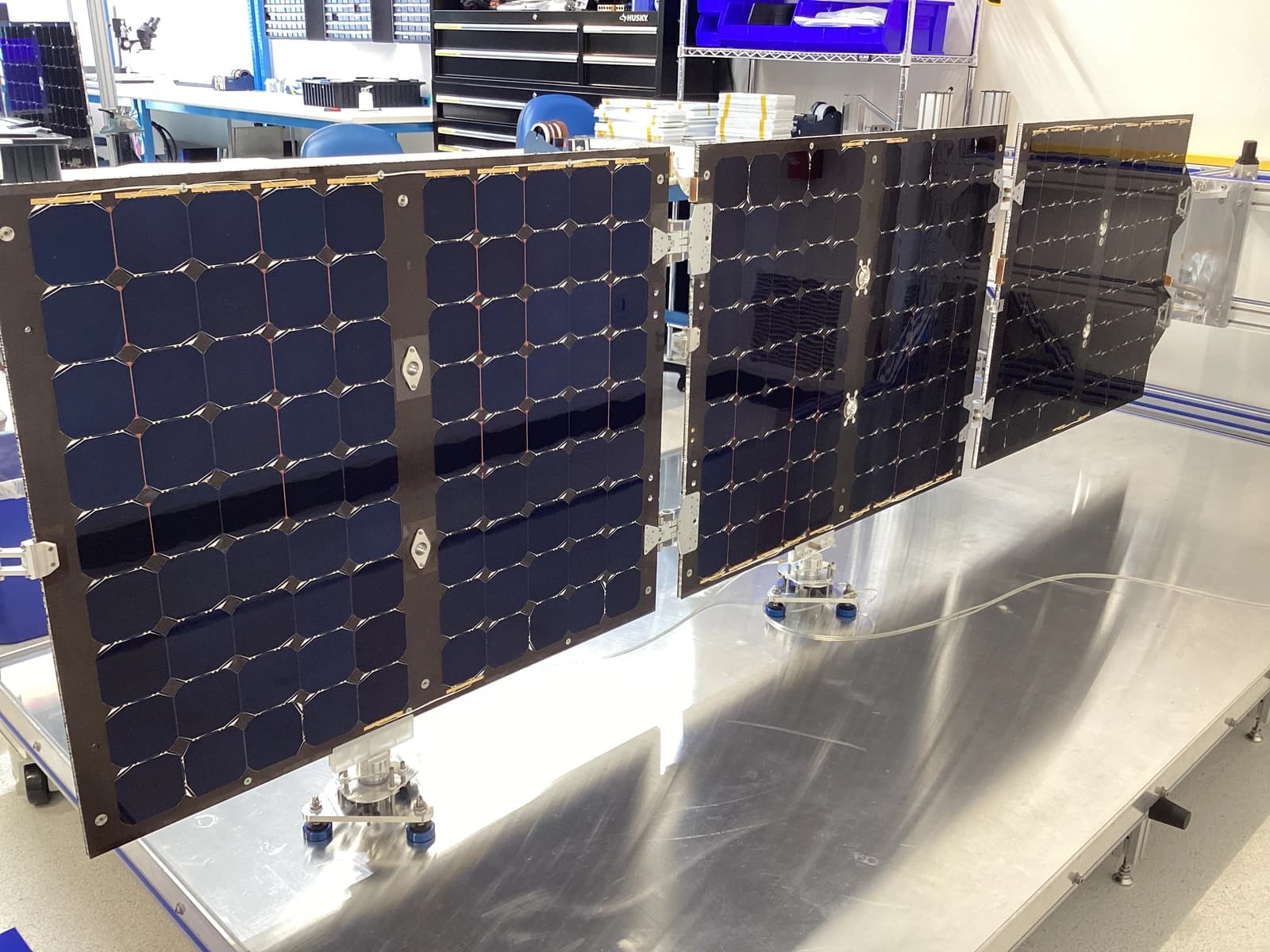
That matters because in solar, lifetime output often matters more than the cheapest upfront price. The Hindi-language buying guide in the data points to monocrystalline and N-Type panels as the longest-lasting options, saying monocrystalline modules can last 25 to 40 years and that quality N-Type panels can still deliver more than 88% of output after 25 years.
Sentiment IndicatorsⓘProprietary · adalytica.com · September 9, 2026
This is a snapshot — live sentiment, awareness and momentum for 130+ markets update continuously in the dashboard.Open AlphaPulse
For manufacturers, that durability pitch has real pricing power. First Solar, Enphase Energy and SolarEdge Technologies all sit in a market where customers are increasingly evaluating module lifetime, degradation rates and total energy yield, not just installed cost, and SEC filings from the group underline how competition is shaped by performance attributes and cost per watt.
The stocks are also showing a split in momentum. First Solar was last trading at $213.25, below its 50-day average of $218.54 and 200-day average of $230.40, after a volatile run that saw it trade as high as $284.59 earlier in the period. Enphase was at $38.83, just under its 50-day average of $40.19 and 200-day average of $40.80, while SolarEdge traded at $36.43, also below both its 50-day average of $41.45 and 200-day average of $42.05.
Technical readings suggest the sector has cooled from recent rallies but remains active. First Solar’s RSI stood at 43.7, Enphase’s at 54.6 and SolarEdge’s at 69.9, with SolarEdge the strongest near-term mover as investors rotate between names tied to residential demand, utility-scale buildouts and efficiency upgrades.
The bigger story is that longevity is becoming a competitive moat. As policy support, tariffs and manufacturing issues reshape the U.S. solar market, companies that can prove lower lifetime degradation and stronger output retention are better positioned to defend margins and win capital spending.
The next catalyst is whether utilities and installers continue shifting procurement toward N-Type, TOPCon and HJT panels, which could help premium suppliers while squeezing makers of lower-end modules.
| Entity | Gains | Losses |
|---|---|---|
| N-Type / TOPCon / HJT panel makers | ▲Premium pricing power | ▼Lower-end module makers |
| First Solar | ▲Focus on performance and durability | ▼Price-only competitors |
| Enphase / SolarEdge | ▲Demand for higher-value systems | ▼Commodity panel suppliers |
| Utilities and installers | ▲Longer asset life, higher output | ▼Higher upfront equipment costs |