Solidcore Resources is making a calculated bet on Japan’s under-explored gold belts, launching a $25 million, three-year exploration partnership with Japan Gold that could eventually give the Kazakhstan miner control of up to 80% of five projects.
Solidcore Resources buys stake in Japan Gold
The deal matters because it is not just a small joint venture — it is a capital-backed entry into one of the world’s safer mining jurisdictions at a time when investors are rewarding gold exposure, balance-sheet discipline and discovery optionality. Solidcore is effectively paying for a call option on district-scale upside in Japan while securing a meaningful equity stake in Japan Gold, a structure that can create value if drilling confirms the geological promise.
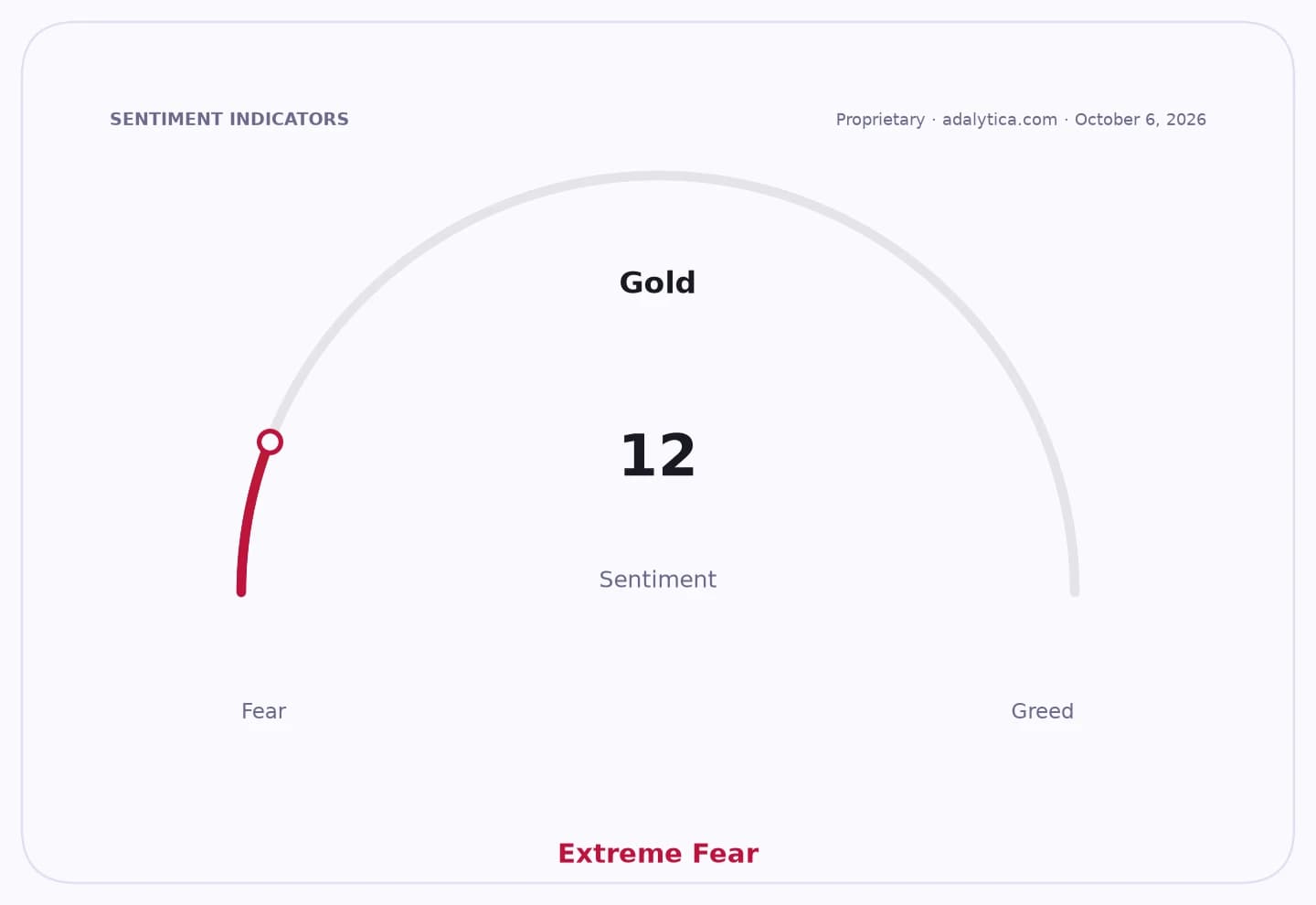
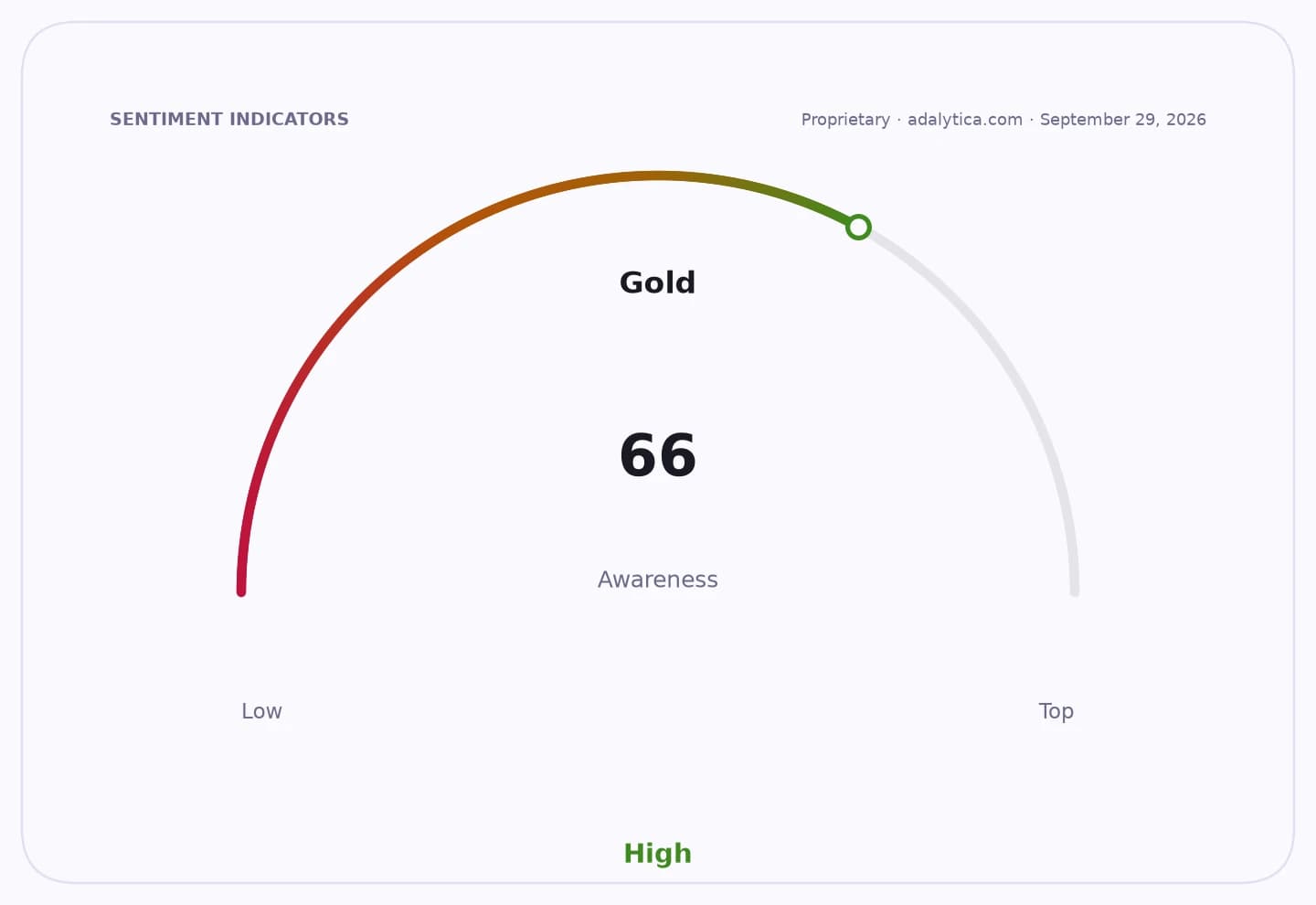
Sentiment IndicatorsⓘProprietary · adalytica.com · September 29, 2026
This is a snapshot — live sentiment, awareness and momentum for 130+ markets update continuously in the dashboard.Open AlphaPulse
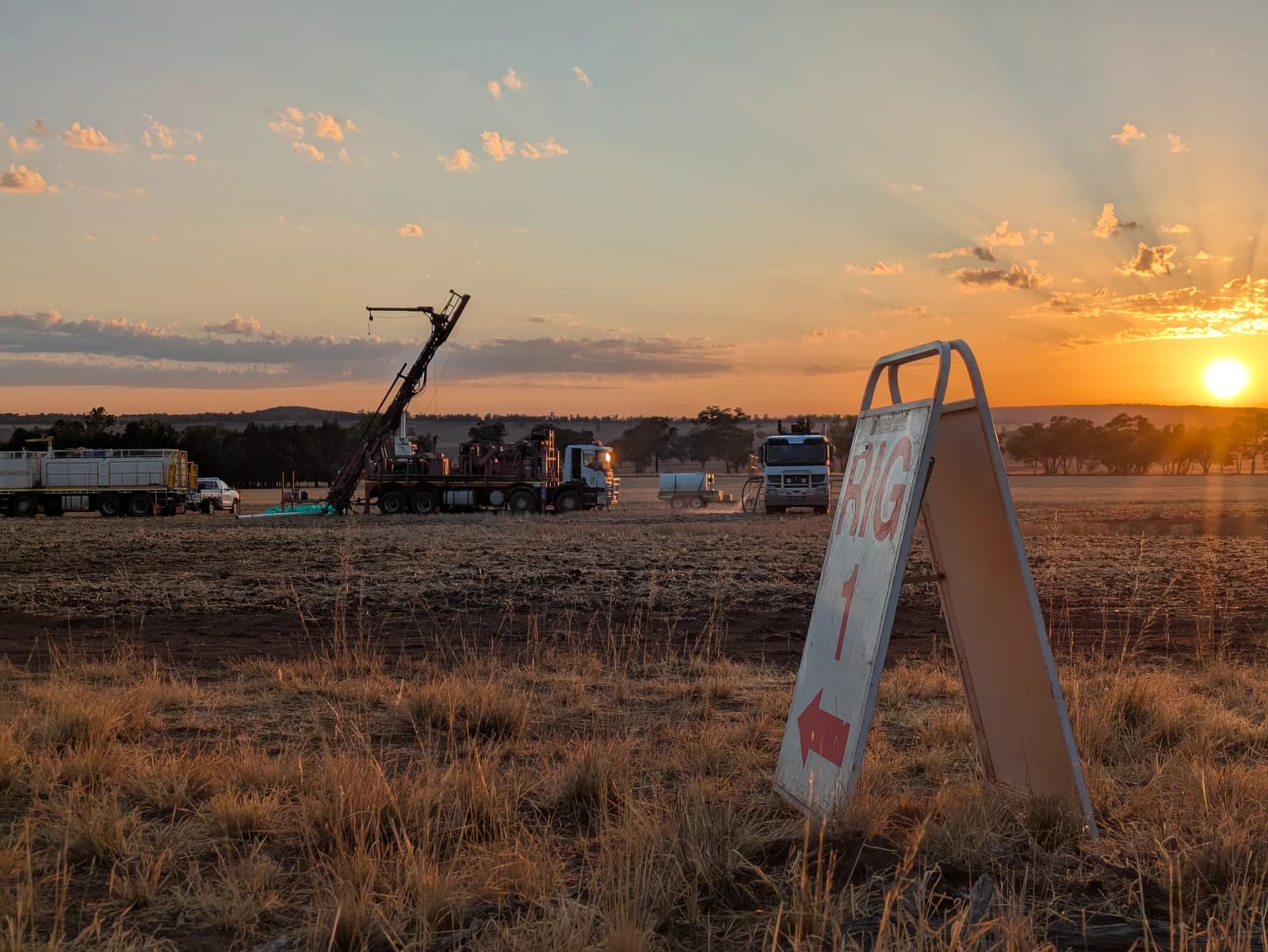
Under the agreement, Solidcore will fully fund the first phase across five target areas in Hokkaido and Kyushu, including Hakuryu, Bajo, Mizobe, Ryuo and Aibetsu. If results warrant, it can earn a 49% direct interest in one or more areas after the initial exploration phase, then raise that to 70% by funding a pre-feasibility study and to 80% by financing a bankable feasibility study.
That staged approach is important for capital markets. It limits upfront risk while preserving leverage to exploration success — exactly the kind of asymmetric setup that can re-rate a junior gold portfolio if the ground delivers. Solidcore is also buying optionality at the corporate level: it took 78.775 million Japan Gold units for C$9.45 million, giving it an 18.81% stake on a non-diluted basis and 19.9% if warrants are exercised.
For Japan Gold, the partnership is a validation of its land package and a funding lift. The company says the proceeds will support exploration across its broader 22-project portfolio, increase drilling capacity and cover working capital. Solidcore’s right to nominate two directors also gives it influence over strategy, while a joint technical committee with a Solidcore tie-break vote suggests the Kazakh miner will shape the pace and direction of work.
The geology is the real attraction. The targets sit near historic producers, including Konomai in Hokkaido and Bajo in Kyushu, while Mizobe is compared with the Hishikari deposit, one of Japan’s most important gold systems. That is why the market should view this as a hunt for a potentially generational district, not a routine exploration spend.
The broader implication is that capital is moving toward stable, under-explored jurisdictions with proven geology. In a gold market already supported by defensive demand and macro uncertainty, companies that can convert cash into discovery in low-risk countries have a better shot at sustained valuation gains than pure producers with no growth story. Solidcore is trying to own both sides of that trade: cash flow from existing assets and discovery leverage from Japan.
Investors should watch the next phase of drilling closely. If early results confirm continuity and grade, Solidcore’s 25% to 80% earn-in structure could prove far more valuable than the initial outlay suggests. If not, the company still owns a sizeable strategic stake in Japan Gold and the right to walk away after funding the first tranche. Either way, this is the kind of disciplined, catalyst-rich gold exposure the market tends to rerate quickly when the drill bit turns.
| Entity | Gains | Losses |
|---|---|---|
| Solidcore Resources | ▲Japan optionality, strategic stake | ▼Exploration capital at risk |
| Japan Gold | ▲Funding, drilling capacity, board support | ▼Future dilution, control pressure |
| Gold investors | ▲Discovery upside in safe jurisdiction | ▼Junior exploration risk |
| Existing project sellers / competitors | ▲— | ▼Attention and capital diverted away |