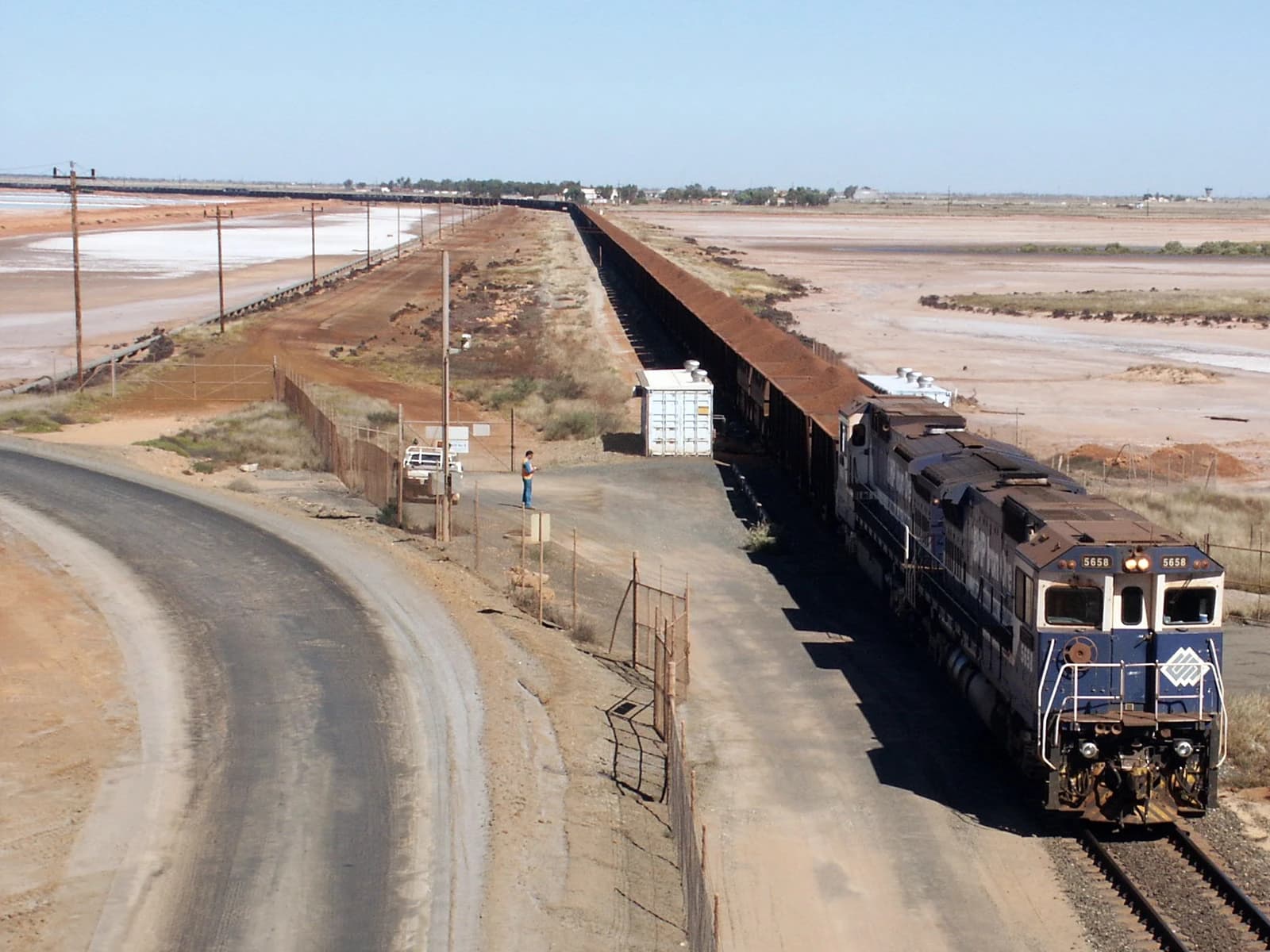
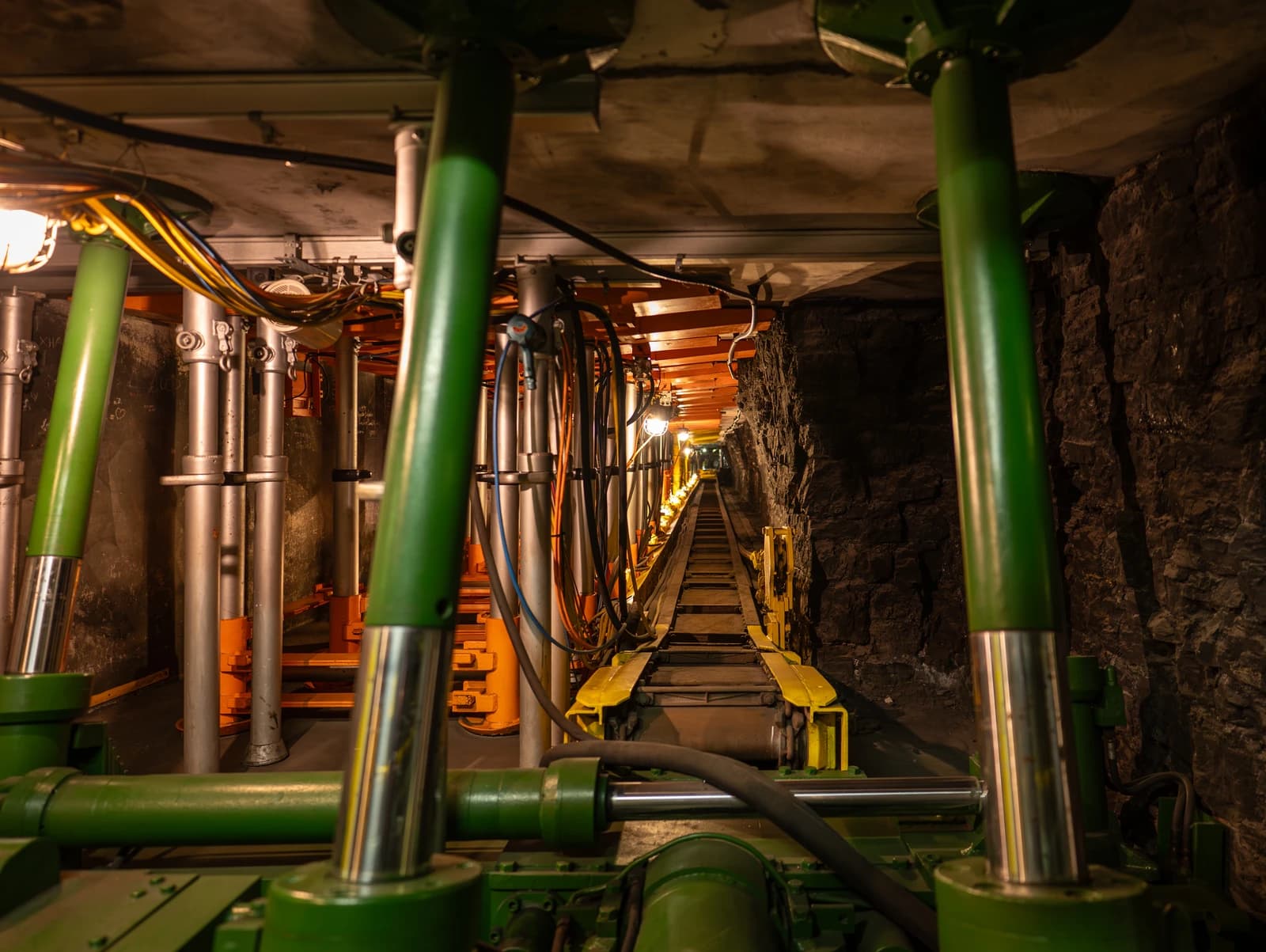
Catalina Resources is unlocking up to A$1.29 million by exiting its Tasmanian iron ore project, a move that gives the small explorer more firepower to drill for gold and tungsten in Western Australia’s Mid-West, where management sees a clearer route to resource growth and potential development.
Catalina Resources exits Tasmania for WA drilling
The transaction matters because for a company with a market value of about A$9.36 million, the release of rehabilitation security is meaningful capital. Catalina said A$827,200 is expected to be returned by the Tasmanian government, with a further A$466,000 potentially freed when a bank guarantee is released. That money will be redirected to exploration rather than tied up in closure obligations for a non-core asset.
For investors, the deal shifts the story from asset retention to capital discipline. Catalina is removing environmental and rehabilitation liabilities linked to the Nelson Bay River Iron Ore Project and concentrating on higher-conviction exploration at Kirkalocka and Tallering. That is the kind of portfolio pruning junior miners often need when cash is scarce and drilling success is the main route to value creation.
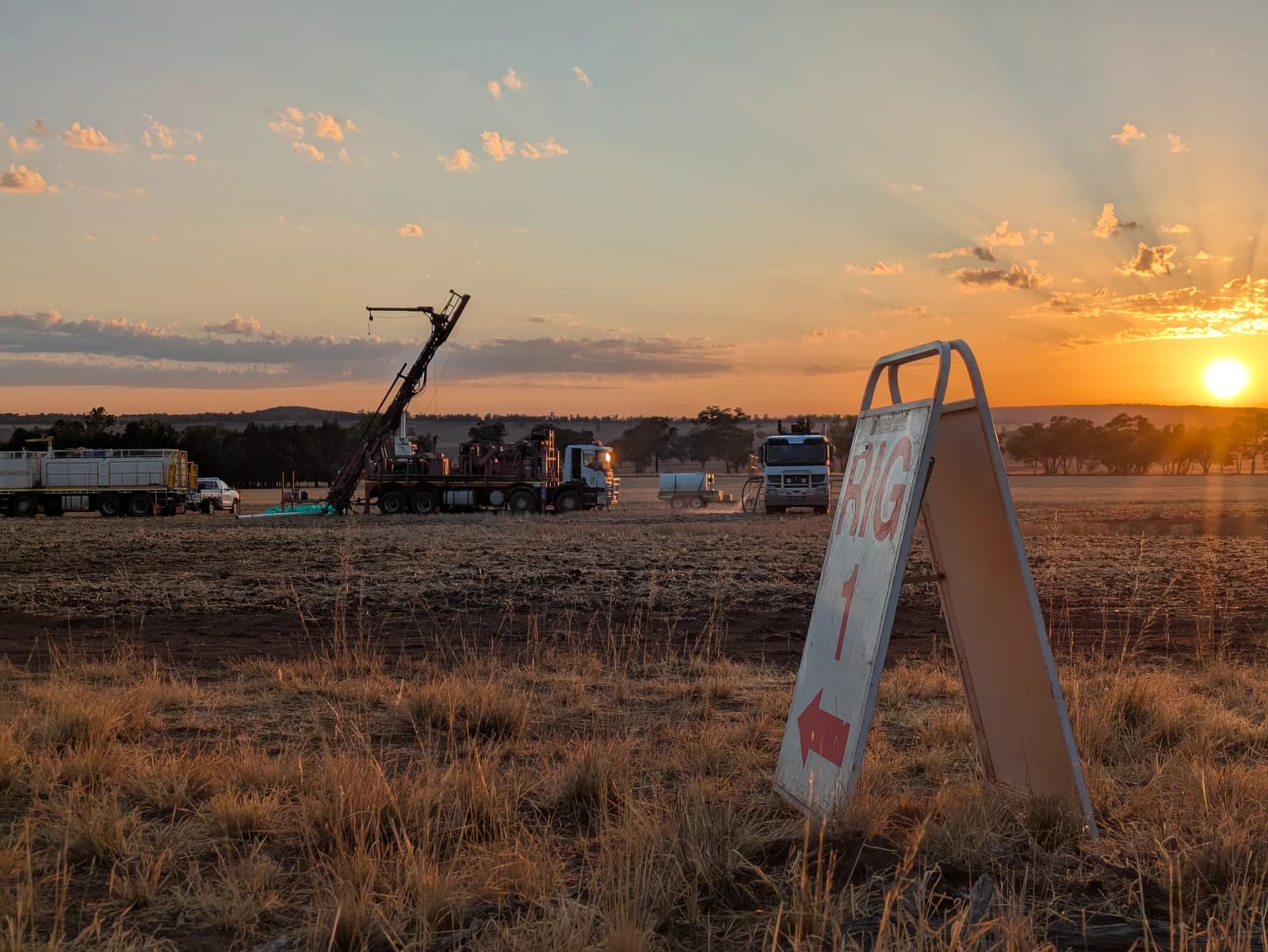
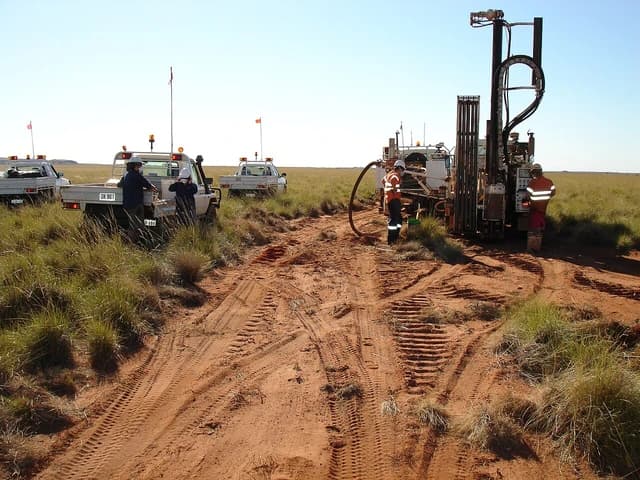
The immediate catalyst is a maiden 3,000-metre reverse-circulation program at Kirkalocka, where Catalina is targeting gold near an existing 2.0 million tonne-a-year processing plant. Proximity to existing infrastructure can reduce both capital intensity and time to production if exploration works, which is why the project is likely to draw more attention than a stranded Tasmanian iron ore asset. The company is also planning drilling at Tallering to test tungsten mineralisation, with contractors already provisionally secured and heritage clearance the last hurdle before work slated from November 2026.
The strategic logic is straightforward: Catalina is trading a low-priority asset with lingering obligations for exposure to projects that could be faster and cheaper to advance. The bull case is that successful drilling at Kirkalocka or Tallering could justify a re-rating from an option-like explorer to a company with a definable resource base near infrastructure. The bear case is that the funding boost is modest in absolute terms and drilling results may not be enough to offset the company’s small scale and a technical backdrop that remains weak, with the stock recently trading below its 50-day and 200-day moving averages and on subdued volume.
For the broader market, the message is that junior miners with non-core assets are still under pressure to streamline portfolios and preserve cash for drilling. Catalina’s exit from Tasmania buys time and flexibility, but the investment case now depends on whether that capital can translate into resources in Western Australia before the market loses patience.
| Entity | Gains | Losses |
|---|---|---|
| Catalina Resources | ▲Cash for drilling | ▼Tasmania liabilities |
| Tasmanian project | ▲Closure completed | ▼Future upside |
| Kirkalocka project | ▲More funding | ▼Execution risk rises |
| Existing investors | ▲Clearer strategy | ▼Still dependent on drill results |