Sony Group and Taiwan Semiconductor Manufacturing are considering a roughly $6.4 billion plant in Japan to make image sensors for cars and robots, a move that would deepen the two companies’ exposure to one of the most strategically important parts of the chip supply chain.
Sony, TSMC weigh $6.4 billion Japan sensor plant
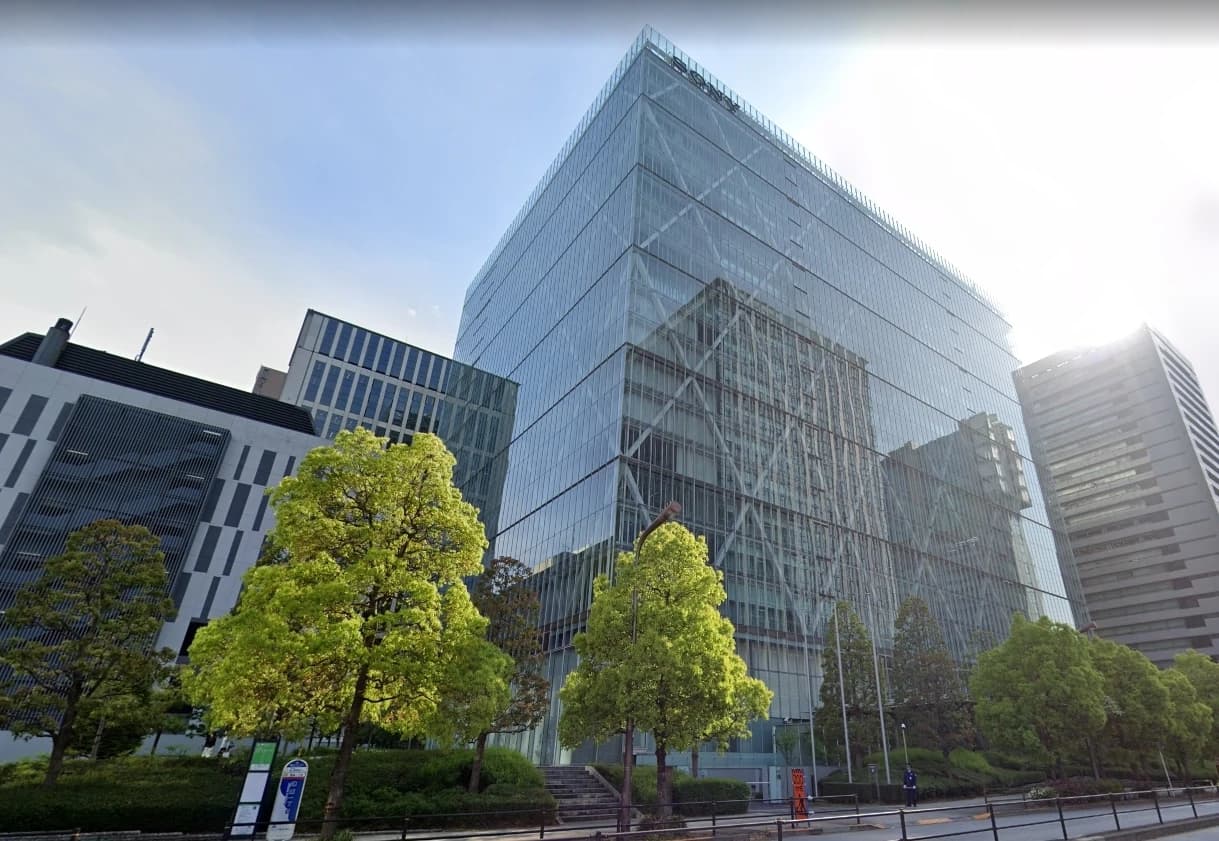
The project matters because automotive and industrial sensors sit at the center of a broader push to localize high-value chip production in Japan, where policymakers want more domestic capacity for critical technologies. For Sony, which dominates image sensors used in smartphones and increasingly in vehicles, additional output could help it defend market share as demand broadens beyond mobile devices. For TSMC, the world’s biggest contract chipmaker, the deal would extend its manufacturing footprint in Japan and strengthen ties with a key customer and technology partner.
Sentiment IndicatorsⓘProprietary · adalytica.com · August 10, 2026
This is a snapshot — live sentiment, awareness and momentum for 130+ markets update continuously in the dashboard.Open AlphaPulse

The plant would be built in Kumamoto prefecture, a region already important to Japan’s chip revival and to Sony’s manufacturing base. The companies are weighing the investment against a backdrop of heavy capital spending across the semiconductor industry, where new fabs and equipment are being financed to capture demand from autos, AI, robotics and factory automation.
TSMC shares have traded well above both the 50-day and 200-day moving averages in recent sessions, while Sony stock has recovered from earlier weakness and sits above its 50-day average. Adalytica’s TSMC Earnings Sentiment snapshot shows a “Greed” reading of 71, though awareness remains low, underscoring how closely investors are watching the chipmaker’s next growth catalyst.
For investors, the proposal points to another long-duration earnings driver for Sony’s imaging business and another reason for TSMC to keep diversifying beyond advanced logic chips. The risk is execution: a multibillion-dollar fab project would require sustained end-market demand and careful capital discipline at a time when global chip supply chains remain sensitive to geopolitics and Japan is balancing industrial policy with security concerns.
The next catalyst is whether the companies formally commit to the plant and how much of the cost is ultimately shared, which would shape both Sony’s margin outlook and TSMC’s Japan expansion plans.
| Entity | Gains | Losses |
|---|---|---|
| Sony | ▲Sensor output, auto exposure | ▼Capital intensity |
| TSMC | ▲Japan footprint, customer ties | ▼More fab spending |
| Japan | ▲Domestic chip capacity | ▼Higher subsidy burden |
| Auto and robotics buyers | ▲Local sensor supply | ▼Dependence on new plant execution |