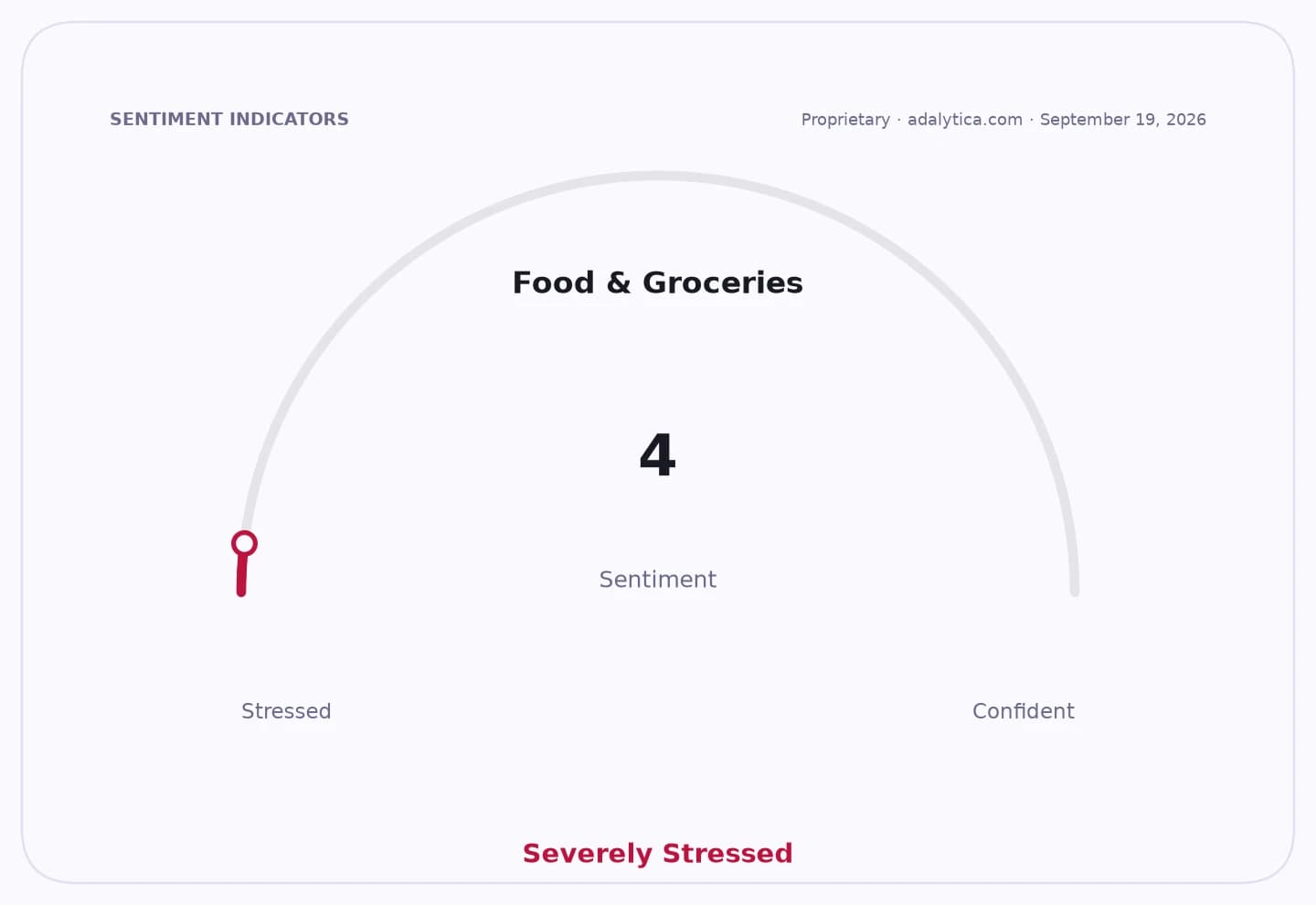
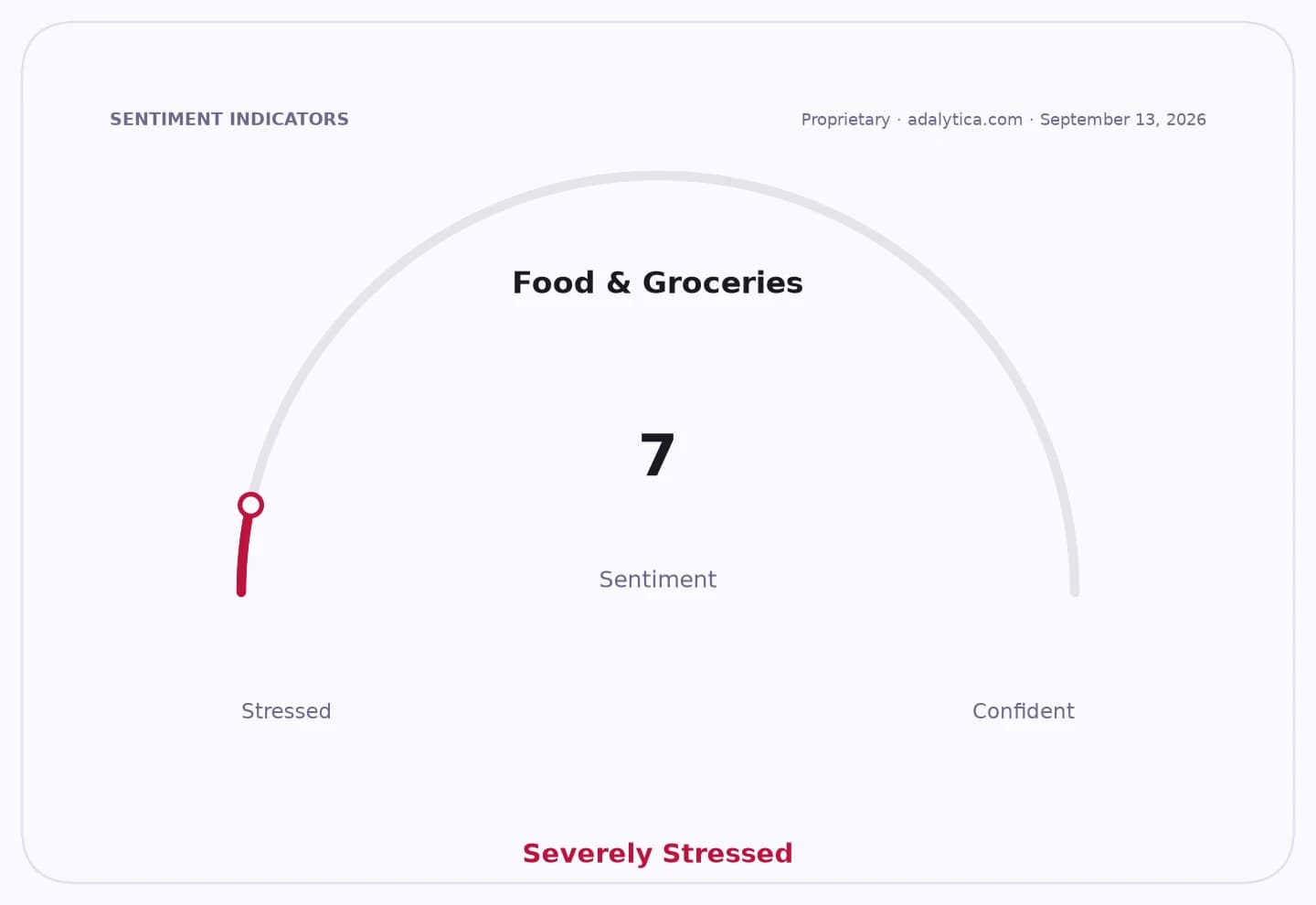
R5 000 stretches further on a basic grocery basket in South Africa than in Botswana, underscoring how inflation, transport costs and exchange-rate effects continue to shape the cost of everyday food across southern Africa.
South Africa Groceries Cost Less Than Botswana
A comparison of nine commonly bought items shows the Botswana basket totals about R756.01 after converting pula prices into rand, versus roughly R637.90 in South Africa, leaving the Botswana selection about R118 more expensive. On that basis, R5 000 would cover around seven of the selected baskets in South Africa, compared with about six in Botswana.
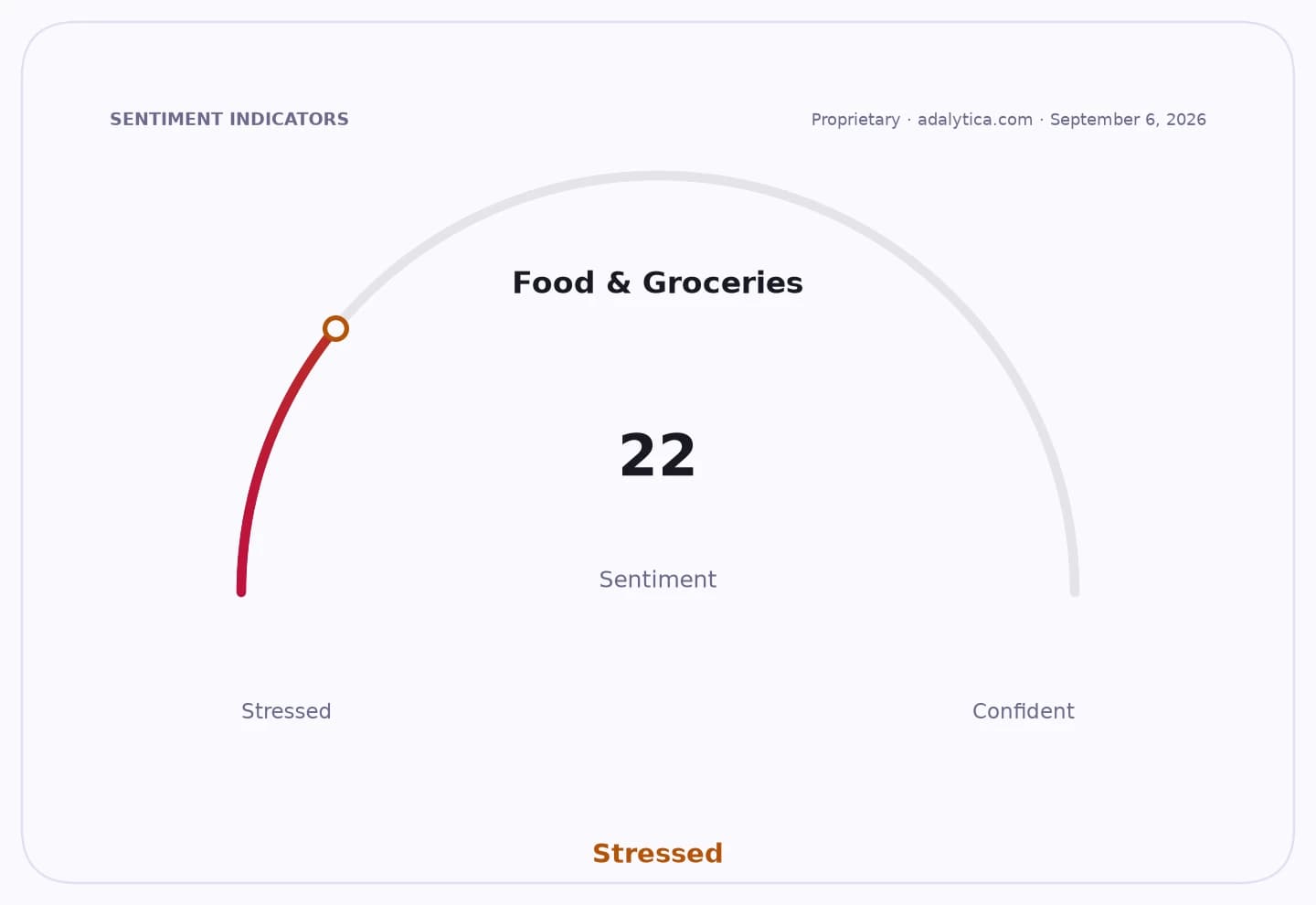
The gap matters because food inflation remains one of the clearest pressures on household budgets in both countries. In South Africa, the average household food basket tracked by the Pietermaritzburg Economic Justice and Dignity Group has stayed above R5 000, a sign that many families are still spending a large share of income just to cover staples. The regional pricing comparison shows that even when South African consumers face broad cost pressure, some basics are still cheaper than across the border.
The biggest saving in the comparison came from milk. Six litres of long-life milk costs the equivalent of about R157.37 in Botswana, while a comparable South African listing is R99.99. Rice also favoured South Africa, with a 10kg pack at Shoprite listed at R129.99 versus about R143.11 in Botswana. Maize meal, the most politically sensitive staple in much of the region, was cheaper in South Africa too, at R69.99 for 10kg against about R75.14 in Botswana.
Botswana was cheaper on flour, pasta, sugar and chicken. But those gains were not enough to offset the larger differences in milk and other staples. That matters for retailers and policymakers because consumers typically buy the most basic items first, not an equal-weight basket of all products. If the items that anchor weekly spending are more expensive, households feel the squeeze quickly even when some discretionary groceries are cheaper.
The comparison also reflects the broader inflation picture. Recent industry commentary points to higher diesel and transport costs being passed through supply chains, while supply disruptions have added pressure in items such as sugar and onions. For supermarkets, that creates a familiar problem: preserving margins without losing price-sensitive shoppers. For consumers, it means promotions and loyalty pricing have become central to shopping behaviour.
There is also a currency angle. Botswana prices were converted using P1 = R1.192619, so shifts in the exchange rate can quickly change the cross-border comparison even if local shelf prices are unchanged. That makes this type of shopping-basket analysis useful not just as a consumer guide, but as a snapshot of relative cost competitiveness in the region.
For investors, the takeaway is that food retailers with strong sourcing power, promotional depth and efficient logistics are better positioned to defend volumes as consumers trade down. The losers are households, especially in lower-income segments, where even a modest difference in staple pricing can determine whether a monthly budget lasts.
| Entity | Gains | Losses |
|---|---|---|
| South African shoppers | ▲Cheaper on key staples | ▼Still face high food inflation |
| Botswana shoppers | ▲Better pricing on flour, pasta, sugar | ▼Pay more for milk, rice and maize meal |
| Food retailers | ▲Promotional traffic and volume | ▼Margin pressure from price competition |
| Low-income households | ▲Value packs and specials | ▼Monthly grocery budgets |