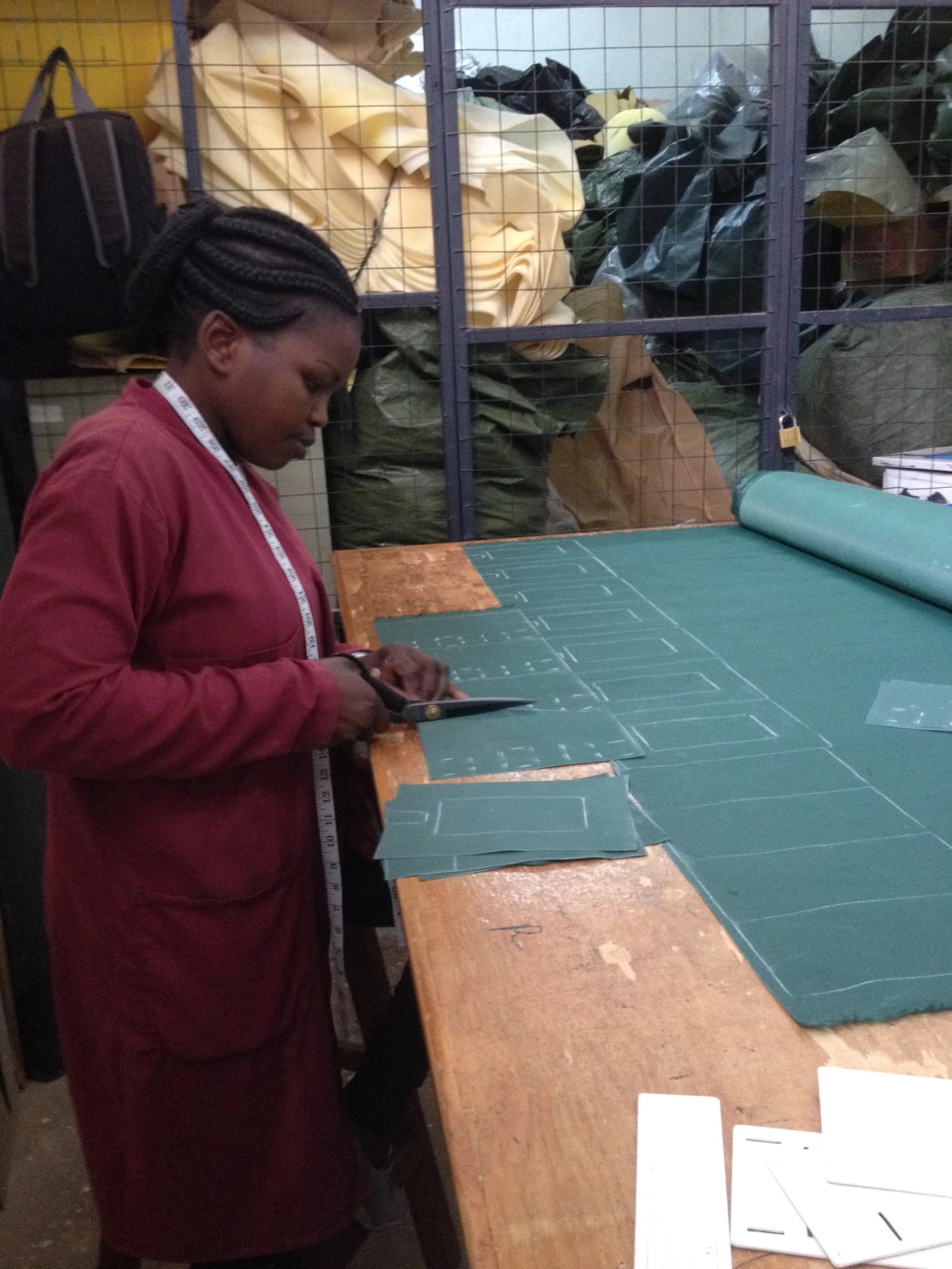
A South African woman’s claim that she made R3,500 in four days by helping job seekers with their CVs in Randburg is a small-scale story with a bigger economic message: desperation in the labour market is creating demand for ultra-low-cost service businesses.
South Africa's Job Stress Fuels Microservice Demand
The model is simple — charge around R1 a time, sit near a queue of applicants, and turn a bottleneck in the hiring process into cash flow. That kind of trade only works when unemployment is high, formal hiring is slow and applicants are willing to pay almost anything to improve their odds.
For investors, the story is less about the earnings figure than the signal it sends about consumer distress and informal economic adaptation. South Africa’s job market remains one of the weakest in emerging markets, and that leaves room for micro-entrepreneurs to exploit friction points in search, transport, printing, form-filling and document preparation.
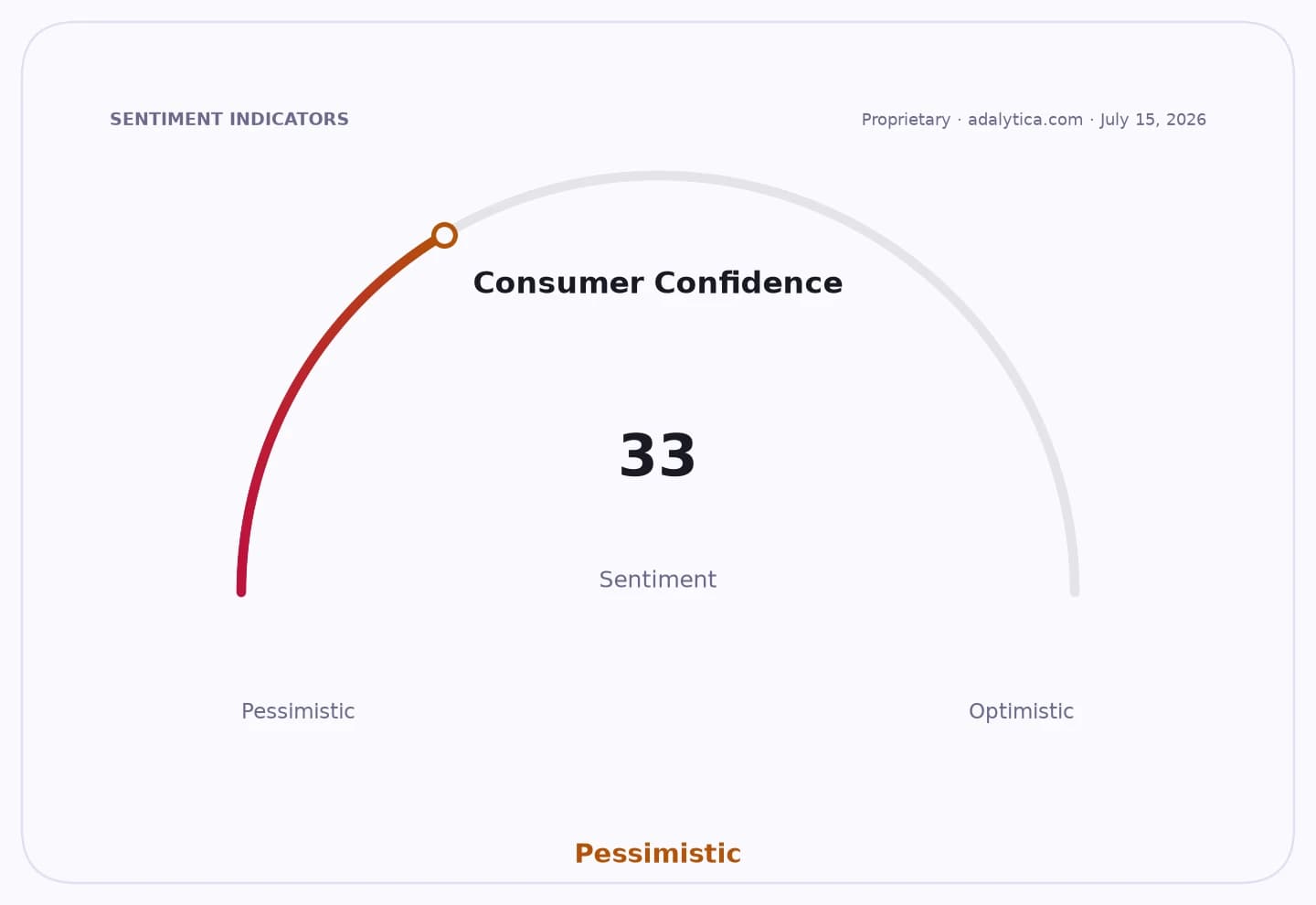
The timing also matters. Adalytica’s job market sentiment gauge sits at 96, flagged as “Extreme Greed,” while consumer confidence sentiment has slipped to 33, with “Extreme Fear” awareness. That combination points to a market where job-seekers are highly engaged but households remain under pressure, a setup that tends to favour low-ticket, necessity-based services over discretionary spending.
The CV queue trade also highlights the widening gap between formal employment and informal income generation. In an economy where many workers are chasing limited openings, even tiny convenience services can scale quickly if they solve an immediate pain point.
That makes the Randburg example a useful read-through for South Africa’s broader labour story: when hiring stalls, microbusinesses proliferate around the edges of the job hunt. The next catalyst is whether that demand proves temporary or keeps deepening as unemployment, cost-of-living pressure and weak confidence persist.
| Entity | Gains | Losses |
|---|---|---|
| CV service seller | ▲Fast cash flow | ▼Limited scale, likely low margins |
| Job seekers | ▲Faster CV help | ▼Extra cost in a tight budget |
| Informal microbusinesses | ▲Higher demand | ▼Formal service providers at the edge |
| South African households | ▲More income options | ▼More stress from weak job creation |