South Africa’s rand strengthened through R16 to the dollar on Friday, its highest level since the Iran war, as a softer US currency and firmer gold prices combined with a surprise Treasury buyback to lift emerging-market assets.
South Africa rand breaks below R16 to the dollar

The move matters because it comes at a time when South Africa is still grappling with stubborn inflation pressures and fragile growth. A stronger rand tends to lower the cost of imported fuel, food and manufactured goods, easing price pressures in an economy where households remain sensitive to exchange-rate swings. It also gives the South African Reserve Bank more room to keep policy focused on inflation rather than defending the currency.
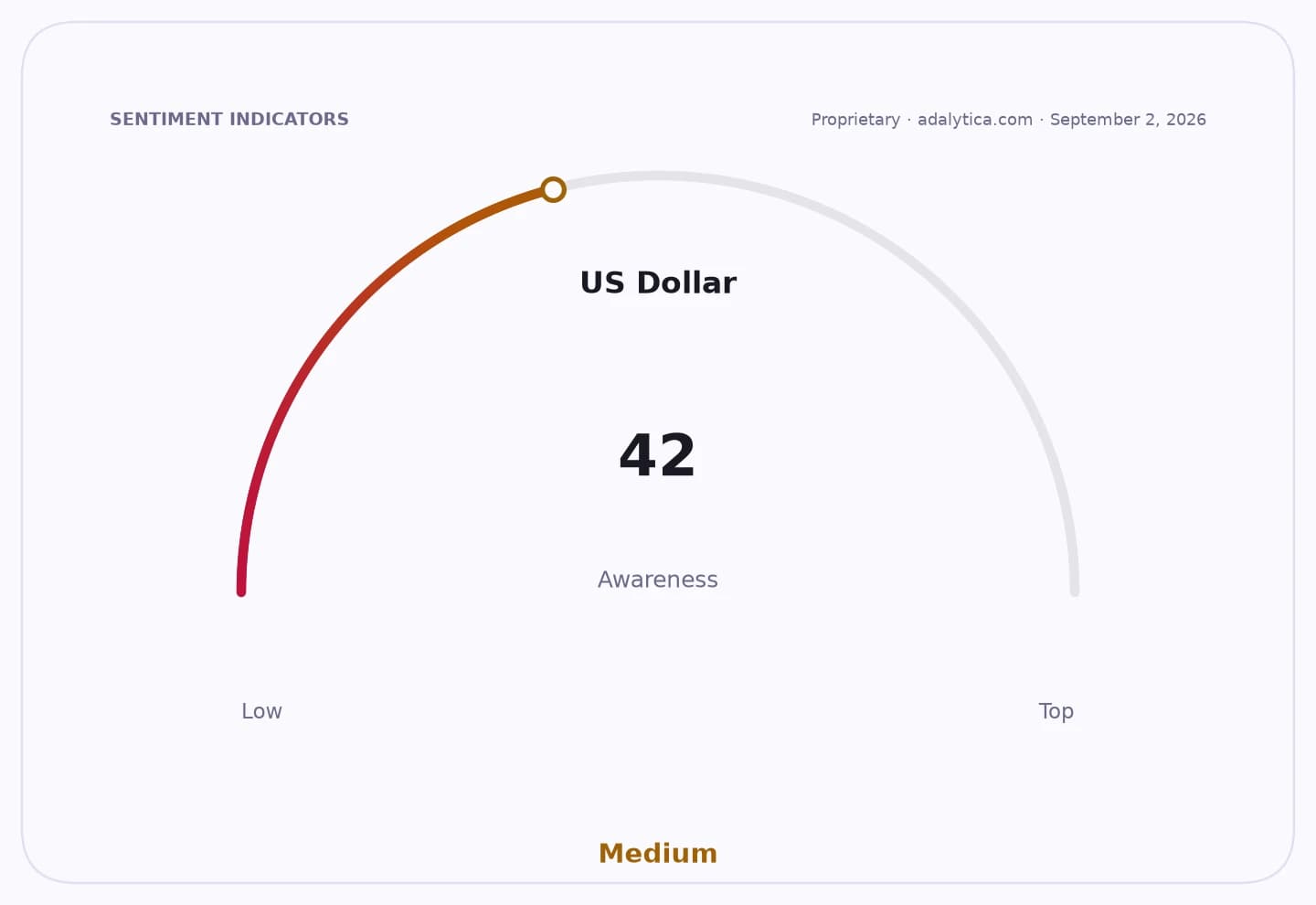
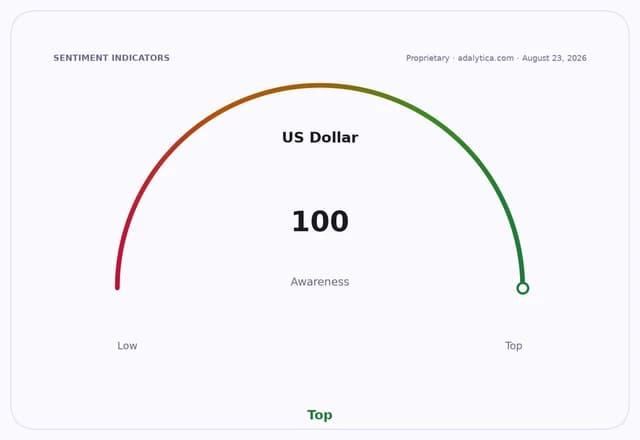
Sentiment IndicatorsⓘProprietary · adalytica.com · August 23, 2026
This is a snapshot — live sentiment, awareness and momentum for 130+ markets update continuously in the dashboard.Open AlphaPulse
The rally reflects a broader shift in global markets rather than a purely domestic story. A weaker dollar has improved risk appetite across emerging markets, while gold’s advance has supported South Africa, one of the world’s major precious-metals exporters. The Treasury bond buyback added to the move by reinforcing expectations that US financial conditions may loosen at the margin, helping reduce demand for the dollar.
For investors, the break below R16 is important because it changes the near-term backdrop for South African assets. A firmer rand can improve the outlook for inflation-linked bonds, consumer stocks and companies reliant on imports, while weighing on exporters and miners whose earnings are translated back into rand. It may also support foreign inflows into local debt and equities if the currency’s momentum holds.
The market’s next test is domestic inflation data, which will show whether the rand’s strength is feeding through into prices quickly enough to matter for policy and valuations. If inflation cools, the currency could extend its gains on expectations of a steadier policy path. If not, the rally may prove temporary, especially if global dollar sentiment turns again.
| Entity | Gains | Losses |
|---|---|---|
| South African consumers | ▲Lower import costs | ▼None |
| South African Reserve Bank | ▲Easier inflation outlook | ▼Less pressure to tighten |
| Importers and retailers | ▲Better margins | ▼None |
| Exporters and miners | ▲Weaker rand support fades | ▼Translation revenue falls |