A legal push to exempt utility workers from paying for sewage-related environmental damage would ease immediate pressure on water and sanitation operators, but it could also weaken one of the few remaining financial deterrents against chronic pollution.
South Africa sewage liability fight lifts water utility focus
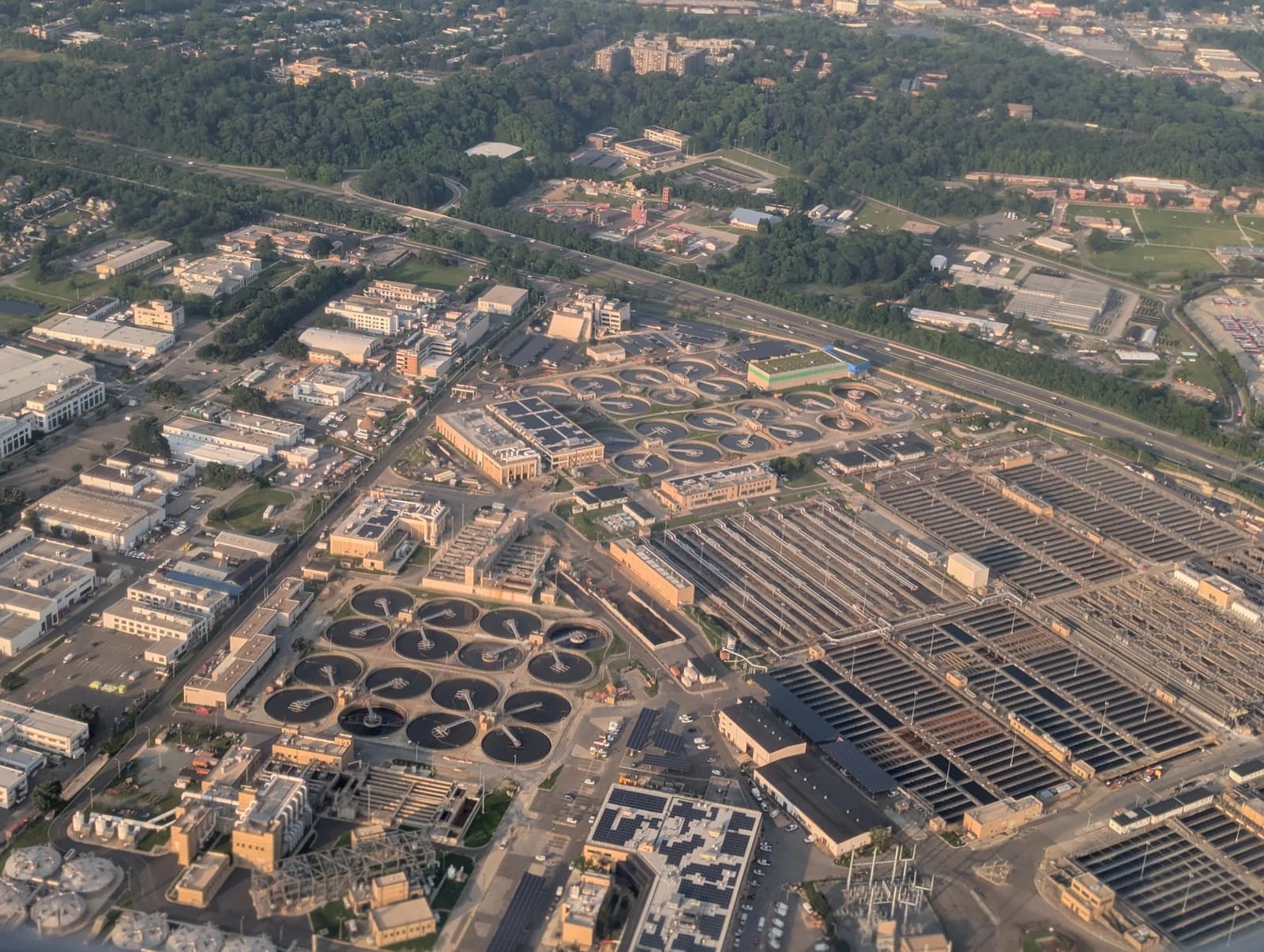
That is why the fight matters. In South Africa’s Emfuleni region, where repeated sewage spills have already triggered protests, hosepipe restrictions and public-health alarm, the argument over who pays is no longer theoretical. If courts or lawmakers narrow liability for utility staff or related entities, the cost of pollution is pushed further onto residents, municipalities and the state — and the incentive to fix broken infrastructure fast gets smaller.
Sentiment IndicatorsⓘProprietary · adalytica.com · August 9, 2026
This is a snapshot — live sentiment, awareness and momentum for 130+ markets update continuously in the dashboard.Open AlphaPulse
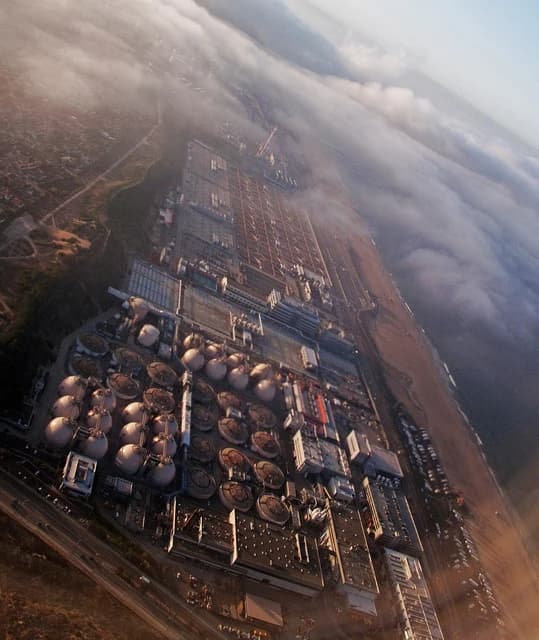
The broader economic issue is straightforward: South Africa’s sewage crisis is not just an environmental failure, it is a capital-allocation problem. Chronic leaks, spillages and underinvestment raise healthcare costs, damage local property values, disrupt commerce and erode trust in public services. Any move to soften liability can reduce short-term legal exposure for operators, but it may also lower the urgency for repairs and upgrades in a sector already burdened by aging pipes, weak collections and recurring breakdowns.
AfriForum’s legal challenge in Emfuleni underscores how politically toxic the issue has become. Residents are angry over restrictions while suffering the consequences of repeated contamination, and that creates pressure on authorities to show they are not shielding utilities from accountability. The joint venture opposed the bill because companies and operators generally want clearer, predictable liability rules rather than open-ended exposure — but they also do not want a framework that looks like a blanket amnesty for sewage damage, which could invite more litigation, reputational damage and eventual regulatory backlash if pollution persists.
For investors, the immediate read-through is on regulated utilities and infrastructure-linked names such as American Water Works, Essential Utilities and California Water Service Group. Water utilities are defensive businesses, but they are not immune to politics. Their valuation depends on regulators allowing recovery of clean-up costs, compliance spending and asset replacement through rates. Any sign that governments are softening enforcement while communities escalate legal action creates a more complex operating environment: lower near-term liability, but higher long-term uncertainty around rate cases, remediation spending and capital expenditure.
The stocks have already been sending mixed signals. American Water Works has recovered to about $135 after dipping below $123 earlier in the year, while Essential Utilities has rebounded above $40 from summer weakness and California Water Service has climbed back near $87. That resilience suggests investors still see regulated water as a toll-road business with steady cash flow. But the legal and political fight over sewage damage is a reminder that the sector’s earnings power ultimately rests on public trust, regulatory support and the willingness to spend billions on infrastructure before crises become scandals.
The market underestimates how powerful that next phase could be. If governments respond to the sewage backlash with stricter enforcement, faster utility investment and more explicit cost recovery, the winners are the operators that can execute on pipes, treatment and compliance. If, instead, liability is watered down without a credible repair plan, the eventual bill simply grows larger — and so does the risk premium.
For long-term investors, the thesis is clear: own the water utilities with the balance sheets, regulatory relationships and capital programs to turn crisis into recoverable spending. The sector’s next breakout will come not from avoiding environmental costs, but from monetizing the infrastructure needed to fix them.
| Entity | Gains | Losses |
|---|---|---|
| Water utilities | ▲Lower near-term liability | ▼Weaker pollution deterrence |
| Residents in Emfuleni | ▲None | ▼Continued sewage exposure |
| Regulators/government | ▲Short-term political relief | ▼Higher long-term cleanup burden |
| AWK, WTRG, AWR | ▲Potential rate-base growth | ▼Legal and reputational risk |