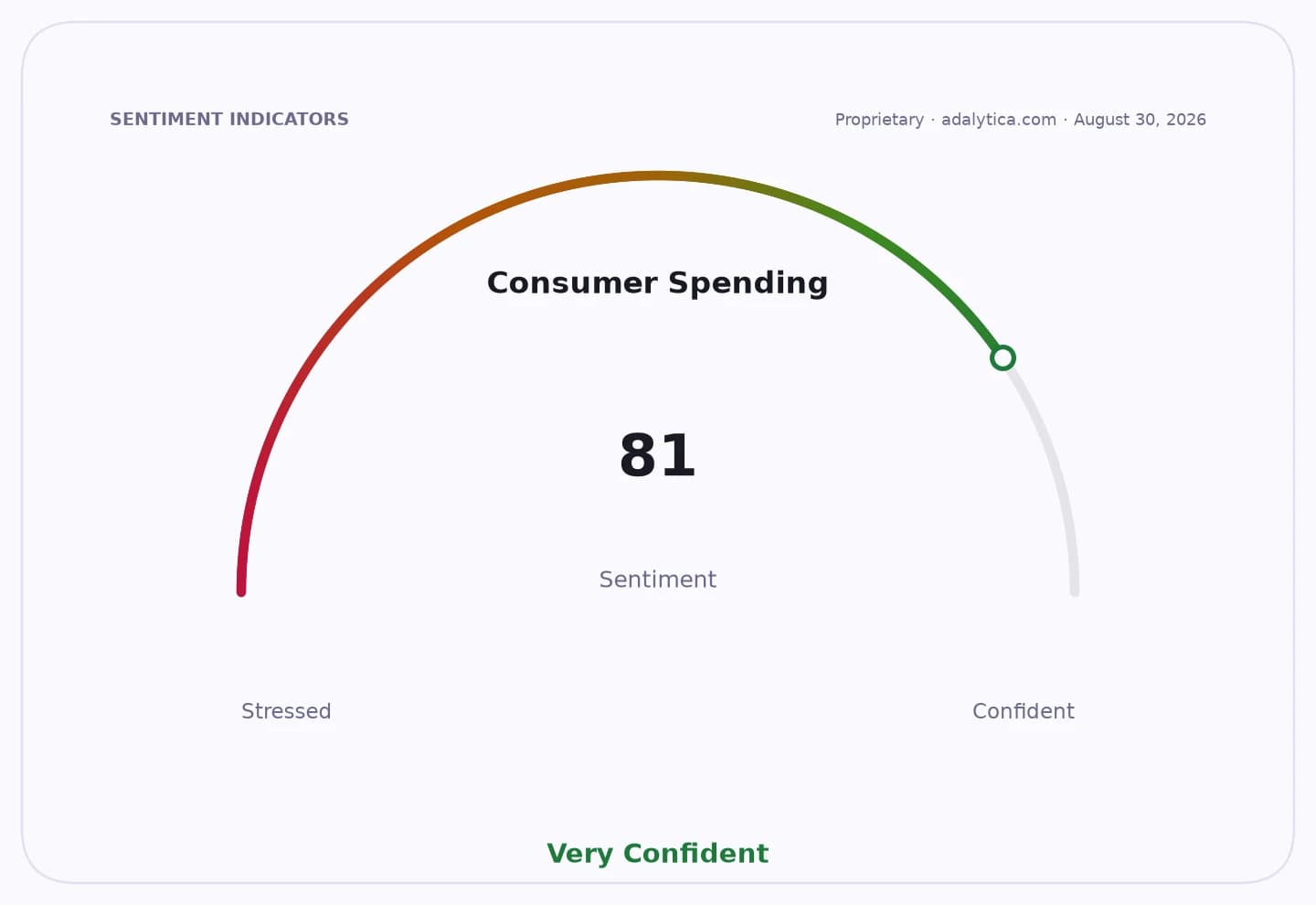
Retail sales of vehicles in South Africa rose 17.51% in August, a record-breaking surge that points to resilient household demand, healthier commercial activity and a market still willing to spend despite weak confidence readings elsewhere.
South Africa vehicle sales rise 17.5% in August
That matters because vehicles are a high-ticket purchase tied closely to credit conditions, job security and expectations for the economy. When retail auto sales accelerate this sharply, it usually means consumers and businesses are finding enough room in their budgets to commit to big purchases, even as broader sentiment remains fragile. For South Africa, that is a useful counterweight to the dark mood captured in consumer confidence gauges and a sign that the real economy is proving more durable than the headlines suggest.
Sentiment IndicatorsⓘProprietary · adalytica.com · September 8, 2026
This is a snapshot — live sentiment, awareness and momentum for 130+ markets update continuously in the dashboard.Open AlphaPulse
The gain was not just a statistical blip. Total new-vehicle sales rose 11.4% in the month, while average daily retail sales climbed 3.4%, reinforcing the idea that demand broadened across passenger and commercial segments. The Toyota Hilux remained the country’s best-selling vehicle, a reminder that utility and reliability still dominate in a market where buyers are selective about value.
For investors, the message is straightforward: the auto channel is one of the clearest near-term beneficiaries of any sustained improvement in South African activity. Dealers, financiers and parts suppliers all stand to gain from a stronger sales cycle, while manufacturers with exposure to popular light trucks and affordable passenger models should see volume leverage. The move also supports companies with financing arms, where higher unit sales can translate into improved loan origination and aftermarket revenue.
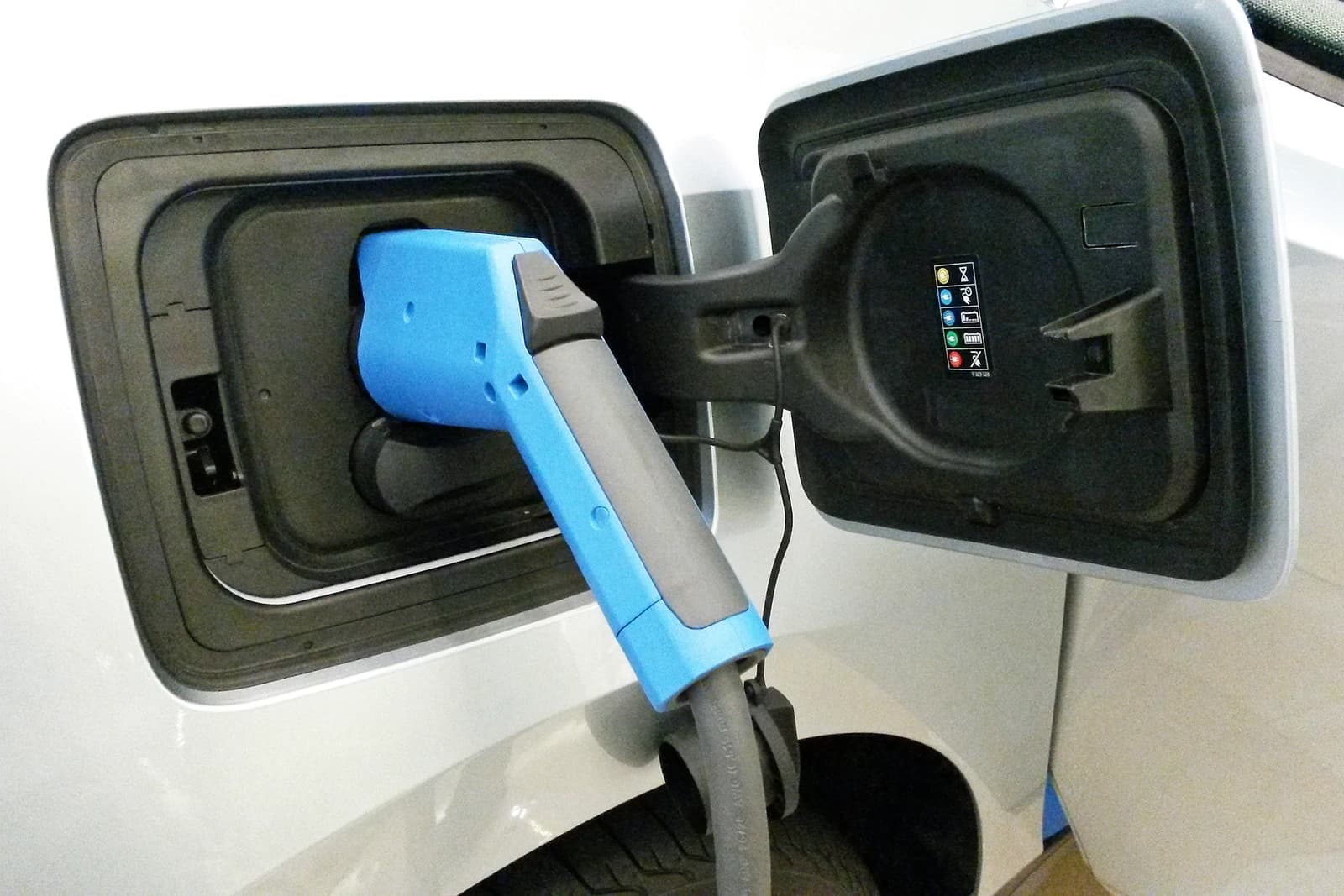
The more interesting second-order trend is the rise of electrified vehicles, which are approaching a 30% market share after the rollout of the Auto+ Plan. That is a meaningful inflection point for a market that had been slow to electrify, and it creates a new growth lane for charging, battery, logistics and distribution businesses tied to the transition. In other words, this is no longer just a cyclical auto rebound; it is starting to look like a structural shift in the mix of vehicles being sold.
The broader narrative is that South African consumers are still cautious, but not frozen. If vehicle demand can keep expanding at this pace, it would support retail activity, improve dealer inventories and give policymakers a little more confidence that household spending is stabilizing. The market should treat August’s numbers as an early signal that the auto sector may be one of the cleaner ways to play a recovery in domestic demand.
| Entity | Gains | Losses |
|---|---|---|
| Auto dealers | ▲Higher showroom traffic | ▼Weak prior inventory turnover |
| Vehicle financiers | ▲More loan origination | ▼Consumers with tighter credit |
| Toyota Hilux and utility models | ▲Best-seller status | ▼Smaller, weaker-name rivals |
| EV and charging ecosystem | ▲Rising market share | ▼Late-transition incumbents |