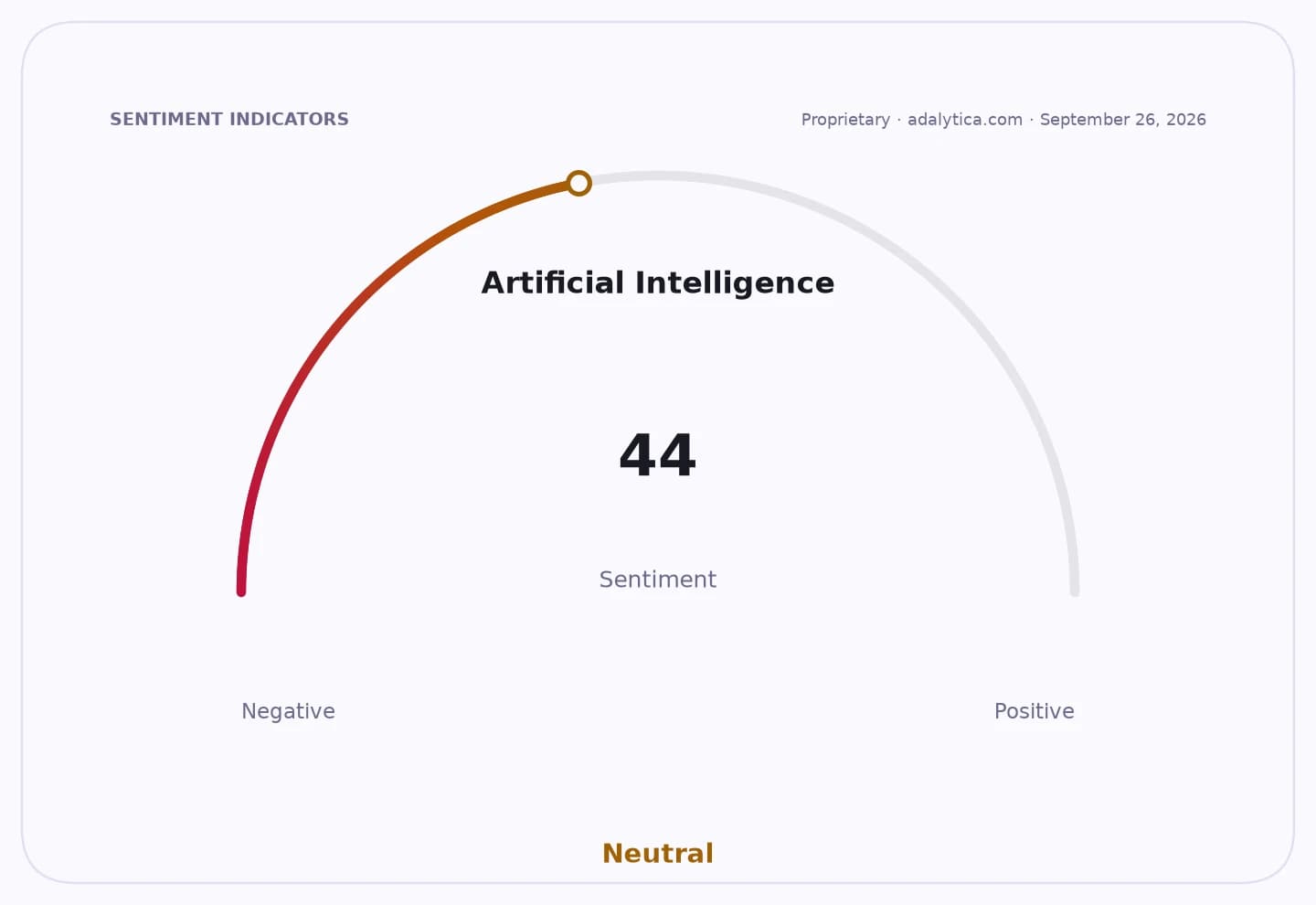
The South African rand held near 16.52 to the dollar on Thursday, pausing after a run of modest gains as investors waited for trade balance data that could test whether the currency’s recent stabilization has support from the external accounts.
South African rand holds near 16.52 before trade data
That matters because the rand remains highly sensitive to South Africa’s terms of trade, capital flows and risk appetite. When the balance of trade improves, it can ease pressure on the currency by signalling healthier export receipts and less need for foreign funding. If the data disappoints, it would reinforce the view that the rand’s latest firmer tone is being driven more by short-covering and broad dollar moves than by a durable improvement in South Africa’s fundamentals.
The currency has traded in a relatively tight range around the mid-16s in recent sessions, with the latest close just above its 50-day moving average of 16.41 and still below its 200-day average of 16.57. That leaves it technically improved from earlier this year, but not decisively out of the woods. The relative strength index at 55.5 points to a neutral-to-firm bias rather than an overextended rally, while the MACD remains mildly positive, suggesting momentum has stabilised rather than accelerated.
For investors, the key question is whether the trade balance can confirm that the rand’s resilience is backed by a better flow picture. South Africa is still exposed to swings in commodity prices, global growth expectations and U.S. interest-rate expectations, all of which influence appetite for higher-yielding emerging-market currencies. A stronger-than-expected trade print would support the case for continued rand stability and could encourage carry-trade inflows. A weaker reading would likely bring back pressure quickly, particularly if global markets turn defensive.
The timing also matters. The rand has been whipsawed by shifts in commodity and rate expectations, and the lack of a clear directional catalyst has left it vulnerable to sharp but temporary moves. In that environment, trade data can become a near-term anchor for pricing, especially if it confirms that export earnings are helping offset structural weaknesses in the domestic economy.
For now, the currency’s stabilization suggests the market is waiting for evidence rather than making a fresh bet. The next move in the rand will depend on whether the trade balance reinforces a story of external support or exposes how fragile the recent calm still is.
| Entity | Gains | Losses |
|---|---|---|
| South African exporters | ▲Better rand support | ▼None |
| Importers in South Africa | ▲Lower imported-cost pressure | ▼Less relief if rand weakens |
| Rand bulls | ▲Confirmation from trade data | ▼If deficit widens |
| Rand bears | ▲Volatility if data disappoints | ▼If external accounts improve |