South Carolina lawmakers are weighing whether to suspend or repeal the state’s 28-cent gas tax just as pump prices surge above $4 a gallon, forcing a choice between immediate consumer relief and the loss of bond-backed road funding.
South Carolina Lawmakers Weigh Gas Tax Suspension
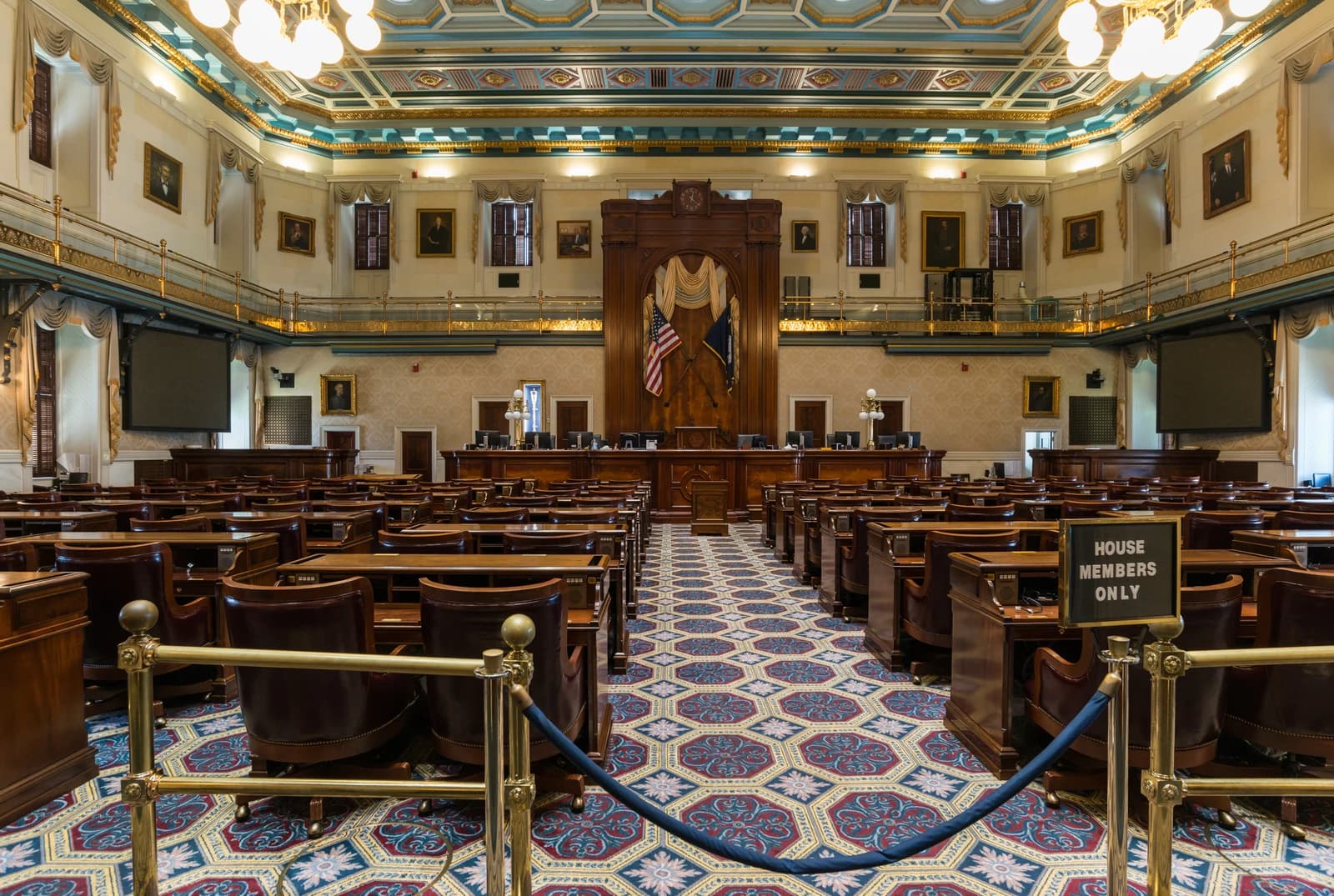
The debate matters because it sits at the intersection of inflation, household budgets and infrastructure finance. When gasoline jumps quickly, it acts like a tax on commuting, freight and retail spending, especially in a state where businesses and workers depend heavily on driving. Charleston County’s average regular gasoline price rose to $4.08 overnight, according to AAA, while the statewide average also moved above $4 even as the national average rose by only a penny.
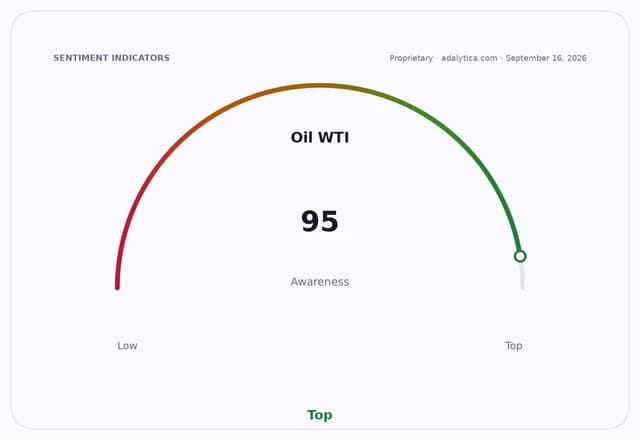
Sentiment IndicatorsⓘProprietary · adalytica.com · September 16, 2026
This is a snapshot — live sentiment, awareness and momentum for 130+ markets update continuously in the dashboard.Open AlphaPulse
The economic pressure is not just political theater. Higher fuel costs filter through to transport-intensive industries, lift delivery and logistics expenses, and squeeze discretionary spending elsewhere. That is why some Republicans are floating a full repeal, arguing it would lower operating costs and improve South Carolina’s competitiveness at a time when companies are already sensitive to energy and wage inflation. Others say the state cannot simply switch off a tax that supports bonded highway projects without jeopardizing its obligations to lenders and delaying road work.
Governor Henry McMaster has underscored that constraint, saying the state has to keep building roads after years of heavy investment. State Rep. Jordan Pace said suspending the tax would amount to breaching a contract with bondholders, a reminder that fuel-tax revenue is not a free policy lever but a pledged financing stream. That makes a broad suspension harder than it sounds, even if it is politically attractive when prices spike.
DCOILWTICO vs CPIAUCSL — macro contextadalytica.com
Explore this data interactively — full history, time series and cross-market comparisons.Open AlphaPulse
The state is also considering other forms of relief, including rebates for drivers and targeted help for fuel-heavy businesses. That approach would reduce the immediate burden without breaking the revenue stream tied to infrastructure debt, but it also delays relief and risks missing households facing the sharpest near-term strain.
The timing is sensitive for energy markets as well. Oil prices have been elevated, and U.S. fuel-market indicators show recent volatility, leaving policymakers with little confidence that pump prices will normalize quickly. That keeps the pressure on lawmakers to act, but it also raises the risk that any rushed tax move could prove temporary while the fiscal costs are lasting.
For investors, the key issue is whether South Carolina chooses a revenue-neutral rebate or a more aggressive tax cut that could alter transportation funding, consumer spending patterns and local fuel demand. Refiners and fuel retailers are unlikely to see a major structural change from a state-level move alone, but households, trucking firms and infrastructure-linked issuers would. The next catalyst is whether lawmakers converge on temporary rebates or move toward a broader suspension that would test the state’s bond framework.
| Entity | Gains | Losses |
|---|---|---|
| South Carolina drivers | ▲Lower pump costs | ▼Less road-funding certainty |
| Fuel-heavy businesses | ▲Lower operating expenses | ▼Higher policy uncertainty |
| State bondholders | ▲Stable pledged revenues | ▼Risk from tax suspension talk |
| Road contractors/infrastructure projects | ▲Continued funding if tax stays | ▼Delay if revenues are cut |