South Korea’s finance ministry said it will deploy “preemptive stabilization measures” to curb financial-market volatility, a signal that policymakers are increasingly worried about disorderly moves in the won and domestic assets as global dollar strength and higher U.S. yields keep pressure on Asia’s third-largest economy.
South Korea Plans Preemptive Market Stabilization

The warning matters because it suggests Seoul is not waiting for a full-blown selloff before acting. For a trade-dependent economy with heavy foreign participation in equities and bonds, even a short burst of volatility can tighten financial conditions, lift import costs and unsettle investor confidence. The won has weakened to around 1,336 per dollar, while the 10-year U.S. Treasury yield has been hovering near 4.8%, leaving Korean assets exposed to a wider U.S.-Korea rate gap and a stronger greenback.
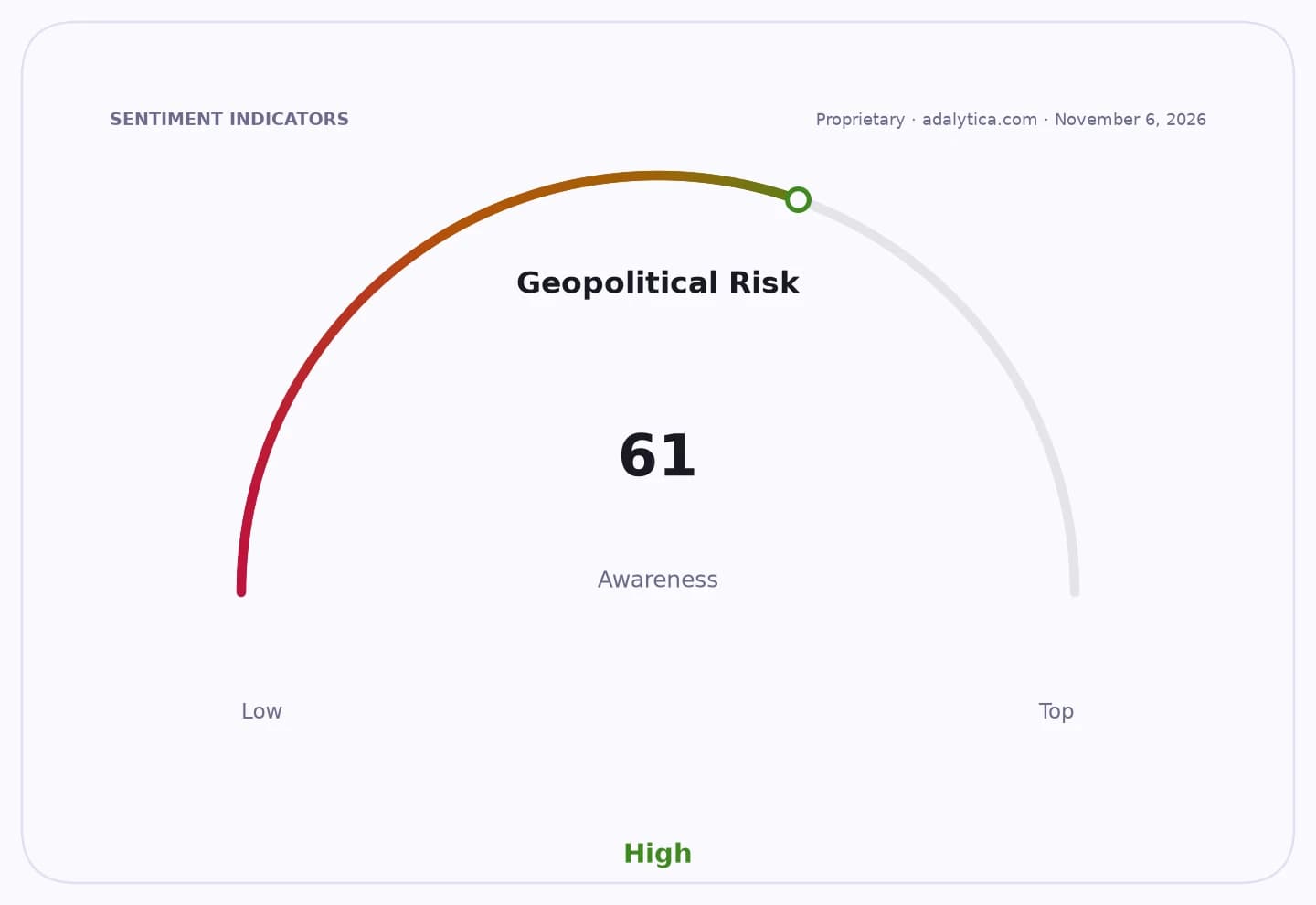
Sentiment Indicators

That backdrop helps explain why the government is emphasizing preemption rather than reaction. The won has rebounded from a recent low near 1,325.5, but it remains far below levels seen earlier in the year, and the recovery has not yet restored calm. Technical signals also show the currency is still trading well beneath its 200-day moving average, a sign the broader trend remains weak even after the latest bounce. For exporters, that helps cushion overseas earnings in won terms; for importers and households, it raises the cost of energy, food and other dollar-priced goods.
The market implications extend beyond foreign exchange. South Korean equities, tracked by the EWY ETF, have been under heavy pressure, with the fund falling to about 139 from above 180 in September and still trading below its 50-day and 200-day moving averages. That points to persistent caution toward Korean risk assets, even after brief rallies. Investors will read any intervention or policy guidance as a test of how far Seoul is willing to go to slow capital outflows and steady sentiment without undermining its broader policy stance.
The bigger narrative is that Korea is being forced to manage imported volatility from abroad rather than domestic overheating. With U.S. yields elevated, the dollar in “extreme greed” territory on Adalytica’s trade signals, and global risk appetite uneven, Korean authorities are trying to reassure markets that they will not allow exchange-rate weakness to become self-reinforcing. The key question now is whether verbal intervention is enough, or whether officials will need to back their warnings with concrete measures in FX markets, bond auctions or liquidity support.
| Entity | Gains | Losses |
|---|---|---|
| Korean exporters | ▲More won value from overseas sales | ▼Imported input costs rise |
| Korean importers/consumers | ▲— | ▼Higher costs for fuel, goods |
| South Korean policymakers | ▲Chance to calm markets | ▼Pressure if volatility persists |
| Foreign investors in Korea | ▲Potential policy backstop | ▼FX losses, weaker risk appetite |