South Korea’s MERS outbreak is turning into an economic problem, not just a public-health crisis, as cancelled trips and weaker shopping are already hitting domestic demand hard enough to force the government to slash its growth forecast.
South Korea MERS outbreak hits consumption, growth forecast
That matters because South Korea relies on households and tourists to keep consumption moving when exports are uneven. When people stay home, department stores, restaurants and hotels lose sales quickly, and the pain can spread through the wider economy in a matter of weeks. The finance ministry now expects growth of 3.1% this year, down from 3.8%, after saying the virus has done more damage than last year’s ferry disaster.
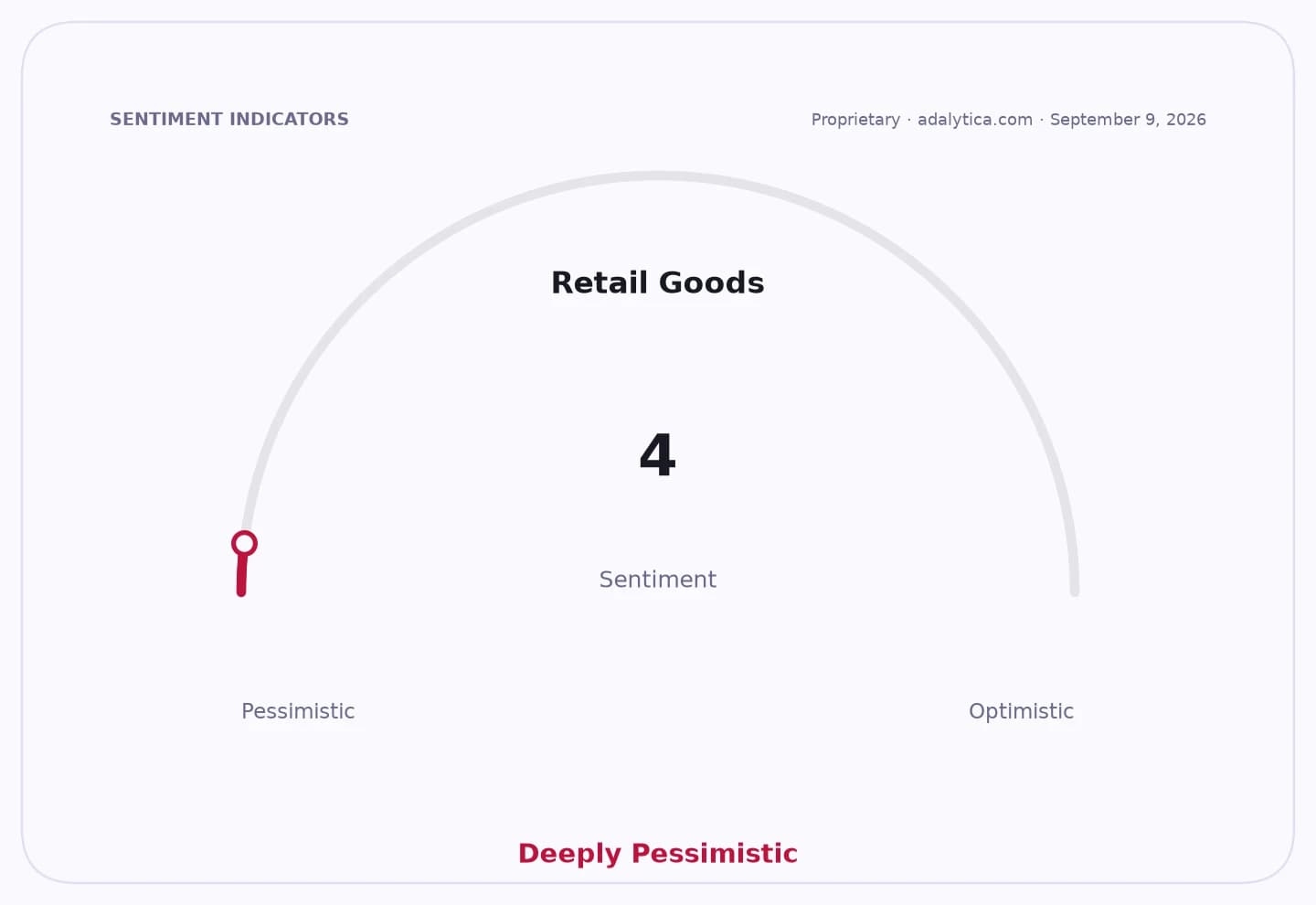
Sentiment IndicatorsⓘProprietary · adalytica.com · September 9, 2026
This is a snapshot — live sentiment, awareness and momentum for 130+ markets update continuously in the dashboard.Open AlphaPulse
The numbers show how fast sentiment can break. More than 120,000 tourists have cancelled trips, while department store sales fell almost 30% in the first two weeks of the outbreak compared with the previous two weeks. The toll has climbed to 29 deaths from 180 confirmed cases, and officials are signaling that the hit could linger even after the outbreak is contained if consumers remain cautious.
For investors, the immediate read-through is negative for Korean retailers, travel operators and leisure businesses, but potentially supportive for policymakers. Seoul is preparing a stimulus package of more than 15 trillion won to keep growth above 3%, and the central bank has already cut rates to a record low 1.5%. That combination usually helps steady cyclical assets over time, but it also underscores how fragile the recovery is.
The broader lesson is that epidemics can move markets through everyday spending before they show up in headline GDP. If tourism does not rebound quickly, the government may have to do more, and earnings expectations for consumer-facing companies may need another reset. For long-term investors, this is the kind of shock that can punish near-term results while creating selective opportunities in resilient franchises with strong balance sheets. Worth watching, but patience will matter.
| Entity | Gains | Losses |
|---|---|---|
| South Korea policymakers | ▲More room for stimulus | ▼Higher fiscal pressure |
| Retailers and malls | ▲Potential support later | ▼Immediate sales slump |
| Tourism and hotels | ▲Possible rebound after containment | ▼Mass cancellations now |
| Long-term investors | ▲Selective entry points | ▼Near-term earnings risk |