South Korea’s ruling Democratic Party has introduced a bill to create ultra-metropolitan special zones aimed at steering investment to regional areas, but the proposal’s most consequential fight is over whether companies inside those zones should get exemptions from the country’s 52-hour workweek cap.
South Korea bill weighs 52-hour workweek exemption
That labor carveout has become the central obstacle to a policy package designed to ease the capital city’s dominance and revive weaker local economies. The bill is meant to bundle tax cuts, land support and faster approvals into a single incentive regime for firms willing to move production and research outside the Seoul area, yet lawmakers have split the proposal into two versions — one with the overtime exemption and one without — after labor and business failed to narrow their differences.
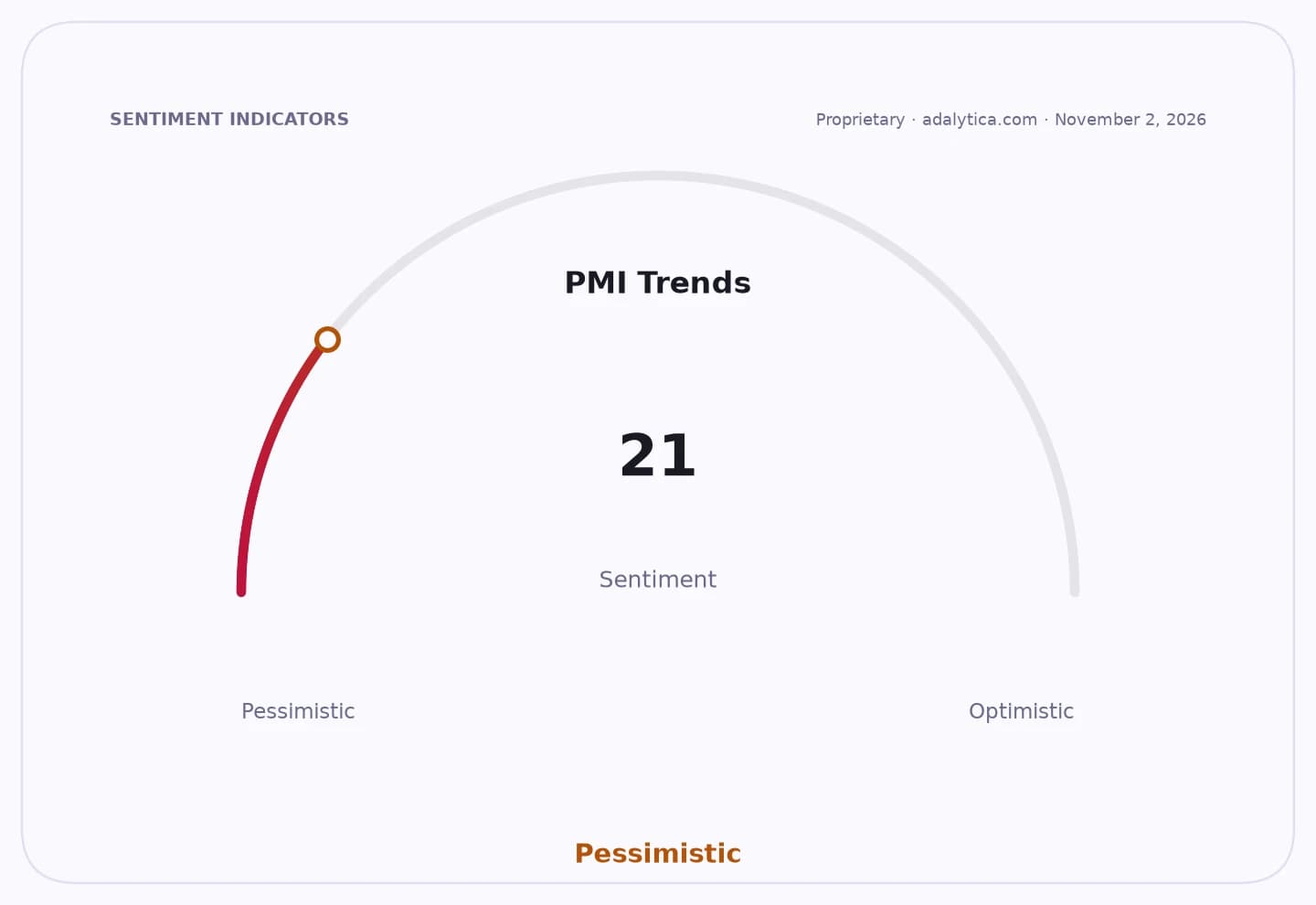
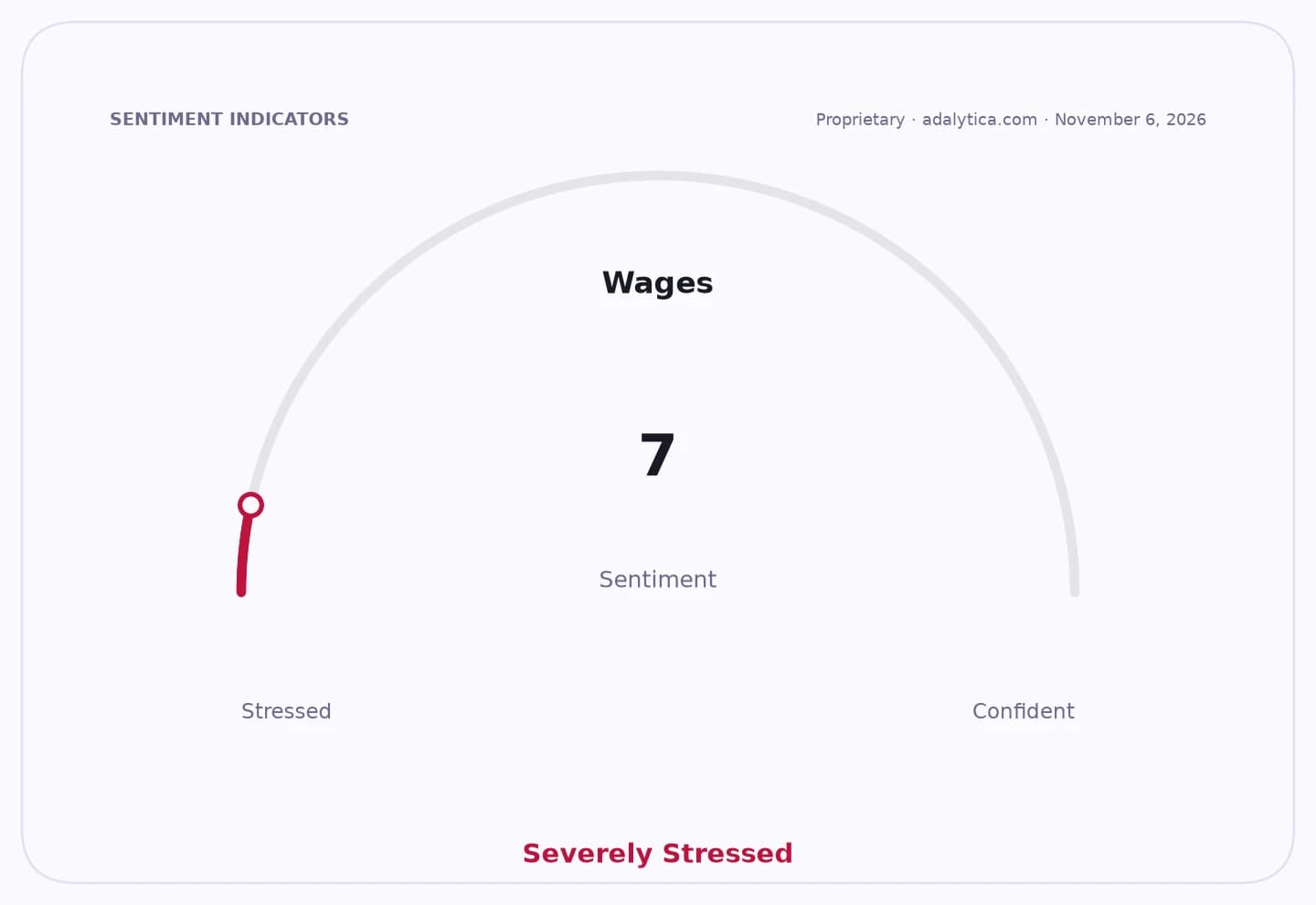
Sentiment Indicators
The economic stakes are larger than a regional development bill. South Korea has spent years trying to rebalance growth away from the Seoul metropolitan area, where business, talent and infrastructure remain concentrated. The ultra-metropolitan zones are meant to lower the cost and uncertainty of building plants and research hubs in the provinces, but for advanced industries, access to skilled labor and flexibility around project deadlines may matter as much as tax breaks.
Business groups argue that cutting-edge manufacturing and R&D require periods of intense work when teams must push through product development or fix defects on tight timelines. They say the current labor law allows some concentrated work, but not enough to match the pace of global tech competition, and that the promise of more flexible hours could help lure investment to the regions.
Labor unions see the same proposal as a direct threat to worker protections. They warn that relaxing the cap would normalize long hours in research and development and weaken a common rule meant to protect health and safety, while also opening the door to broader labor exceptions tied to investment incentives. Unions are also opposing a separate plan to extend fixed-term employment use from two years to as long as four.
For investors, the bill matters because it could reshape where new industrial capacity is built and how freely companies can deploy specialized labor in South Korea. A version of the law that includes the overtime exemption would likely be more attractive to technology, engineering and advanced manufacturing firms considering regional projects, while a stripped-down version could reduce the zone’s appeal and limit the policy’s impact on domestic investment.
The Democratic Party has chosen to submit both versions and merge them later through committee review, signaling that the final shape of the law will be decided after more political and social bargaining. Party floor leader Han Byung-do has stopped short of setting a timetable, saying the issue needs more deliberation and public discussion.
That leaves the bill’s next stage as a referendum on whether South Korea is willing to trade some labor rigidity for regional growth. The answer will determine whether the special zones become a genuine investment tool or another diluted regional policy that fails to move companies out of the capital.
| Entity | Gains | Losses |
|---|---|---|
| Regional governments outside Seoul | ▲More investment interest | ▼Continued capital concentration |
| Advanced manufacturers and R&D firms | ▲More labor flexibility, tax support | ▼Less flexibility if exemption is removed |
| Labor unions and workers | ▲Stronger work-hour protections | ▼Risk of longer hours and weaker safeguards |
| Democratic Party lawmakers | ▲Policy leverage on regional growth | ▼Political risk from labor split |