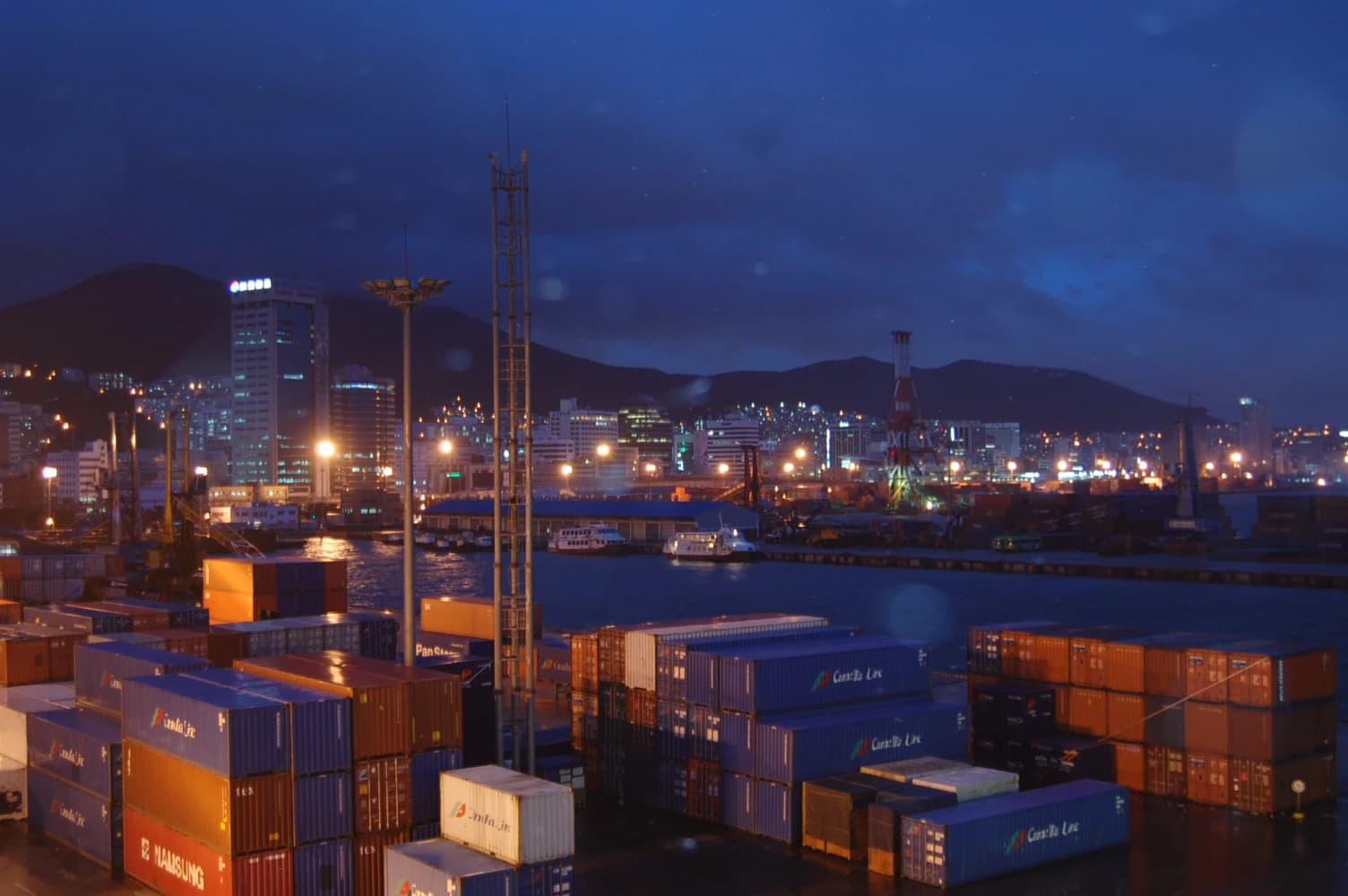
South Korea’s manufacturing momentum weakened in October, with the latest purchasing managers’ index pointing to an eight-month low and reinforcing signs that the export-heavy economy is losing pace after a stronger midyear run.
South Korea PMI Hits Eight-Month Low
PMI Trends
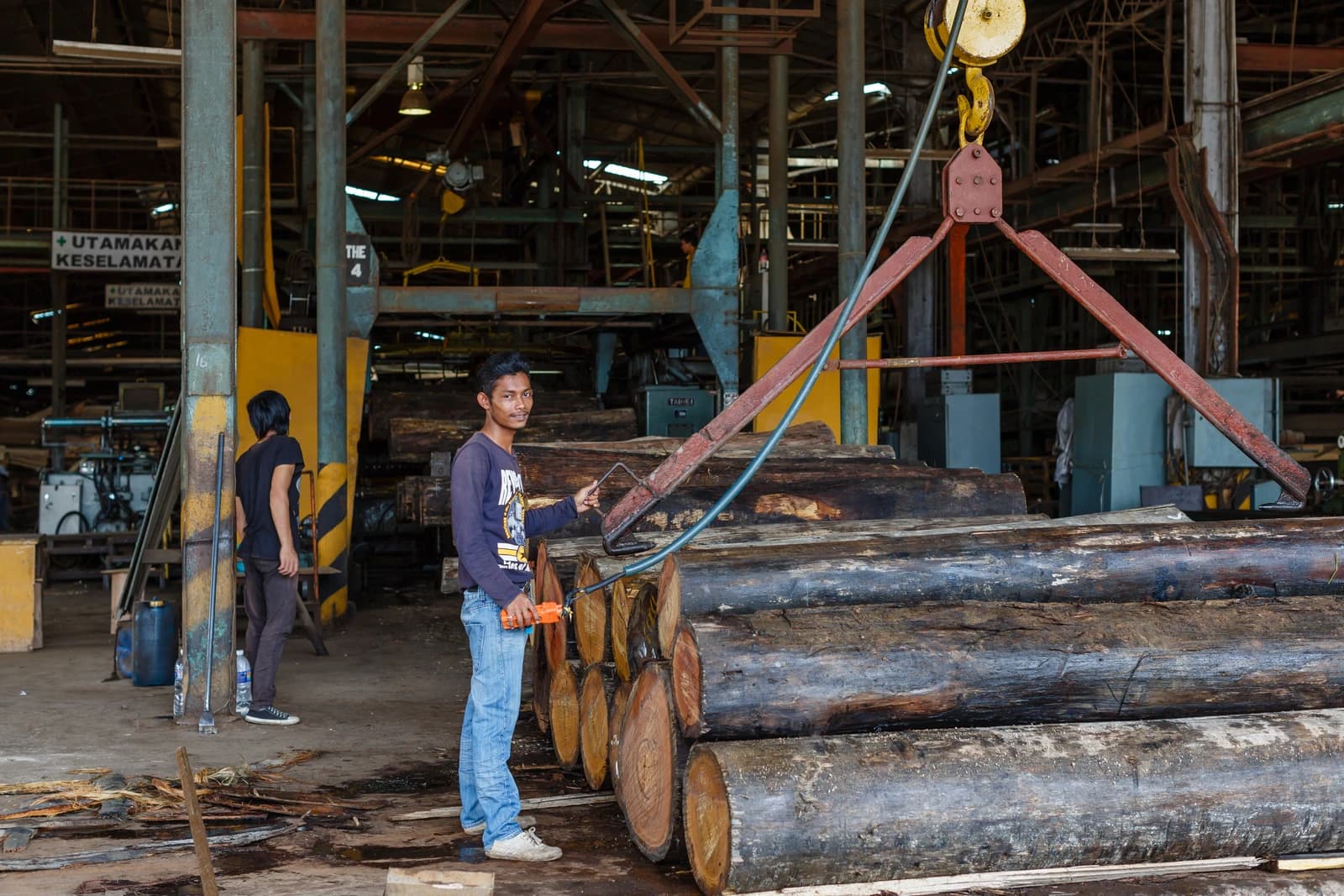
That matters because factory activity is one of the clearest near-term gauges of South Korea’s growth, given the country’s reliance on semiconductors, electronics and other manufactured exports. A softer PMI does not mean recession, but it does suggest that industrial production and corporate earnings may be facing a less supportive demand backdrop just as global trade and tech cycles remain uneven.
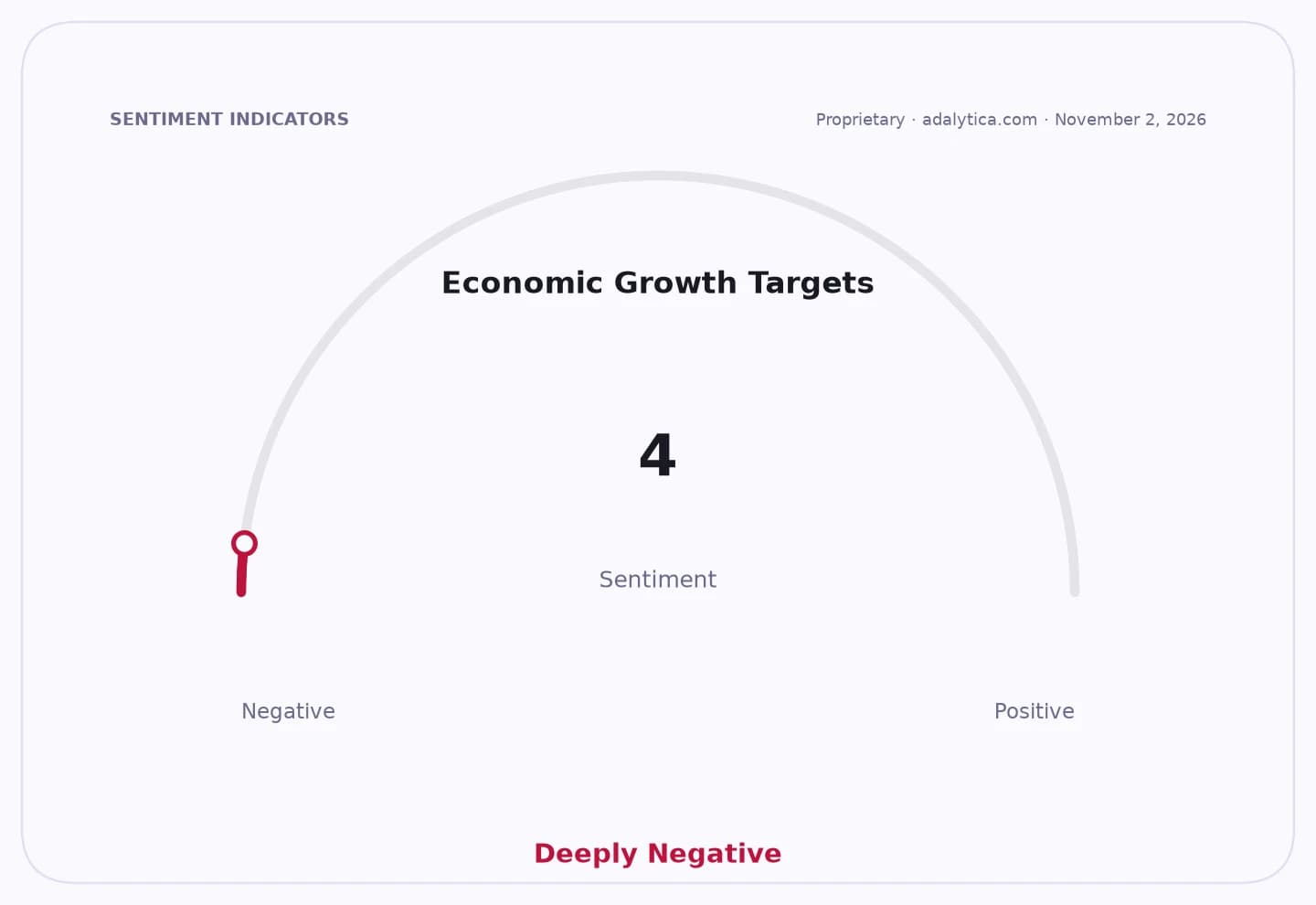
Sentiment Indicators
The slowdown comes after South Korea’s industrial production had shown only modest month-to-month gains in recent readings, underscoring how fragile the recovery remains. Even when output is expanding, the pace has been uneven, leaving policymakers and investors watching for whether domestic demand can compensate for softer factory orders abroad.
For markets, the reading is a reminder that the rally in Korean assets can be vulnerable to any disappointment in the export cycle. The iShares MSCI South Korea ETF, EWY, has already retreated sharply from its highs, with recent technical readings showing the fund trading below its 50-day moving average and its relative strength index slipping into weak territory before a partial rebound. The Korean won has also been under pressure, hovering near the lower end of its recent range against the dollar, a sign that investors are still cautious on the growth outlook.
The broader implication is that South Korea remains caught between cyclical support from technology demand and cyclical drag from slower global manufacturing. If the PMI weakness persists, it could argue for more policy support, whether through easier financial conditions or measures to cushion exporters and capital spending. For investors, the key question is whether this is a temporary pause in the industrial upturn or the start of a more durable slowdown in one of Asia’s most trade-sensitive economies.
The next catalyst will be whether incoming export, production and order data confirm that the PMI weakness is filtering into real activity. A sustained deterioration would likely weigh on Korean equities and the won, while a rebound would revive the case that the recent slowdown was only a brief interruption in the manufacturing cycle.
| Entity | Gains | Losses |
|---|---|---|
| Importers of Korean goods | ▲Lower input prices | ▼Korean exporters |
| Korean policymakers | ▲More room for support measures | ▼Growth credibility |
| Defensive investors | ▲Safe-haven positioning | ▼Cyclical longs |
| EWY bulls | ▲Potential oversold rebound | ▼Momentum traders |