Southern California’s labor market has pushed through the 10-million-worker mark, giving the region a rare broad-based upswing that matters for consumer spending, housing demand and local tax receipts.
Southern California Jobs Top 10 Million in October
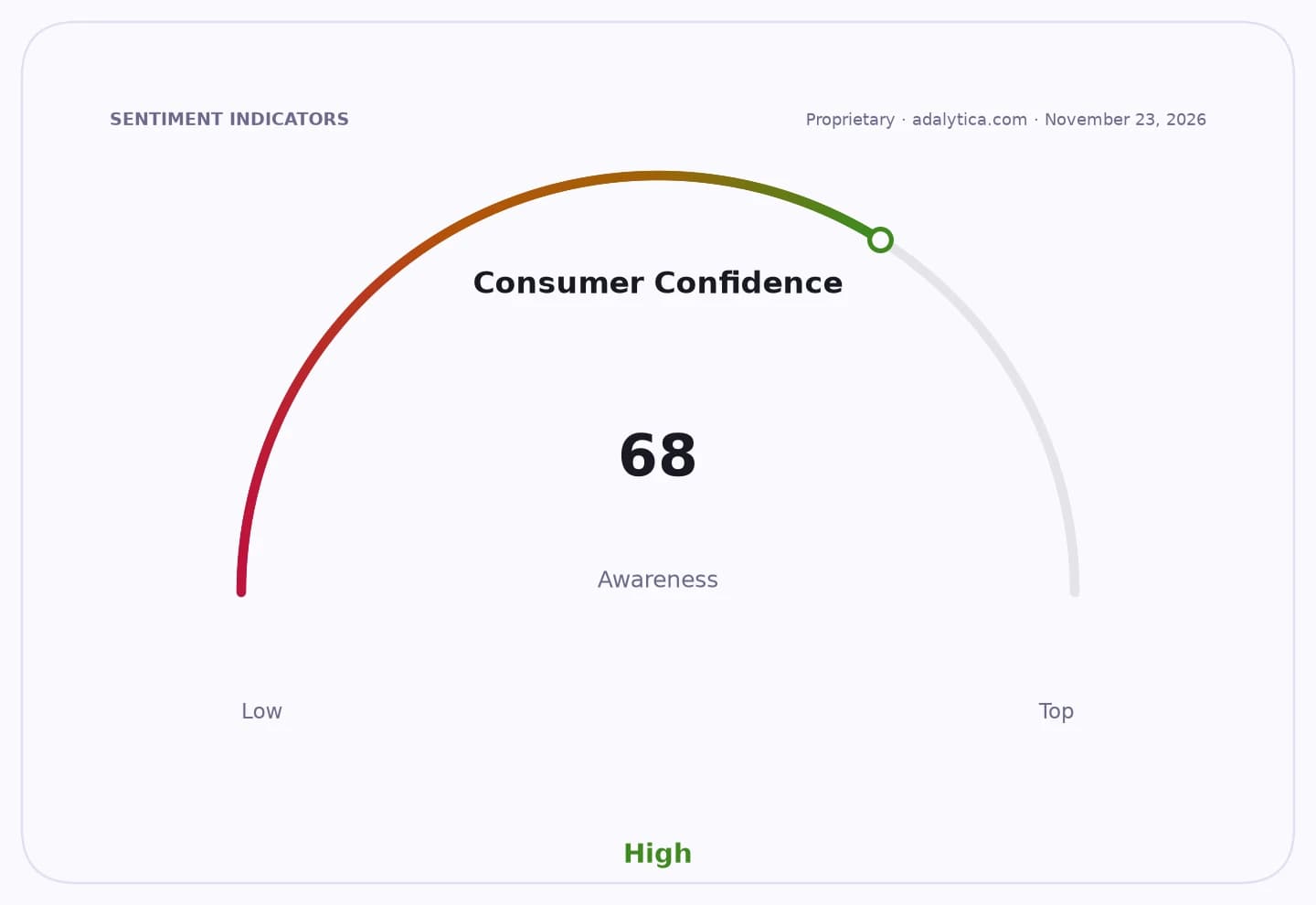
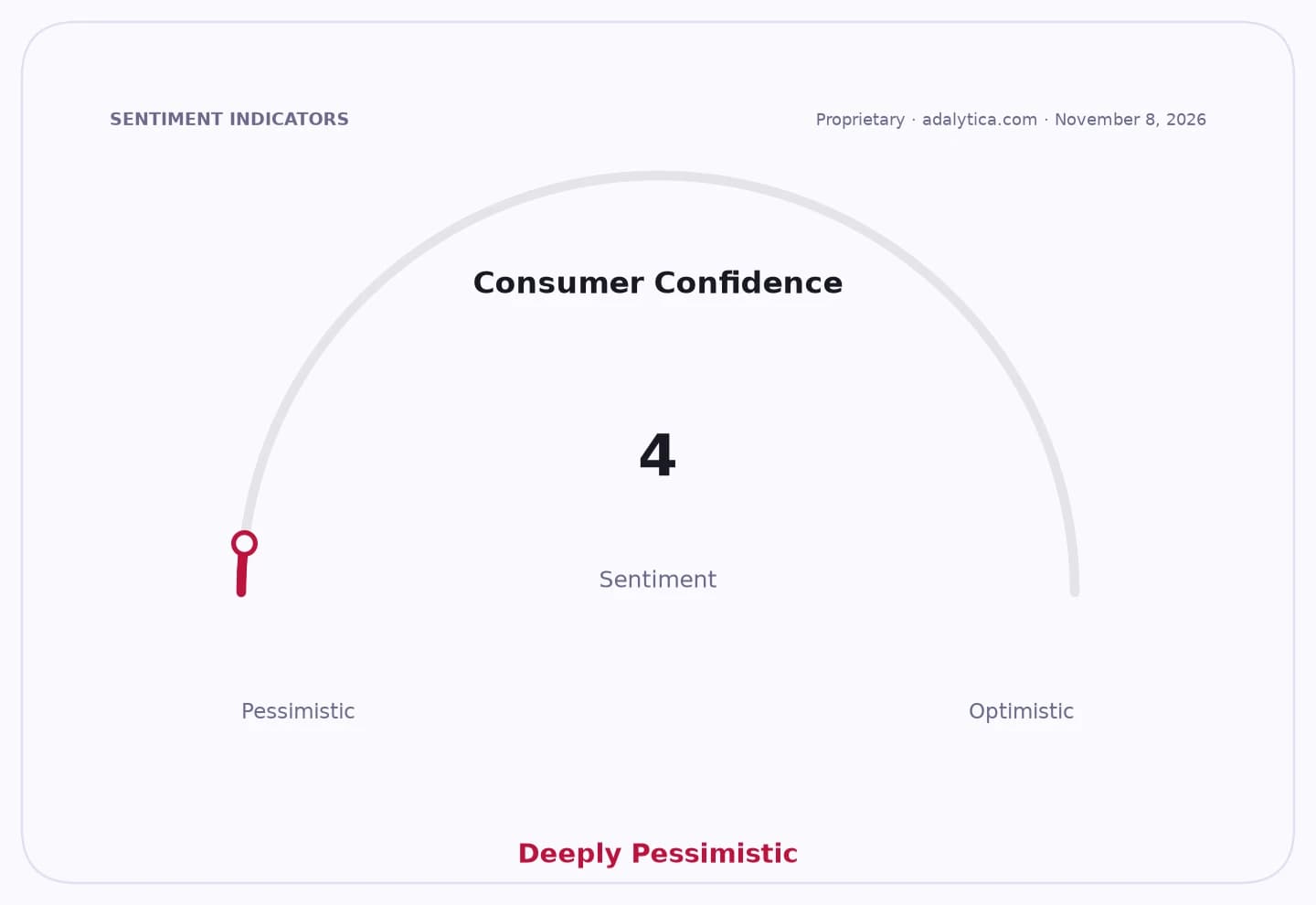
Consumer Confidence
The seven-county economy — Los Angeles, Orange, Riverside, San Bernardino, San Diego, Ventura and Imperial — had a record 10 million-plus jobs in October, according to state figures released Friday, with employers adding 83,400 workers over the past 12 months. That was the biggest annual gain since November 2024 and ran above the region’s 10-year average pace. For investors and policymakers, the significance is less the round number itself than the fact that hiring is still expanding at a time when national job growth has slowed and broader market sentiment around employment remains fragile.
Sentiment Indicators
The gain was not confined to one pocket of the region. All six local job markets tracked in the data added workers for the first time since May 2025, suggesting the improvement is not just a one-off rebound in a single county or industry. Los Angeles County, the region’s largest employer base, reached 4.62 million jobs, up 36,000 from a year earlier. San Diego set a record at 1.59 million jobs, while Orange County rose to 1.7 million and the Inland Empire to 1.73 million. Imperial County also notched a record. Ventura was the weak spot, with only modest growth, underscoring how uneven the expansion remains.
That matters economically because Southern California is still one of the country’s largest demand centers. More payrolls translate into more household income, more discretionary spending and firmer support for sectors such as retail, services, transportation and housing. The region’s job base accounted for 55% of California employment in October, but only 46% of the state’s job gains over the past year, indicating that growth is still stronger outside the south — yet the fact that Southern California is still adding workers at a faster-than-trend rate is enough to keep the state economy on firmer footing than the national average.
California as a whole had 18.3 million jobs in October, up 181,200 from a year earlier and above its own 10-year hiring norm. Nationally, employment rose by 885,000 over the same period to 159 million, a pace that remains below the pre-pandemic long-run average. Southern California’s annual job growth rate of 0.8% compared with 1% statewide and 0.6% nationally, a reminder that while the region is not outpacing California, it is still contributing meaningful momentum.
For investors, the report is most relevant to companies tied to local labor, consumer demand and property markets. Builders and lenders have long treated job growth as a leading indicator for homebuying, and the latest figures are supportive for demand in a region where affordability remains stretched. The data also help explain why utilities, retailers and service providers focused on Southern California have been able to lean on a still-resilient employment base even as inflation, interest rates and broader economic uncertainty weigh on sentiment.
The bull case is that record employment signals a durable labor market that can keep spending elevated and reduce downside risk for the state economy. The bear case is that growth is already slowing from prior years in several counties, and Southern California is still underperforming the rest of California on the share of new jobs created, which could cap the upside if hiring cools further. For now, though, the message from October is straightforward: the region’s job engine is still running, and that remains an important cushion for the broader economy heading into year-end.
| Entity | Gains | Losses |
|---|---|---|
| Southern California workers | ▲More hiring opportunities | ▼Less bargaining pressure if growth slows |
| Local employers | ▲Larger labor pool support | ▼Higher payroll and operating costs |
| Homebuilders and lenders | ▲Firmer housing demand | ▼Affordability remains a constraint |
| California economy | ▲Stronger consumer base | ▼Dependence on uneven regional growth |