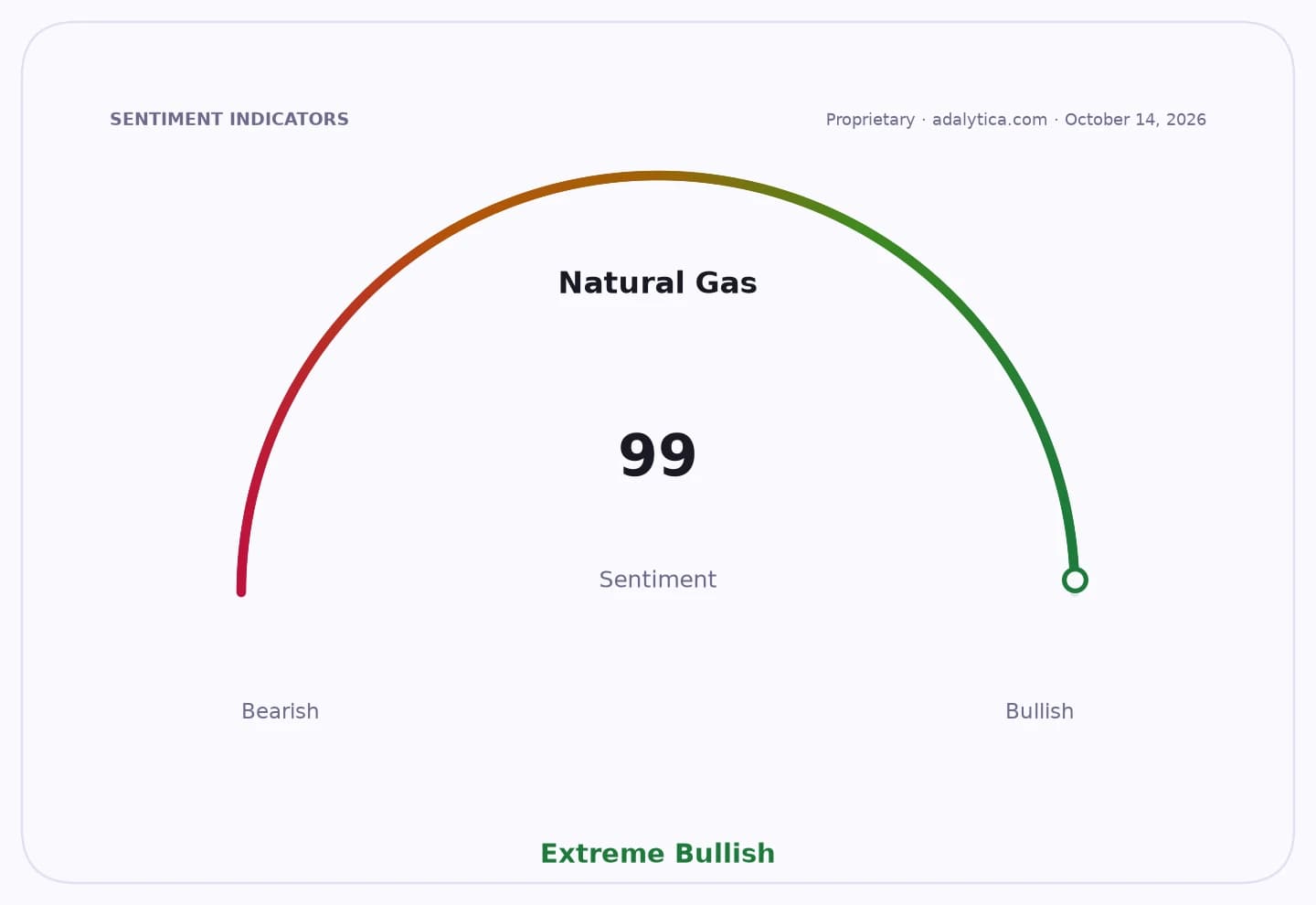
Southern Energy Corp. said initial results from its first Cotton Valley well at Williamsburg point to a liquids-rich gas condensate reservoir, a development that could lift the company’s margins and support a self-funded drilling program if follow-up testing confirms the geology.
Southern Energy tests liquids-rich Cotton Valley well
The announcement matters because Southern is trying to turn a single well result into a repeatable inventory in a premium-priced basin. The company said preliminary 2D seismic mapping shows more than 7,200 acres of interpreted four-way closure at the Cotton Valley interval, which could support more than 45 gross drilling locations at 160-acre spacing.
For investors, the appeal is straightforward: condensate-rich output typically fetches better economics than dry gas, and Southern said the liquids stream should benefit from Louisiana Light Sweet pricing at a premium to West Texas Intermediate, while gas volumes would access Transco Zone 4 pricing without third-party transportation or processing costs. Southern said the well’s initial test also suggests high permeability deliverability, though it stressed that the flow results are preliminary and not yet enough to establish long-term production or recovery.
The company is now conducting fluid phase testing to confirm whether the reservoir is indeed gas condensate. It has also started land and regulatory work for two potential follow-up wells, with the next spud targeted for early first-quarter 2027, subject to approvals and capital allocation.
Chief Executive Ian Atkinson said the results support further capital spending on the Cotton Valley “C” interval and help advance planning for follow-up development. He also pointed to five prospective zones in the shallower Hosston and Sligo formations that Southern plans to evaluate as part of a broader field strategy.
Southern said it currently has no Cotton Valley reserves booked in Williamsburg, underscoring that the project remains in appraisal mode. The stock angle is less about today’s production and more about whether the well can convert a large unbooked inventory into a higher-margin growth engine without forcing the company to tap external funding.
The next catalyst is the outcome of fluid testing and the pace of permitting for the follow-up wells, both of which will determine whether Williamsburg becomes a material new development hub or remains an encouraging but still unproven result.
| Entity | Gains | Losses |
|---|---|---|
| Southern Energy | ▲Higher-margin liquids potential | ▼No booked reserves yet |
| Shareholders | ▲Possible self-funded growth | ▼Geological and execution risk |
| Competitors in gas-weighted plays | ▲None directly | ▼Southern’s premium-priced inventory advantage |
| Midstream service providers | ▲Limited benefit | ▼Southern’s no-third-party processing model |