Southwest Airlines is overhauling Rapid Rewards in a bid to keep its most valuable flyers from drifting to bigger rivals, replacing A-List and A-List Preferred with Silver and Gold and adding a new top-tier Platinum status.
Southwest Airlines revamps Rapid Rewards tiers
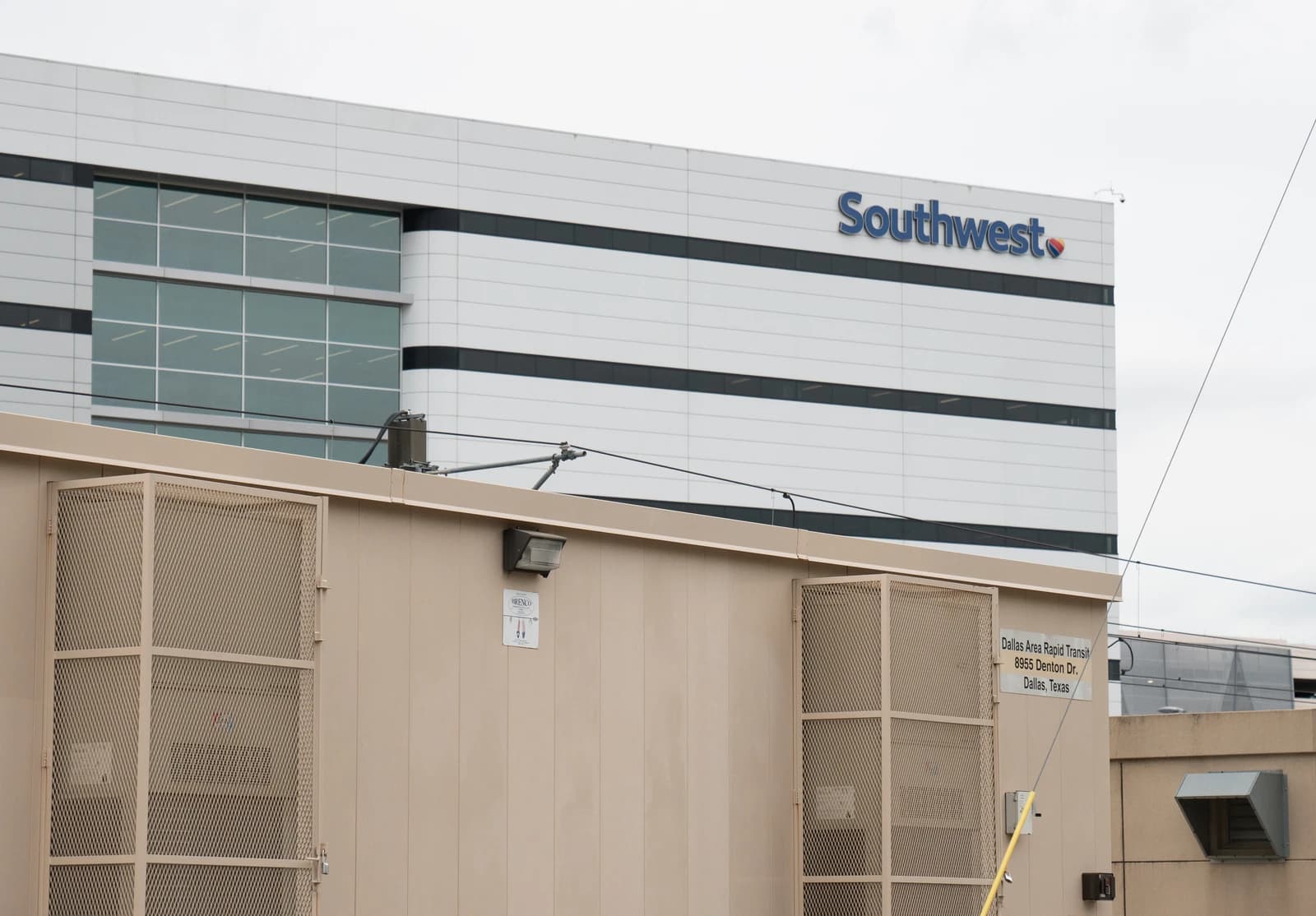
The change matters because loyalty has become one of the airline industry’s most durable profit engines. Carriers are leaning harder on frequent-flyer programs to lock in repeat bookings, lift ancillary revenue and push customers toward higher-yield premium travel, even as fare competition and higher operating costs pressure margins. For Southwest, which built its brand on simplicity, the redesign marks a more explicit move toward the richer segmentation that legacy carriers have long used to monetize business travelers.
Investors will read the overhaul as part strategy, part defense. Southwest has been trying to strengthen its revenue mix after a volatile stretch for the stock, with the shares recently trading near $39.50, below both the 50-day moving average of $41.09 and the 200-day average of $43.17. The technical backdrop suggests the market still wants proof that commercial changes can translate into better pricing power and earnings durability. A loyalty revamp alone will not change the balance sheet, but it can improve retention among the customers most likely to pay up for flexibility, priority perks and premium services.
The timing also reflects a broader shift in U.S. aviation. Airlines are moving away from a one-size-fits-all model and toward more differentiated offerings, including upgraded seating, priority benefits and loyalty tiers that encourage customers to concentrate spend with one carrier. Delta and United have been especially aggressive in monetizing premium demand and loyalty relationships, while Southwest has historically relied on a simpler product and a more egalitarian image. By introducing Platinum and renaming its existing tiers, Southwest is signaling it wants to compete more directly for high-frequency travelers without abandoning its core network.
The bull case is that a clearer, more aspirational loyalty ladder helps Southwest increase engagement and reduce churn, especially if the new benefits are tied to spending behavior rather than just flight counts. The bear case is that more complexity could dilute the brand’s traditional appeal if customers see the changes as mimicking legacy airlines without matching their premium depth. The stock’s recent recovery from earlier-year lows suggests investors are willing to give management room to prove the model, but they will want evidence in booking trends, loyalty economics and unit revenue before assigning a higher multiple.
For now, the overhaul is another sign that Southwest is trying to engineer a more lucrative customer relationship, not just sell more seats. Whether that translates into sustained margin improvement will depend on how well it can convert a new status hierarchy into repeat demand and higher-yield traffic over the next several quarters.
| Entity | Gains | Losses |
|---|---|---|
| Southwest Airlines | ▲stronger loyalty retention | ▼brand simplicity |
| Frequent flyers | ▲clearer premium perks | ▼less straightforward program |
| Rival U.S. airlines | ▲validation of premium strategy | ▼share risk if Southwest executes |
| Investors | ▲potential revenue uplift | ▼execution uncertainty |