The selloff in U.S. stocks looks more like a reset than the start of a bear market, and some of Wall Street’s biggest bullish calls for 2027 now point to far more upside than the correction suggests.
S&P 500 Correction Seen as Reset, Not Bear Market

That matters because the market is being driven less by recession fear than by a disagreement over how long the profit cycle can run. The S&P 500 has slipped into correction territory, the Nasdaq has been hammered by AI-led profit taking, and investor anxiety has surged. But strategists and portfolio managers are still arguing that the core pillars of the bull market — strong consumer spending, heavy hyperscaler capex and moderating inflation — remain intact. In other words, the market is repricing froth, not abandoning the expansion.
Sentiment Indicators
Morgan Stanley’s Michael Wilson sees the S&P 500 finishing 2027 at 8,700. Goldman Sachs is there too. UBS and Wells Fargo are more cautious at 8,200. But Steve Chiavarone, chief investment officer for equities at Federated Hermes, is calling for 10,000 by year-end 2027, a roughly 45% gain from current levels. That is not a side note. It is a statement that today’s panic is creating the next leg of the bull market, not ending it.
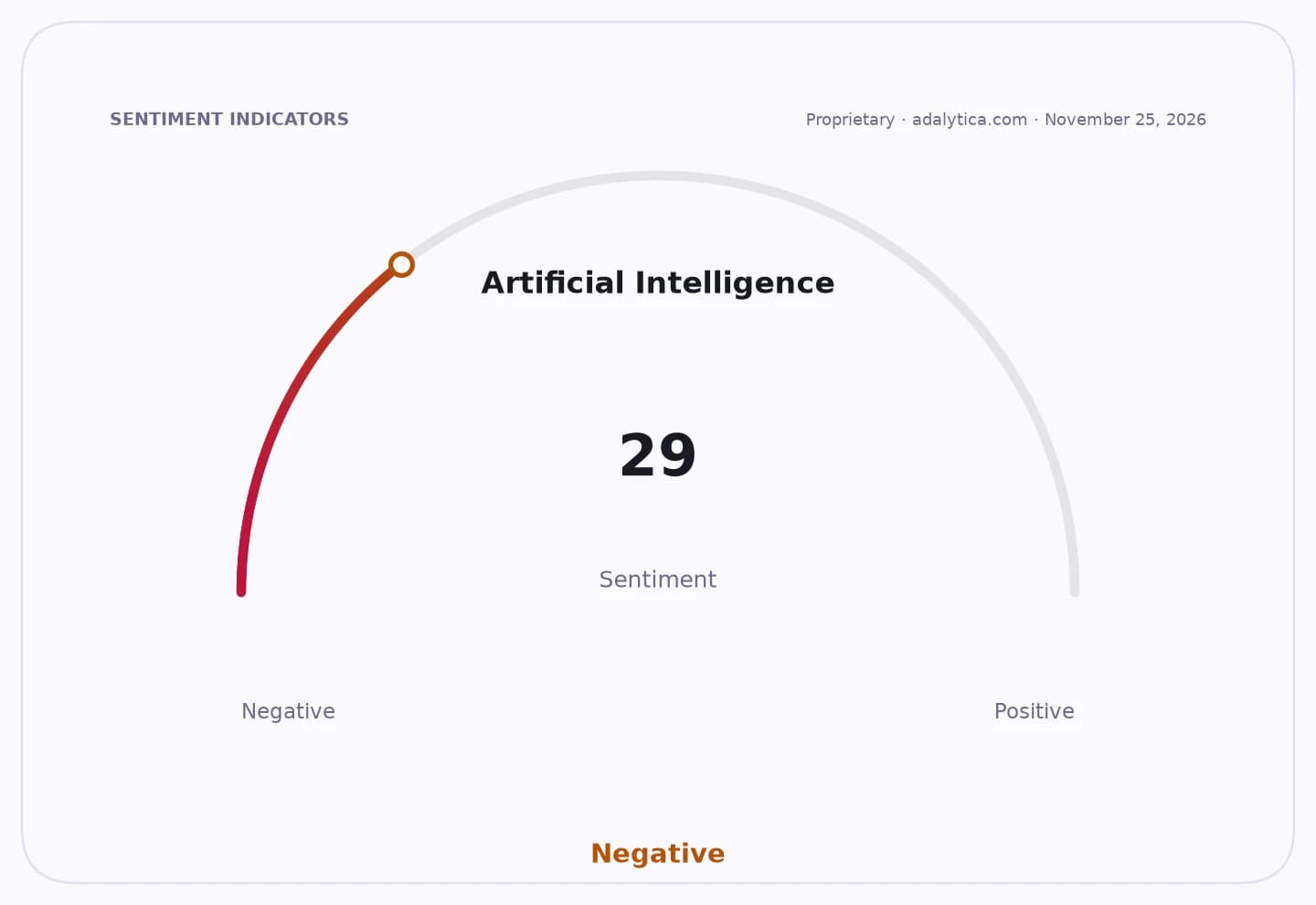
Chiavarone’s argument gets to the heart of what investors are missing: the AI buildout may be slowing from a sprint to a more sustainable pace, but that would likely be bullish for margins, cash flow and rate expectations. If data-center spending eases just enough for earnings to catch up, the inflation impulse could soften, taking pressure off the Federal Reserve and extending the cycle. That is the kind of setup that can support a higher multiple and stronger returns into 2027.
DGS10 vs UNRATE — macro contextadalytica.com
Explore this data interactively — full history, time series and cross-market comparisons.
The macro backdrop helps the case. Treasury yields have already backed off from recent stress levels, the unemployment rate remains near 4.1%, and inflation, while still sticky, is no longer accelerating at the pace that forced the Fed into an aggressive tightening posture earlier in the decade. Strategists are betting that the combination of resilient growth and cooling price pressure can keep the economy in a mid-cycle regime rather than tipping it into contraction.
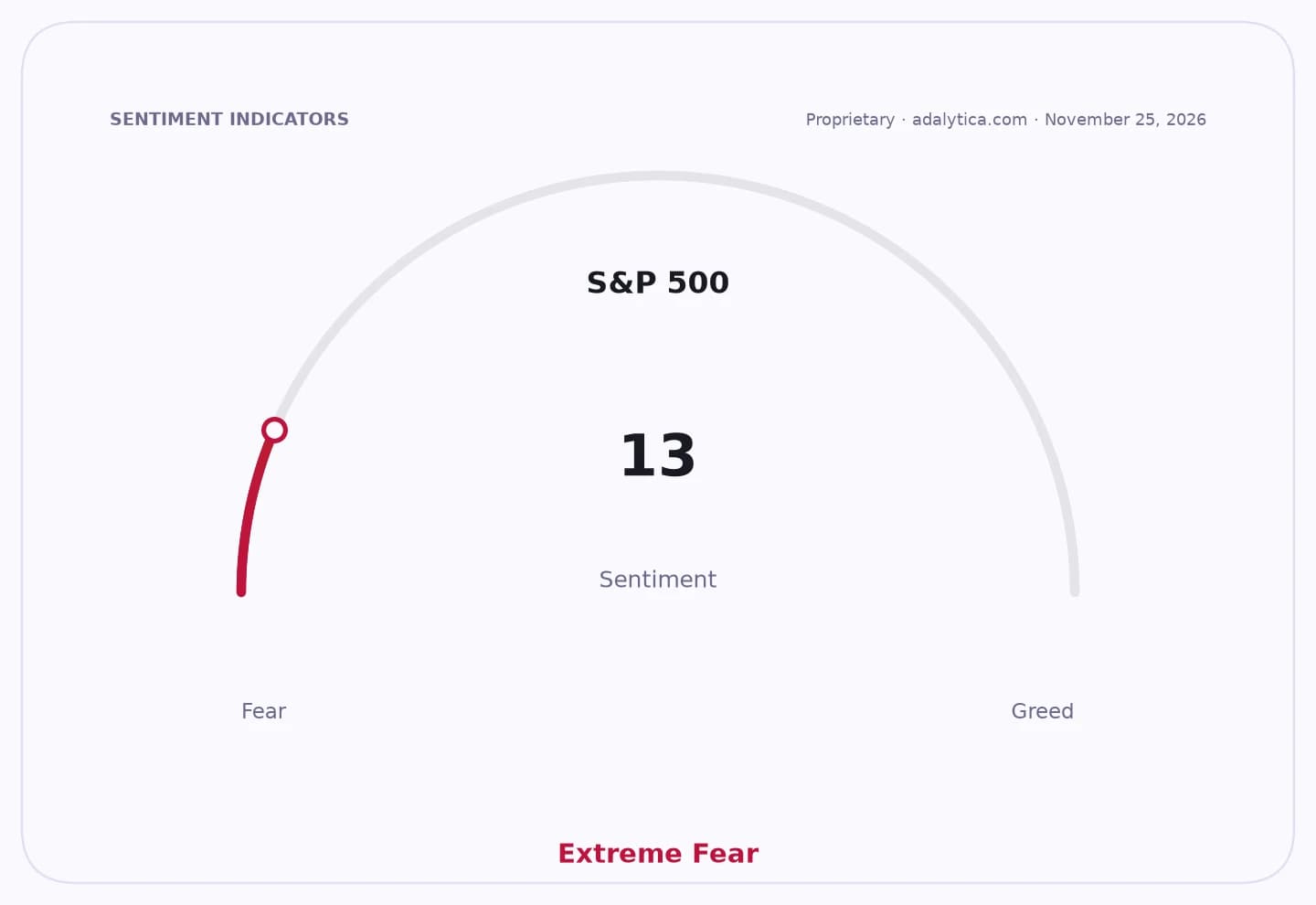
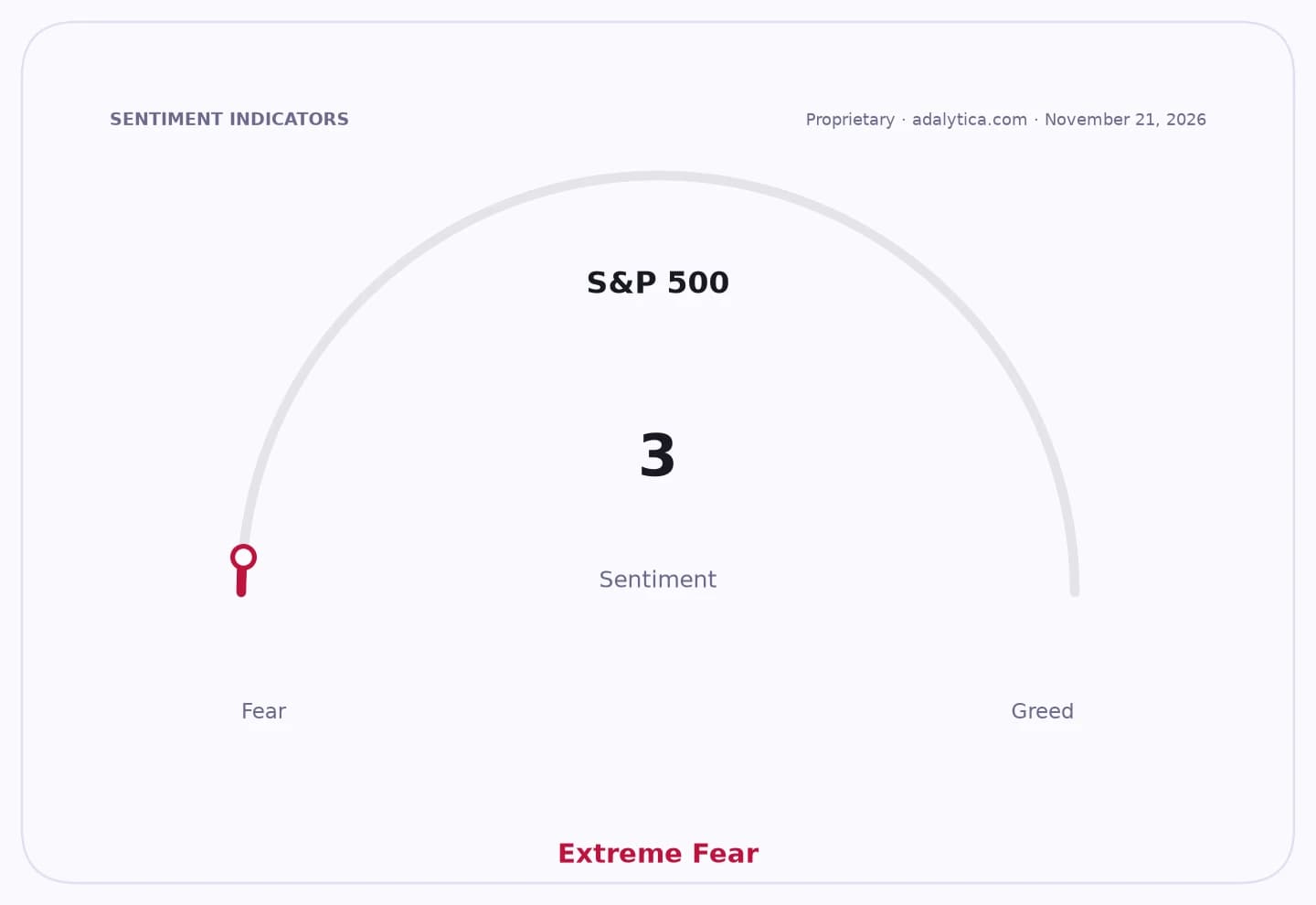
The recent drawdown in megacap tech has also sharpened the opportunity set. The 50-day moving averages in the S&P 500 and Nasdaq 100 have been broken, and momentum indicators have weakened, which is exactly the kind of technical washout that often resets sentiment before a broader advance. Adalytica’s trade signals show extreme fear in the S&P 500 even as market awareness remains elevated, a classic setup for short-term volatility and longer-term opportunity. When positioning gets this defensive while earnings expectations for 2027 remain constructive, the asymmetry starts to favor buyers.
That is why the next phase of the rally may not look like the last one. If the market is entering a more stable mid-cycle backdrop, leadership should broaden beyond the narrow group of AI infrastructure winners. Industrials, financials, utilities tied to grid investment, and select semiconductor and power-equipment names could benefit as capital spending spreads through the real economy. The biggest winners may be the picks-and-shovels behind compute, energy and data-center infrastructure, not just the hyperscalers themselves.
For investors, the message is straightforward: do not confuse a correction with the end of the bull market. The market underestimates how much earnings power can still be created if AI spending normalizes rather than collapses, inflation cools and the Fed is forced to stay patient. If Wall Street is right about 2027, this is the kind of pullback that should be accumulated, not feared.
| Entity | Gains | Losses |
|---|---|---|
| Long-term equity bulls | ▲Lower entry points | ▼Short-term panic |
| AI infrastructure builders | ▲Sustainable capex cycle | ▼Frothy valuation multiples |
| Industrials and financials | ▲Broader market leadership | ▼Narrow megacap dominance |
| Cash, bonds, and short sellers | ▲Defensive rotation | ▼A renewed bull market |