Spanish households are using credit cards more often, but they are not leaning on them to finance spending, a sign that consumption remains restrained even as card payments keep rising.
Spain card spending rises as credit balances fall

The outstanding balance on credit and revolving cards in Spain stood at 10.394 billion euros at the end of June, according to the Bank of Spain, the lowest since 2015 and well below the 12.013 billion euros reached in November 2023 and the 13.62 billion euros peak recorded in December 2019. That gap matters because card debt is a timely gauge of consumer leverage: when balances stop expanding, it usually means households are paying down borrowings rather than stretching to support purchases.
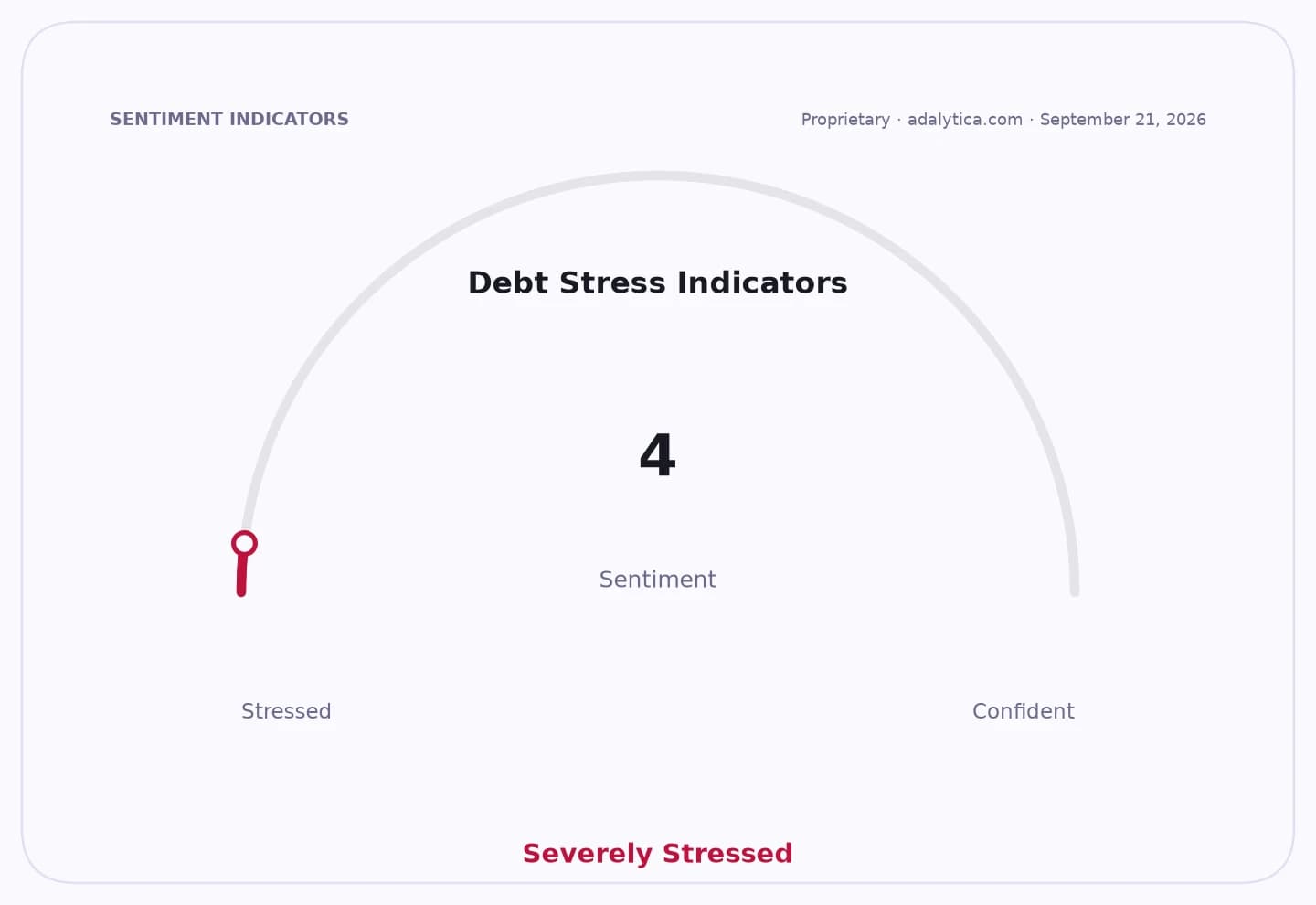
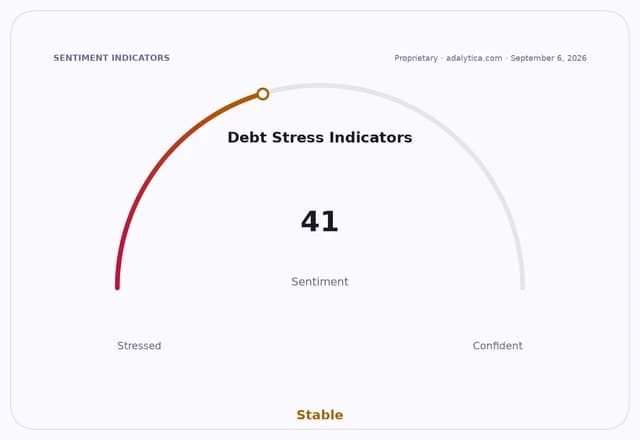
Sentiment IndicatorsⓘProprietary · adalytica.com · September 6, 2026
This is a snapshot — live sentiment, awareness and momentum for 130+ markets update continuously in the dashboard.Open AlphaPulse
The data suggest Spain’s consumption model is becoming more digital but not more debt-driven. Card use has become deeply embedded, especially among younger consumers, and the country has about 97 million cards in circulation, roughly two per resident. Yet the mix is shifting toward debit rather than credit. Spain now has 53.89 million debit cards versus 42.76 million credit cards, and the number of credit cards has fallen 1.35% from a year earlier even as debit cards rose 2.79%.
That pattern is consistent with a broader European picture in which cash remains widely accepted and mobile payments are expanding quickly, but households are still cautious about borrowing. A recent European Central Bank survey found 92% of firms in physical retail, hospitality and leisure sectors accepted cash this year, up from 90% in 2024, while acceptance of card payments held steady at 88%. Acceptance of mobile payments surged to 68% from 36%, showing that payment habits are changing even if balance-sheet behavior is not.
For investors, the implications run through banks, card networks and consumer-facing businesses. Higher transaction volumes can support payment revenue even when credit balances are flat, which helps explain why Spanish card operations continued to grow: purchases at point-of-sale terminals rose almost 6% last year to 9.752 billion transactions worth 286.623 billion euros, and they were up around 7% year on year in the first quarter of this year. But stagnant revolving balances limit interest income from a product that typically carries rates near 25%, a headwind for lenders relying on expensive consumer credit.
That creates a split between winners and losers. Payment processors and merchants benefit from a more active, more digital consumer base, while banks and card issuers face slower growth in revolving debt and less room to expand high-margin lending. The data also argue against any easy narrative that card use automatically signals stronger household demand: Spaniards are still spending, but they are increasingly choosing debit and mobile tools over borrowing.
The next read-through will come from whether rising card transactions eventually translate into higher outstanding balances. For now, the evidence points to a consumer sector that is still spending, but doing so with restraint.
| Entity | Gains | Losses |
|---|---|---|
| Debit cards | ▲More usage | ▼Less need for credit |
| Card networks | ▲Higher transaction volume | ▼Slower balance growth |
| Banks/card issuers | ▲Stable payments activity | ▼Lower interest income |
| Spanish households | ▲More payment flexibility | ▼Little access to revolving credit |