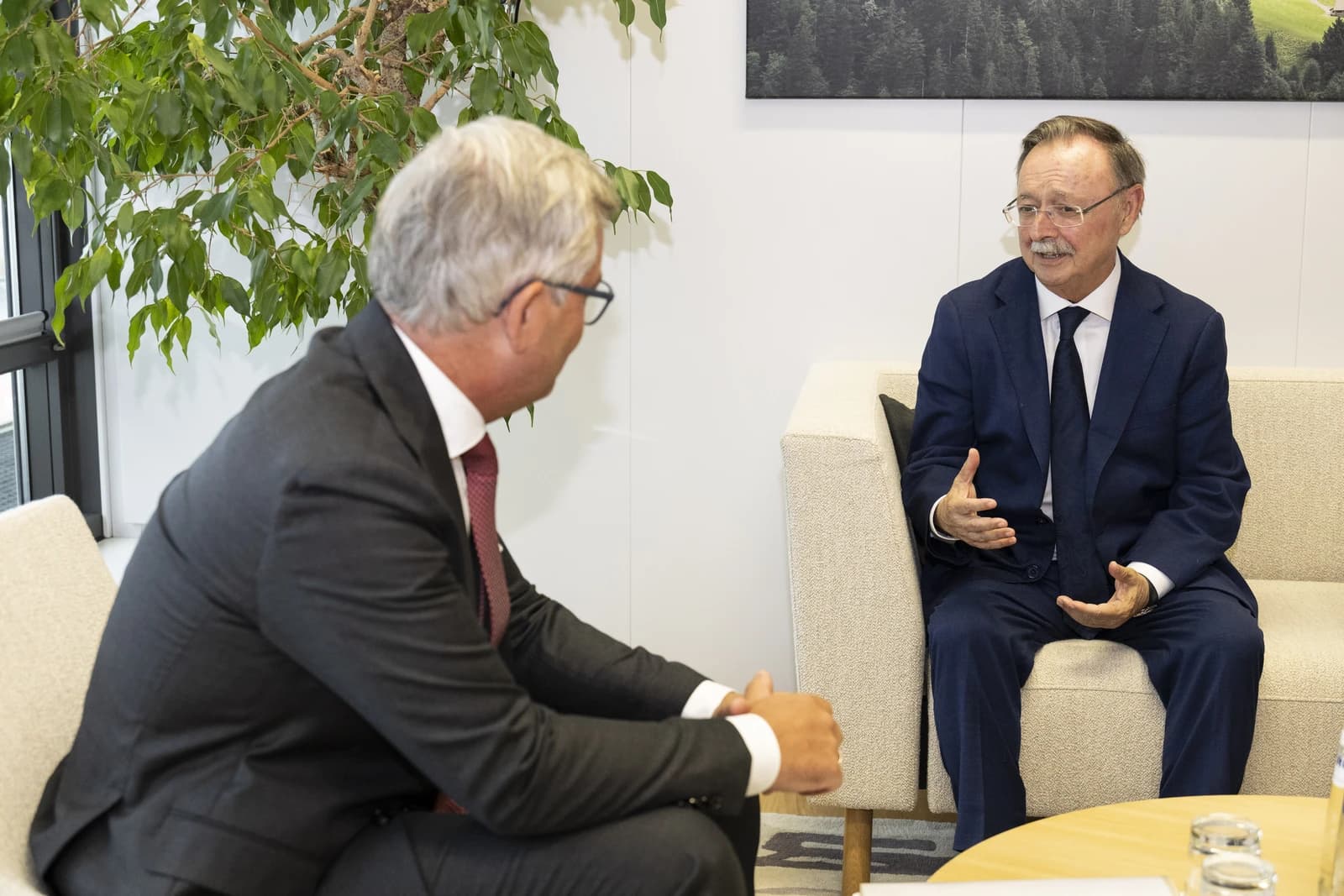
Milei and Spain’s Vox used a Chilean conservative summit to cast Spain’s irregular migration crisis in Ceuta as a broader attack on sovereignty, putting Pedro Sánchez’s government under fresh political pressure just as Madrid mobilizes a €309 million aid package and seeks EU support to manage the fallout.
Spain Ceuta migration pressure on Sánchez government

The economic significance is less about the rhetoric than the policy burden now attached to it. Spain is already dealing with the costs of stabilizing Ceuta after the arrival of thousands of migrants in late July, including emergency spending, border management, and the risk of renewed unrest on the mainland. The government’s decision to activate EU assistance almost a month after the incident underlines that the issue has moved beyond a local security challenge into a question of fiscal coordination, regional resilience and Spain’s relationship with Brussels on migration enforcement.
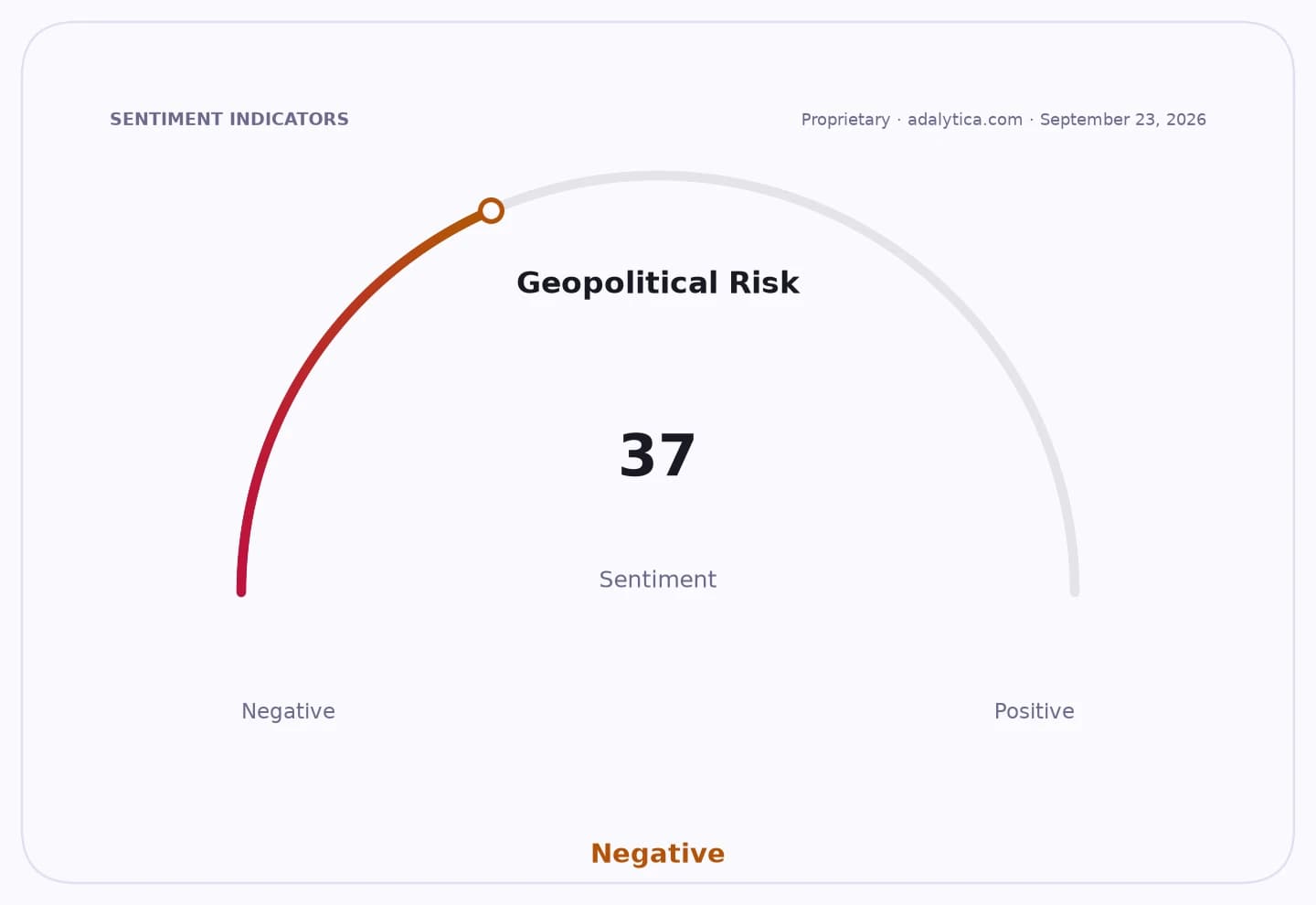
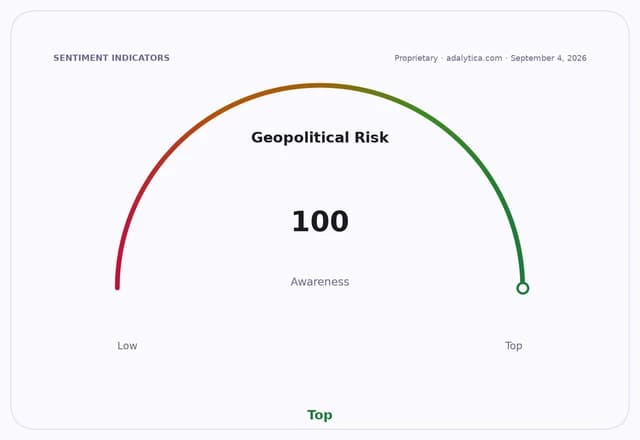
Sentiment IndicatorsⓘProprietary · adalytica.com · September 4, 2026
This is a snapshot — live sentiment, awareness and momentum for 130+ markets update continuously in the dashboard.Open AlphaPulse
For investors, the immediate market impact is likely to remain limited, but the political implications are not. Migration has become a durable source of fragmentation in European politics, and Spain is now seeing it sharpen both sides of the ideological divide. Vox and Milei are trying to frame Sánchez as permissive on border control, a message aimed at mobilizing voters and pressuring the governing coalition. That raises the risk of a more confrontational debate around Interior Ministry spending, municipal support for border regions and any further aid packages tied to migration management.
The timing matters. Abascal was absent from the Santiago de Chile forum because he was in the Spanish parliament for a special session on Ceuta, underscoring how the issue has jumped from geopolitical talking point to domestic legislative priority. Garriga’s description of the influx as an “invasion” and Milei’s attack on what he called the “degradation” of Spanish identity are designed to widen the conflict beyond border administration, turning migration into a referendum on national identity, sovereignty and the legitimacy of Sánchez’s government.
That broader narrative has consequences for market sentiment even if not for prices directly. Persistent political tension can complicate fiscal planning, delay local investment and keep Spain’s risk premium sensitive to headline shocks, especially if the issue feeds broader instability in relations with Morocco or strains EU solidarity on migration. The government’s aid package may ease near-term pressure in Ceuta, but it does not resolve the underlying dispute over how Spain should police its southern frontier or who should pay for it.
The bull case for Sánchez is that the state can absorb the cost, restore order and lean on EU mechanisms to blunt the issue before it spreads further. The bear case is that Ceuta becomes a template for a wider immigration fight that strengthens Vox, weakens policy flexibility and keeps Spain’s political agenda dominated by border security rather than growth or reform. With migration now fused to identity politics, the dispute is likely to stay central well beyond this summit.
| Entity | Gains | Losses |
|---|---|---|
| Vox and Milei | ▲Political visibility | ▼Moderate-right policy consensus |
| Sánchez government | ▲EU aid leverage | ▼Control of migration narrative |
| Ceuta and Melilla authorities | ▲Fiscal support | ▼Short-term stability |
| EU migration framework | ▲Renewed relevance | ▼Credibility under strain |