Catalonia’s two-year-old PSC-ERC-Comuns governing pact is proving far more economically consequential than Spain’s noisy national politics suggests, because it has delivered the one thing investors value most in a fragmented system: operational continuity.
Spain ETF, Santander Rise on Catalonia Stability

For markets, that matters because stability in Barcelona lowers one of the biggest policy risks hanging over Spanish assets — the chance that coalition breakdown, snap elections or a hard turn in regional policy would spill into fiscal, housing and infrastructure decisions. The alliance has already pushed through budgets and kept the legislature functioning, giving Salvador Illa a workable governing majority even as the broader Spanish parliament remains far more fragile.
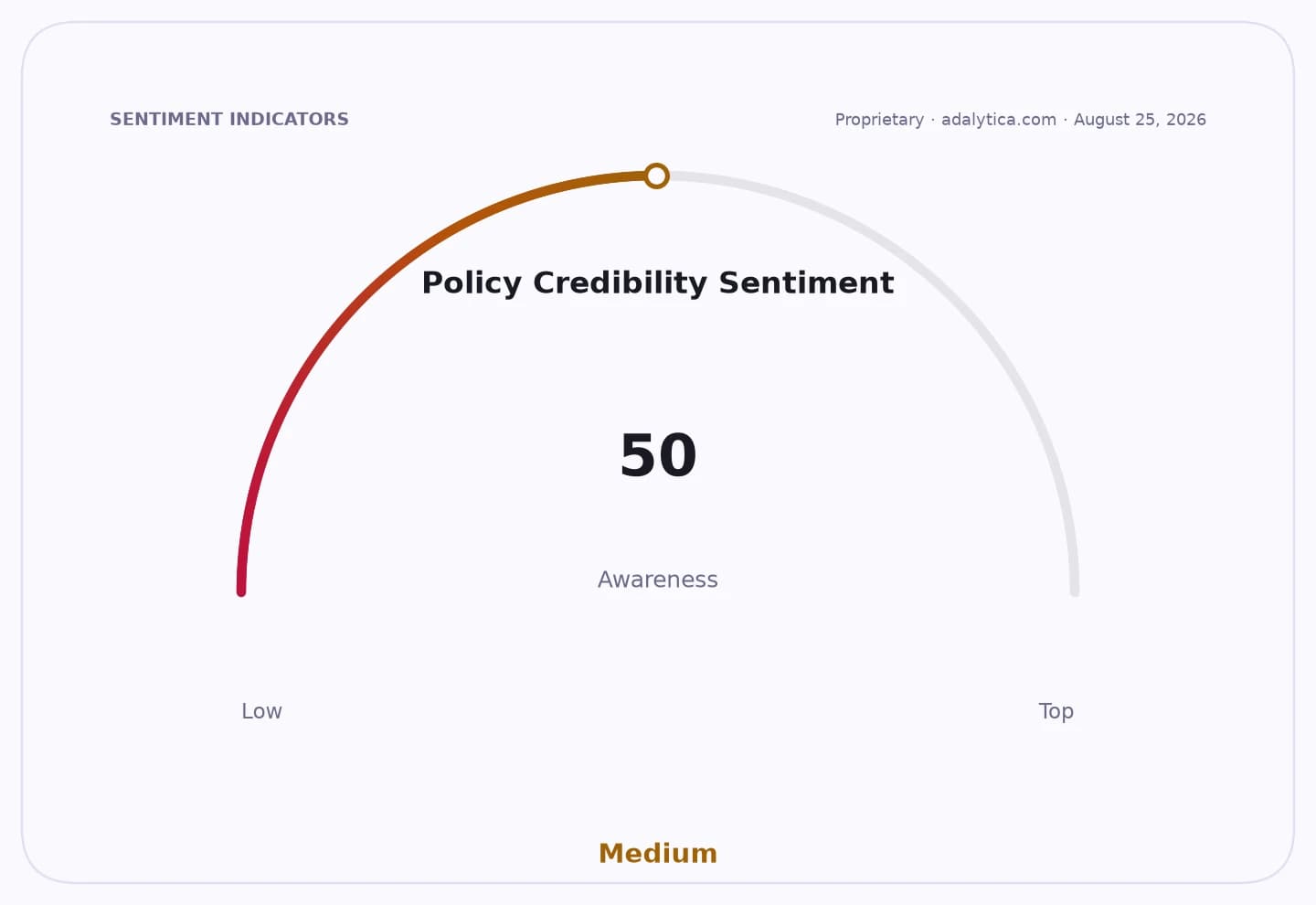
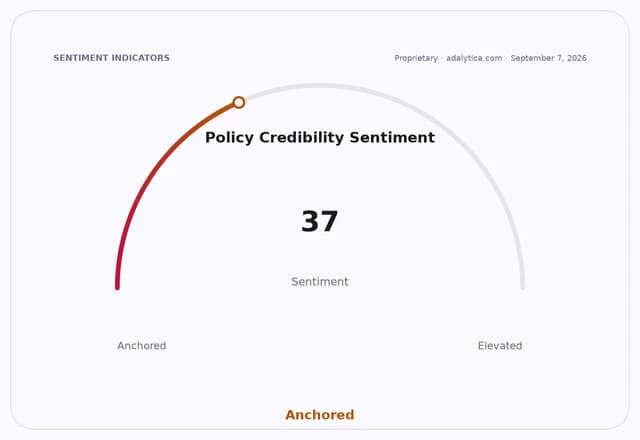
Sentiment IndicatorsⓘProprietary · adalytica.com · September 7, 2026
This is a snapshot — live sentiment, awareness and momentum for 130+ markets update continuously in the dashboard.Open AlphaPulse
That stability is showing up where investors would expect. The Spanish banks most exposed to domestic confidence and loan growth have been outperforming, with Santander up to 14.93 euros from 11.92 euros in early June and BBVA climbing to 29.51 euros from 22.02 euros over the same stretch. Both names remain above their 50-day and 200-day moving averages, a sign that the market is still paying for earnings resilience and capital-return visibility rather than discounting political disruption. The same backdrop helps explain why the iShares MSCI Spain ETF, EWP, has pushed to 62.75 dollars from 50.82 dollars in March and continues to trade above both its 50-day and 200-day averages.
The key point is not that Catalonia has become exciting. It is that it has become governable. In Europe, that is enough to attract capital when investors are already hunting for yield, bank distribution and domestic cyclicals that can compound without a policy shock every quarter. The coalition has also kept sensitive issues such as housing, financing and commuter rail on track, reducing the odds of the kind of confrontation that can freeze investment decisions and complicate credit underwriting.
The risk, of course, is that the arrangement is more pragmatic than ideological. ERC appears to benefit most from the setup, and the real wildcard remains the courts. The Supreme Court has so far refused to apply amnesty to Oriol Junqueras and Carles Puigdemont, and a Constitutional Court ruling due in September could reshape the electoral map if it changes the fate of ineligible leaders. If Junqueras is ultimately habilitated, ERC would have a stronger incentive to force an election; if not, the current arrangement may endure by default.
For investors, the thesis is straightforward: Spain’s regional politics are not a trading catalyst in themselves, but they are a margin-of-safety issue for banks, utilities, builders and the broader domestic market. As long as Catalonia stays operational, the market can keep rewarding Spanish financials and the country ETF for what they are increasingly becoming — a cleaner play on European growth, capital returns and political functionality. The better trade remains staying long the beneficiaries of stability rather than betting on a breakdown that, so far, neither side wants.
| Entity | Gains | Losses |
|---|---|---|
| PSC-ERC-Comuns coalition | ▲Policy continuity | ▼Snap-election risk |
| Santander | ▲Domestic confidence | ▼Catalan policy volatility |
| BBVA | ▲Spanish market re-rating | ▼Governance uncertainty |
| EWP / Spain ETF | ▲Stability premium | ▼Political headline risk |