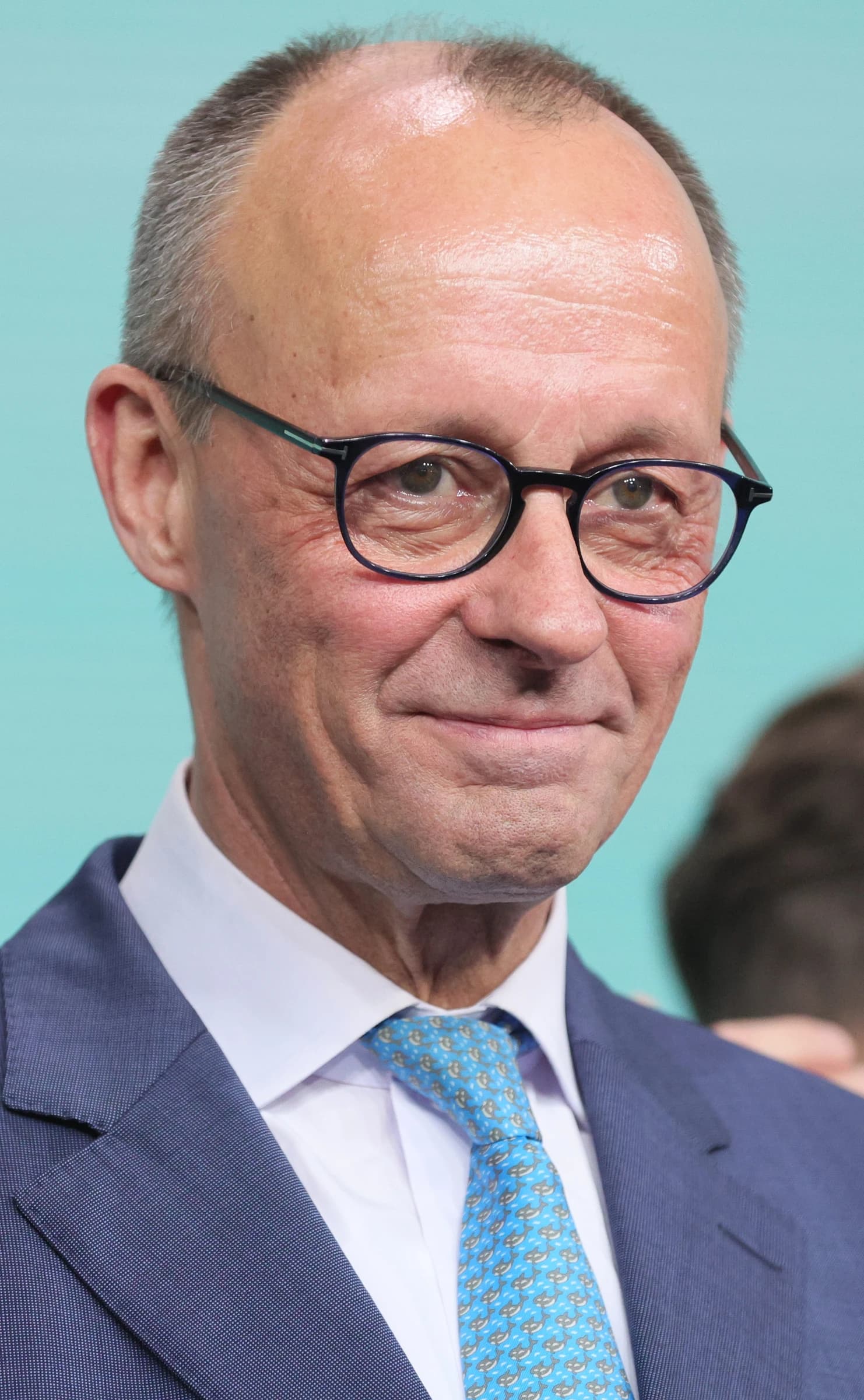
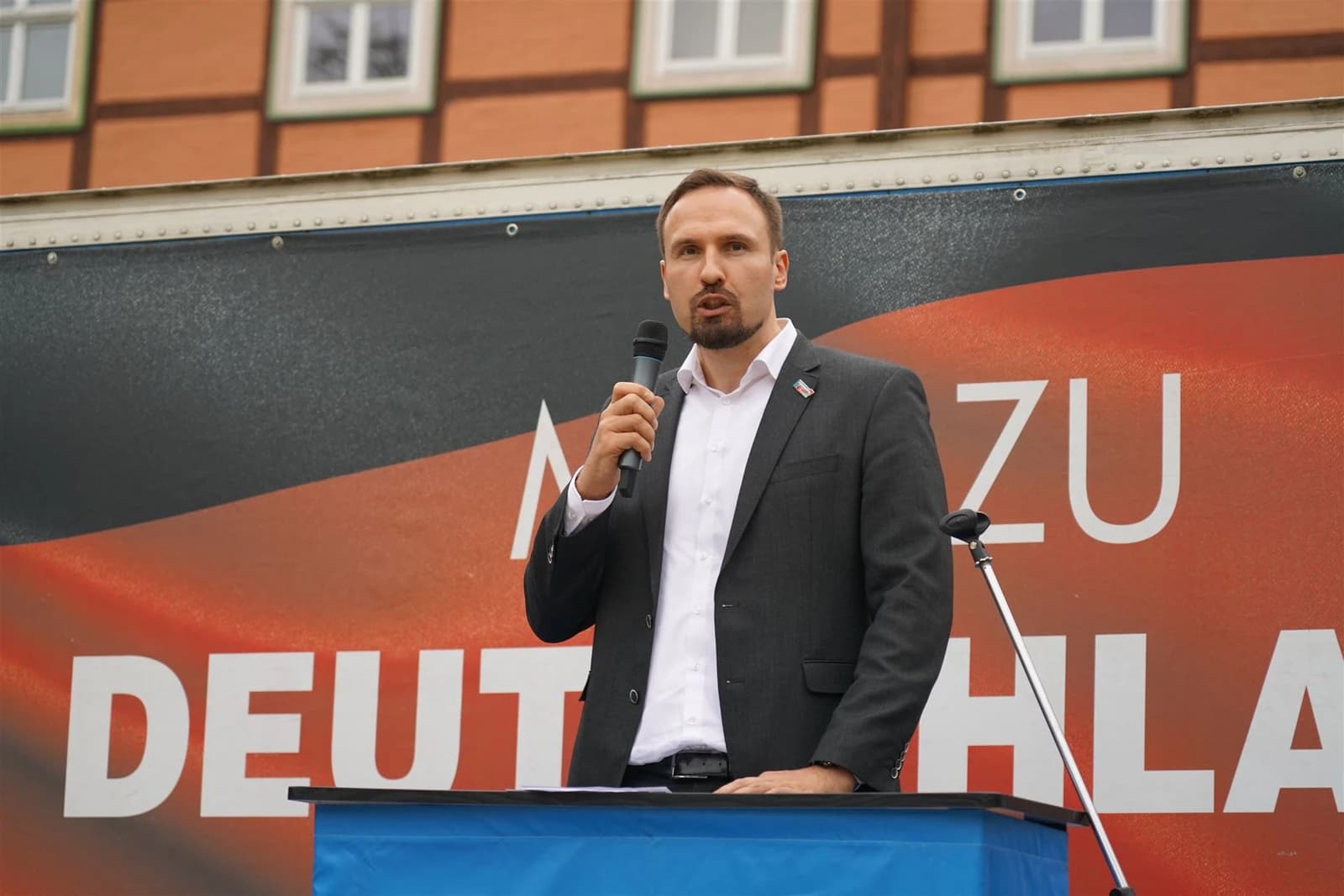
Germany’s political fragmentation is becoming an investment issue, and markets are pricing in more policy uncertainty as support for the far-right AfD rises and Chancellor Friedrich Merz’s CDU struggles to contain it.
Germany ETF EWG rises as AfD support grows
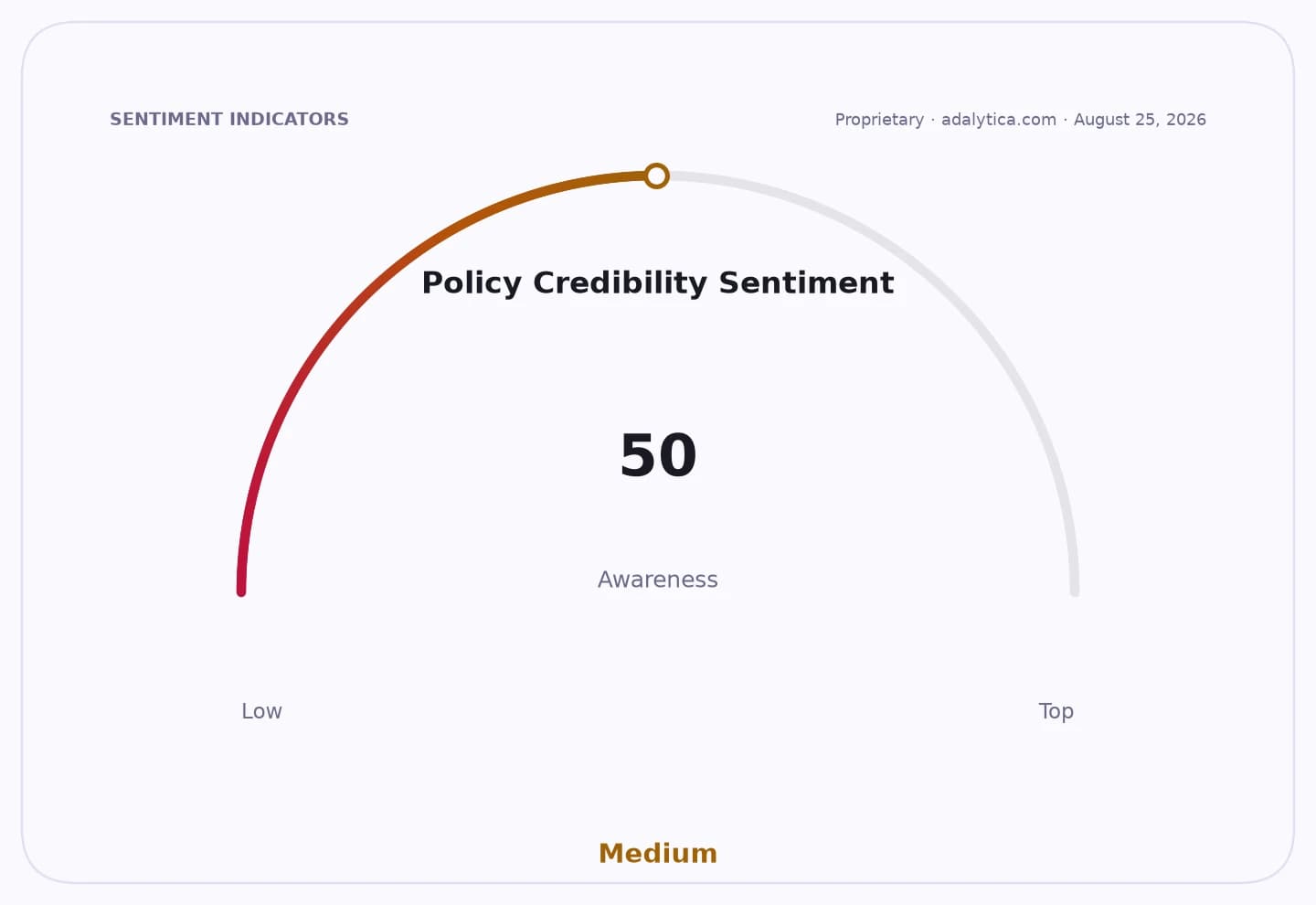
For investors, the key point is not the polemics of the campaign trail but the economic fallout from a weaker governing mandate. A more divided Bundestag raises the odds of slower fiscal decision-making, harder coalition arithmetic and less room for the kind of business-friendly reforms that German equities and Europe-focused funds typically need to sustain higher multiples. That matters for EWG, the Germany ETF, which has climbed to 44.13, its highest reading in the data, even as the broader political backdrop points to a less stable policy path.
Sentiment IndicatorsⓘProprietary · adalytica.com · August 25, 2026
This is a snapshot — live sentiment, awareness and momentum for 130+ markets update continuously in the dashboard.Open AlphaPulse
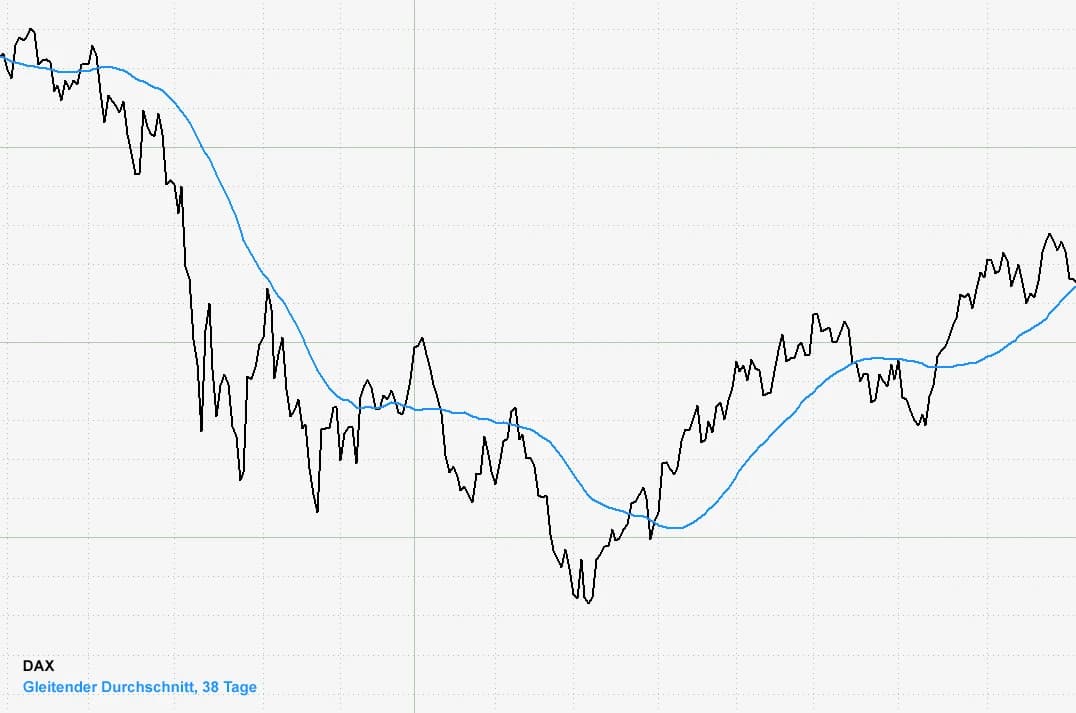
The move in EWG has been constructive on the surface. The fund now trades above its 50-day and 200-day moving averages, at 42.26 and 41.47 respectively, suggesting the medium-term trend has improved. Its RSI reading of 55.2 is neither overbought nor oversold, while the MACD remains positive at 0.57. That leaves room for further upside if investors decide Germany’s market-friendly sectors can withstand the political noise.
But the political narrative remains the central risk. The seed headline captures a familiar dynamic in European politics: mainstream parties promise to squeeze the AfD, yet repeated coalition compromises and voter frustration can end up strengthening it. If the CDU cannot convert economic dissatisfaction into credible growth policy, the result could be a larger protest vote, tighter coalition options and a more cumbersome legislative agenda. For Germany, that would be economically important because the country still relies on predictable policymaking to support capital spending, energy transition investment and industrial competitiveness.
Policy Credibility Sentiment vs EWGadalytica.com
Explore this data interactively — full history, time series and cross-market comparisons.Open AlphaPulse
The contrast between EWG and the political story is telling. German stocks have recovered from spring weakness, with the ETF rebounding from March lows near 37.45 to the mid-44s. That recovery suggests investors are willing to look through electoral noise for now. Yet the advance has been steady rather than euphoric, and the fund’s Bollinger Band positioning indicates the recent rally is approaching the upper end of its short-term range.
The bigger question for markets is whether a stronger AfD changes the policy mix. A more fragmented parliament could make it harder to pass measures on taxes, labor reform and energy costs — issues that matter directly for German corporate earnings and export competitiveness. Banks, industrials and domestic cyclicals would likely benefit most from any credible reform agenda; utilities, exporters and defensive sectors are more likely to be insulated if political gridlock deepens. In that sense, the AfD’s rise is less a niche political story than a test of Germany’s ability to generate investable growth.
For now, EWG is telling investors that Germany still has a bid. The election narrative says that bid is being built on uncertain foundations. If mainstream parties cannot restore confidence in economic management, the market may eventually have to price in not just a noisy political cycle, but a more persistent discount on German assets.
| Entity | Gains | Losses |
|---|---|---|
| AfD | ▲protest vote momentum | ▼establishment pressure |
| CDU/CSU | ▲chance to reclaim centrist voters | ▼credibility on reform |
| German equities / EWG | ▲hopes of reform-led rerating | ▼policy uncertainty premium |
| Banks and cyclicals | ▲stable coalition, pro-growth policy | ▼gridlock and slower investment |