A pension plan can leave heirs with a bigger tax bill than many savers realize, and that makes the choice between retirement accounts and other investments much more important for long-term family wealth.
Spain pension plans and inheritance taxes
The core issue is simple: in Spain, a pension plan does not pass through inheritance tax in the same way as a regular estate, but when the heir rescues the money, it is taxed as employment income. That means the bill can land in the same general tax base as wages, pushing the heir into a higher bracket just when the family expected to be receiving a benefit.
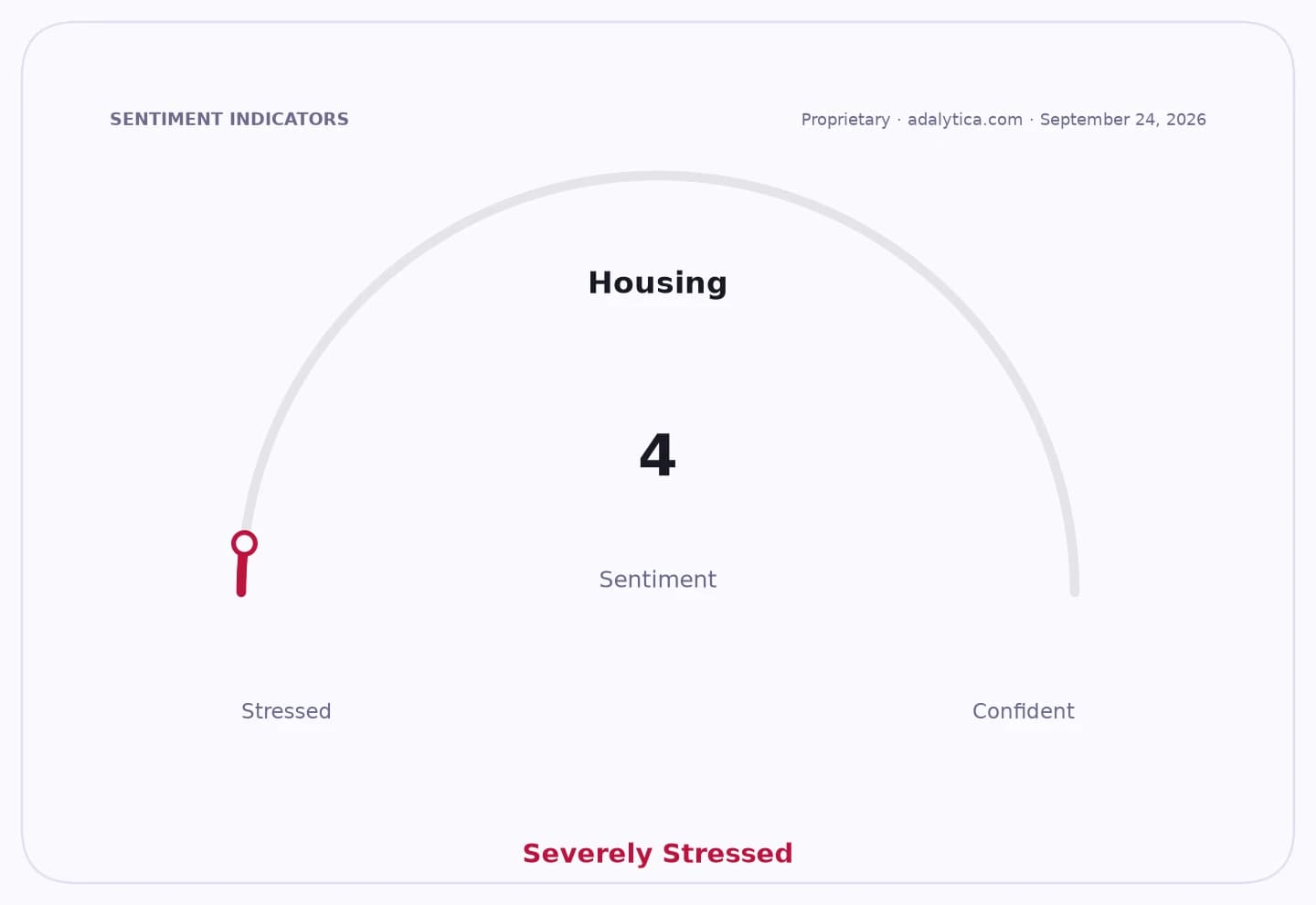
Sentiment IndicatorsⓘProprietary · adalytica.com · September 6, 2026
This is a snapshot — live sentiment, awareness and momentum for 130+ markets update continuously in the dashboard.Open AlphaPulse
That is why Andrés Millán, a labor lawyer and legal commentator, argues that a pension plan can be “the worst thing your child can inherit after a debt.” His warning is not about the size of the account alone, but about the way the tax system treats the payout. A pot worth 100,000 euros, 500,000 euros or even 1 million euros may look like a strong legacy, yet the eventual tax hit can be painful if the entire balance is withdrawn at once.
By contrast, a mutual fund or other investment vehicle may offer more flexibility for heirs. While it can still trigger inheritance tax, that levy is heavily discounted in many Spanish regions, and the capital gains tax due on a sale can be minimal if the asset is sold near its inherited value. In Millán’s example, a 1 million euro investment sold for 1,000,001 euros would generate just a 1 euro gain for income-tax purposes.
For investors, the lesson is bigger than estate planning. It is about compounding after taxes, not just before them. Families building wealth over decades should think carefully about how assets will transfer, especially if the goal is to preserve capital for children rather than hand them a one-time payout that is immediately taxable. That is particularly relevant in an environment where tax policy around inheritances and wealth remains politically sensitive, and where governments continue to look for ways to raise revenue without alienating middle-income households.
The practical takeaway is that heirs may be better served by investments that can be passed on and sold gradually, rather than by forcing a full liquidation of a pension plan all at once. For long-term investors, the smartest move is often to plan the transfer before the transfer happens. If you want to build family wealth that lasts, this is worth watching closely.
| Entity | Gains | Losses |
|---|---|---|
| Heirs receiving mutual funds | ▲Lower immediate tax burden | ▼Need to manage sales carefully |
| Pension plan beneficiaries | ▲Tax-deferred payout structure | ▼Potentially higher income-tax bill |
| Families planning estates early | ▲Better wealth preservation | ▼Less room for tax surprises |
| Spanish tax authorities | ▲More taxable retirement withdrawals | ▼Less appeal of pension plans as inheritance tools |