Spain’s weak PISA performance is reviving a broader debate over whether classroom screens are hurting learning — but educator César Bona argues the real problem is what digital time is replacing: routines, reading, attention and adult limits.
Spain PISA Debate Hits Edtech Stocks
That matters economically because the issue goes beyond test scores. Lower literacy and weaker attention can eventually hit workforce productivity, raise training costs for employers and deepen a skills gap that schools, policymakers and edtech companies all have to confront.
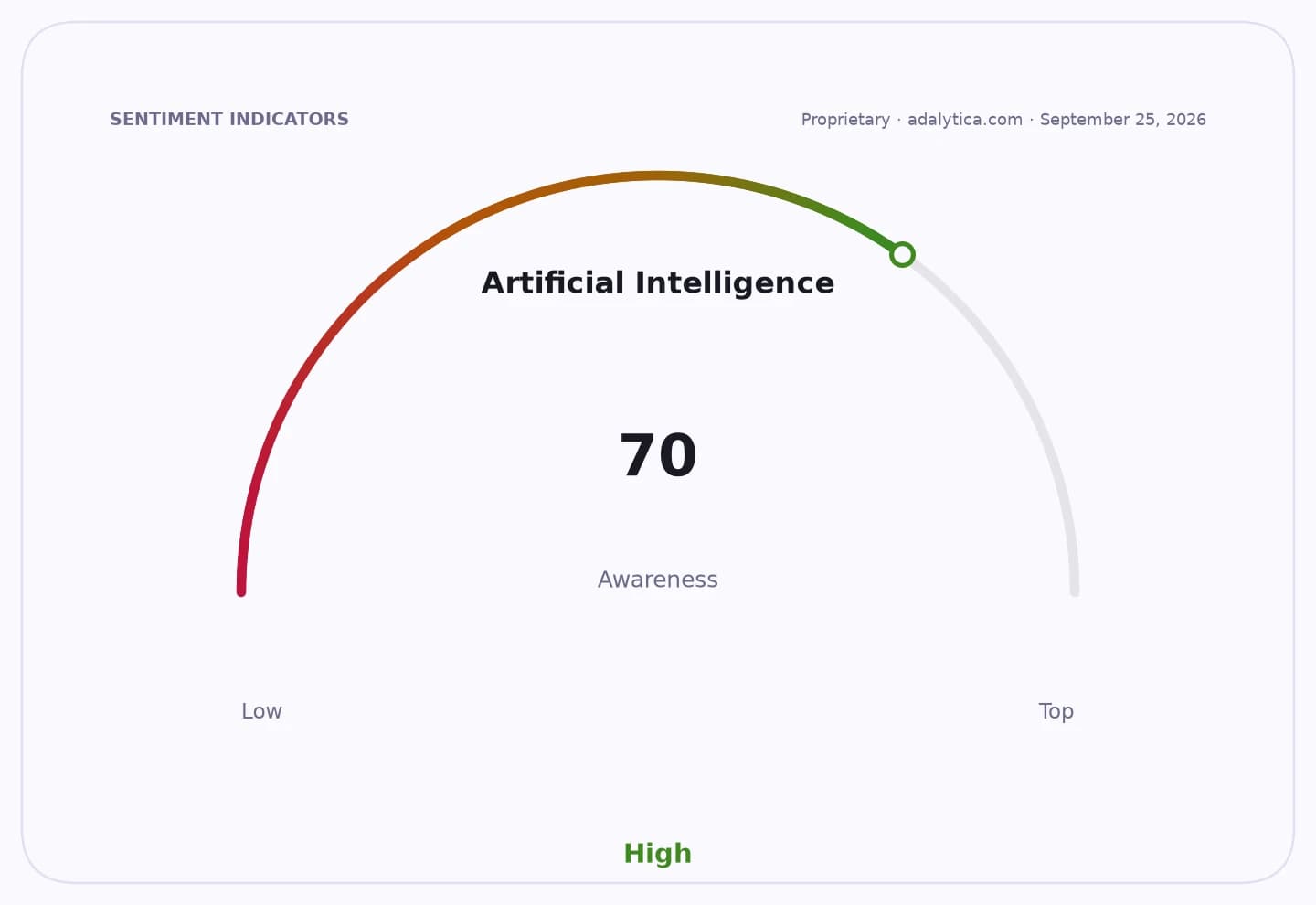
Sentiment IndicatorsⓘProprietary · adalytica.com · September 9, 2026
This is a snapshot — live sentiment, awareness and momentum for 130+ markets update continuously in the dashboard.Open AlphaPulse
Bona said blaming phones, screens or artificial intelligence for Spain’s results is “a simplification,” calling the screen “a symptom” of poor organization, inconsistent sleep and study habits, and weak boundaries at home and in schools. He also said the core challenge is “what that screen is replacing,” pointing to attention as the biggest casualty.
The PISA fallout lands in a market already focused on education technology and digital learning, where investors are weighing whether online tools help close achievement gaps or simply accelerate distraction. Shares of tutoring and language-learning names have also been volatile: TAL Education Group is around $11.44, down from a recent September 4 close of $12.40, while Chegg has slid to 76 cents from $1.55 in late May. Duolingo, by contrast, remains far above those levels at $139.24, though it has pulled back from a September 4 close of $154.46.
Technical indicators reflect that divergence. TAL’s 50-day moving average sits at $11.23 and its RSI reading is 40.9, suggesting the stock has cooled after a late-October spike. Chegg’s RSI is 49.8, while Duolingo’s has fallen to 42.9 from 75.0 just five sessions earlier, showing momentum has faded after a strong run.
The policy backdrop is also turning more sensitive as governments debate screen limits, AI use in schools and how to rebuild reading habits. For investors, the next catalyst is whether education ministries respond with tighter device rules, curriculum changes or literacy interventions — moves that could reshape demand for digital learning products and the companies selling them.
| Entity | Gains | Losses |
|---|---|---|
| Schools and teachers | ▲More focus on reading and routines | ▼Pressure to fix deeper learning gaps |
| Edtech firms | ▲Demand for better-designed learning tools | ▼Scrutiny over screen-heavy products |
| Employers | ▲Potentially stronger future talent pipeline | ▼Higher training costs if skills stay weak |
| Students | ▲Better attention and literacy outcomes | ▼Less digital convenience in class |