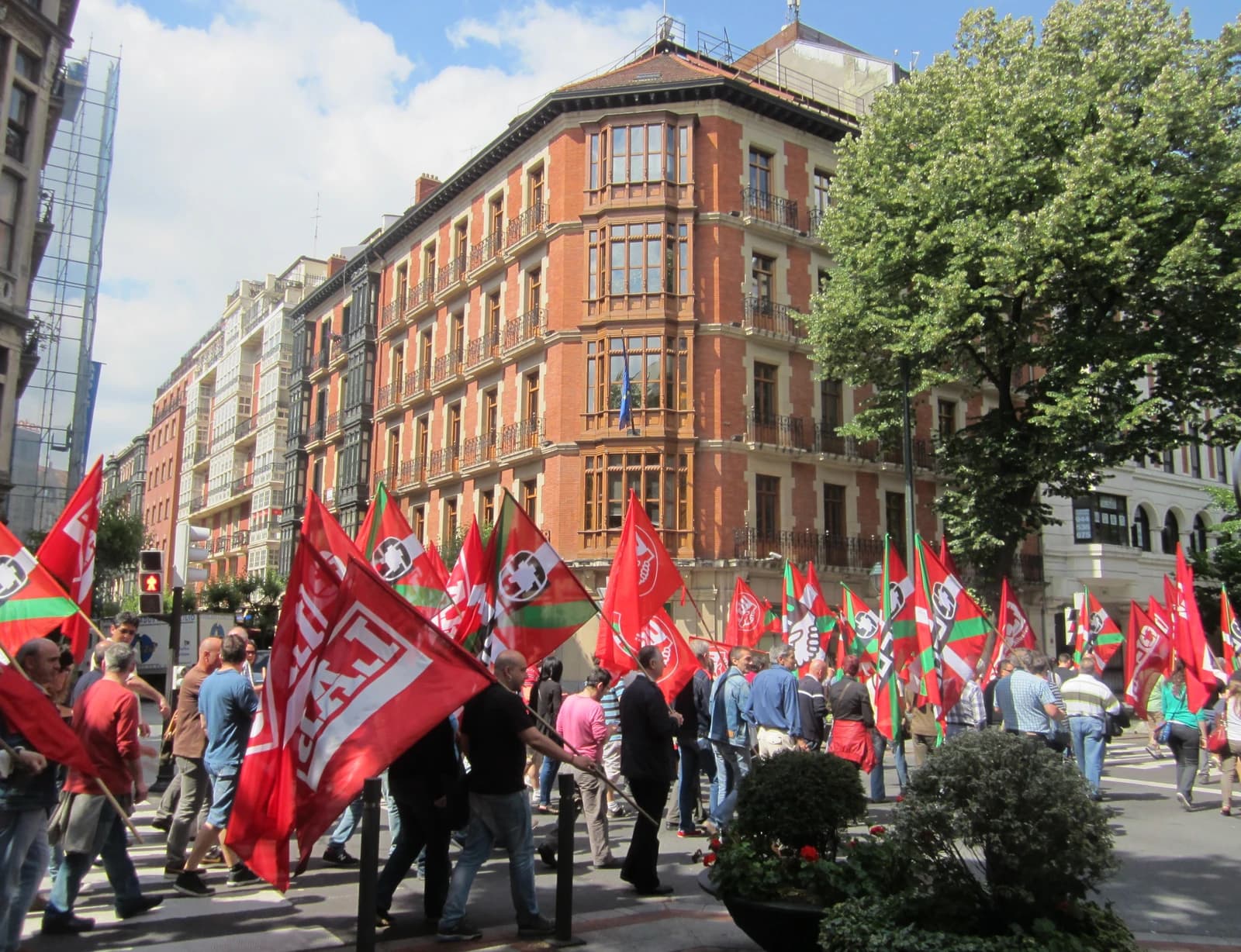
Spain’s transport and healthcare labor unrest is widening into a cross-border political risk as unions in Spain and Portugal discuss a joint general strike, threatening fresh disruption to rail travel, public services and consumer activity across the Iberian Peninsula.
Spain Rail Strike Risk Spreads Across Iberia
The immediate economic significance is less about one stoppage than the prospect of prolonged labor friction in two economies still sensitive to transport bottlenecks and public-sector wage pressure. With Renfe workers set to strike in Spain on Thursday over safety concerns, the action is expected to hit Cercanías commuter lines in Madrid and other regions, adding to cancellations and limited alternatives for travelers already caught up in recent railway accidents.
Sentiment Indicators
The timing matters because the rail strike lands alongside separate doctors’ walkouts in Madrid, Catalonia and the Valencian Community, signaling that frustration is no longer confined to one sector. A broader stoppage would raise the cost of commuting, squeeze tourism and logistics, and increase pressure on governments to negotiate before industrial action spills further into the wider economy.
For investors, the risk is a short-term hit to mobility-dependent sectors and a reminder that labor unrest can quickly move from headline noise to operational disruption. The news also lands in a market backdrop where investors are already alert to European growth risks, with Adalytica’s PMI recession gauge at 29, reflecting elevated concern over slowing industrial momentum.
Spanish railway operator Renfe is the most direct casualty, while airlines, hospitality firms and retailers could benefit only if travelers shift away from rail, though broader disruption would likely outweigh any gains. Portuguese and Spanish governments are the main stakeholders under pressure, while commuters and passengers face the immediate cost.
The next catalyst is whether officials open talks fast enough to prevent a coordinated Iberian strike from moving beyond a protest threat into a broader shutdown of transport and public services.
| Entity | Gains | Losses |
|---|---|---|
| Renfe passengers | ▲Possible safety concessions | ▼Rail cancellations and delays |
| Airlines and buses | ▲Some diverted demand | ▼Spillover from wider travel chaos |
| Spanish and Portuguese governments | ▲Chance to negotiate | ▼Political pressure and public anger |
| Unions and striking workers | ▲Bargaining leverage | ▼Pay and safety risks if talks stall |