Spain’s university year is becoming the most expensive on record, with monthly costs for a student now reaching as much as €1,800 and forcing more families to borrow to keep children in education.
Spain university costs hit record on rent and loans

That matters because the crunch is being driven less by tuition than by housing, transport and day-to-day living costs, turning access to higher education into a household balance-sheet problem. About 15% of families with university students are expected to take out a bank loan, according to the data cited by legal-services platform Justalia, which would amount to roughly 240,000 students and their households.
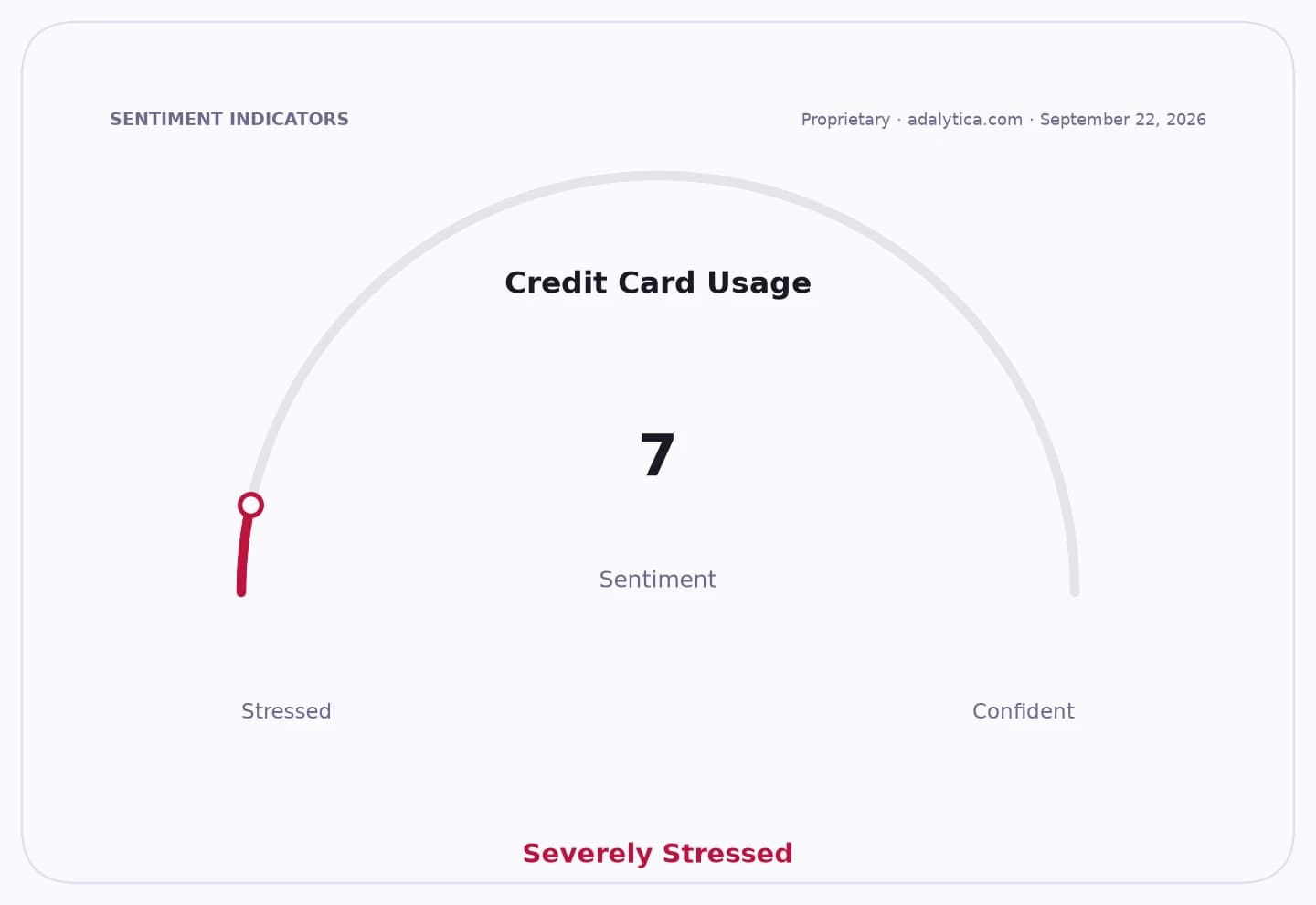
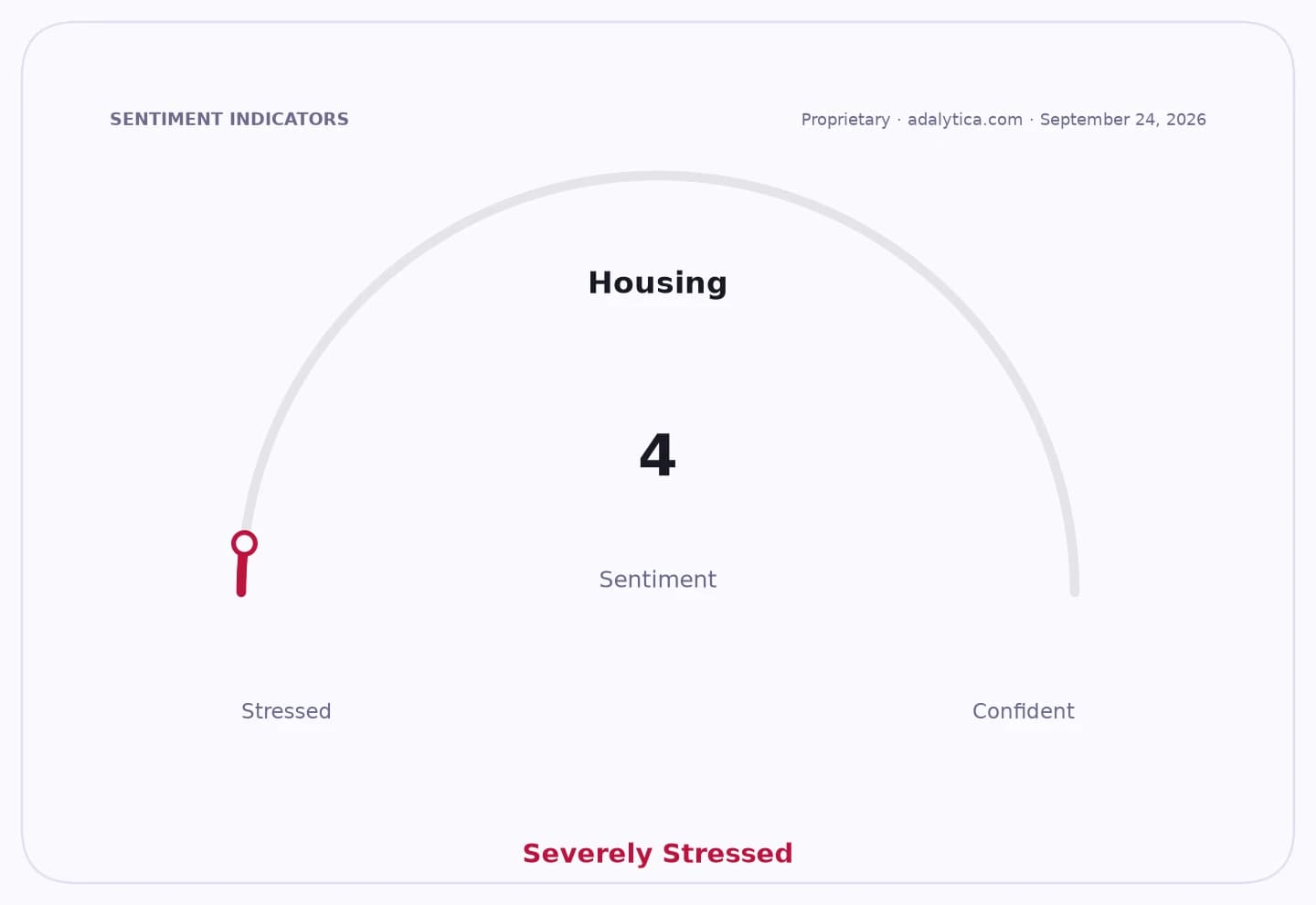
Sentiment IndicatorsⓘProprietary · adalytica.com · September 17, 2026
This is a snapshot — live sentiment, awareness and momentum for 130+ markets update continuously in the dashboard.Open AlphaPulse
The biggest strain is accommodation. In major university cities, rent for a room has risen sharply as a shortage of available flats and residences collides with a large annual migration of students. The average room now costs 689 euros a month in Madrid and 735 euros in Barcelona, according to the OCU consumer group, with city-wide and district-level differences that can add more than 3,000 euros a year to a family’s bill. In Barcelona, rooms in Dreta de l’Eixample and Sant Gervasi-Galvany are among the priciest, while in Madrid the gap between outlying districts and central areas is wide.
For households, the economics are straightforward and brutal: the cost of sending a child to university is increasingly absorbing a larger share of disposable income, pushing some parents into longer-dated consumer borrowing and others onto credit cards. Justalia said some banks are offering loans of as much as 80,000 euros over 10 years, a sign that lenders see a growing market in student financing. But the spread of revolving cards and other short-term credit also raises the risk of debt becoming structural rather than temporary.
For investors, the story has several angles. Spanish banks and consumer lenders can benefit from higher demand for education-linked lending, but only if credit quality holds. A rise in unsecured household debt would eventually feed through to delinquencies, particularly if high rents and weak wage growth continue to squeeze younger households. The pressure also reinforces broader affordability issues in Spain’s rental market, where tight supply in Madrid, Barcelona, Valencia and other university hubs is keeping upward pressure on prices.
The macro backdrop makes the burden harder to absorb. Euro-area inflation has eased from its peaks, but Spain’s cost of living remains elevated enough to bite into student budgets, while borrowing costs are still far above the near-zero era that made household credit cheap. That leaves families less room to finance education out of cash flow and increases the appeal — and the danger — of debt.
The bull case for lenders is that education spending is relatively resilient: families often prioritize it even in tighter conditions, and the loan market is still small enough to grow. The bear case is that this is a low-quality form of consumer credit tied to one of the most strained parts of the Spanish housing market, where affordability problems could worsen if rents keep climbing.
For policymakers, the message is that university access is becoming inseparable from housing policy. Unless accommodation supply expands in student cities, the true cost of a degree is likely to keep rising, and more Spanish families will have to borrow just to keep pace.
| Entity | Gains | Losses |
|---|---|---|
| Banks and consumer lenders | ▲More demand for student loans | ▼Higher credit risk if repayments strain households |
| Landlords and room-rental owners | ▲Higher rents and occupancy | ▼Little downside if supply stays tight |
| Families with university students | ▲Access to financing options | ▼Rising debt burden and reduced disposable income |
| Universities and student cities | ▲Sustained enrollment demand | ▼Pressure from affordability and housing shortages |