Spanish Treasury bills are drawing renewed attention from savers, but the real story is that inflation is still outrunning the yield, leaving many investors with a loss in purchasing power even as nominal returns improve.
Spanish Treasury bills yield near 2.9%

That is why the latest rise in short-dated sovereign yields matters. The Spanish Treasury has pushed marginal rates on bills higher across the curve, with three-month paper at 2.464%, six-month bills at 2.641%, nine-month bills at 2.783% and 12-month bills at 2.846%, close to 2.9% in the secondary market. Those are the best levels in nearly two years and reflect stronger demand for public debt as investors seek safety amid geopolitical तनाव, higher sovereign borrowing costs and the prospect of tighter European Central Bank policy.
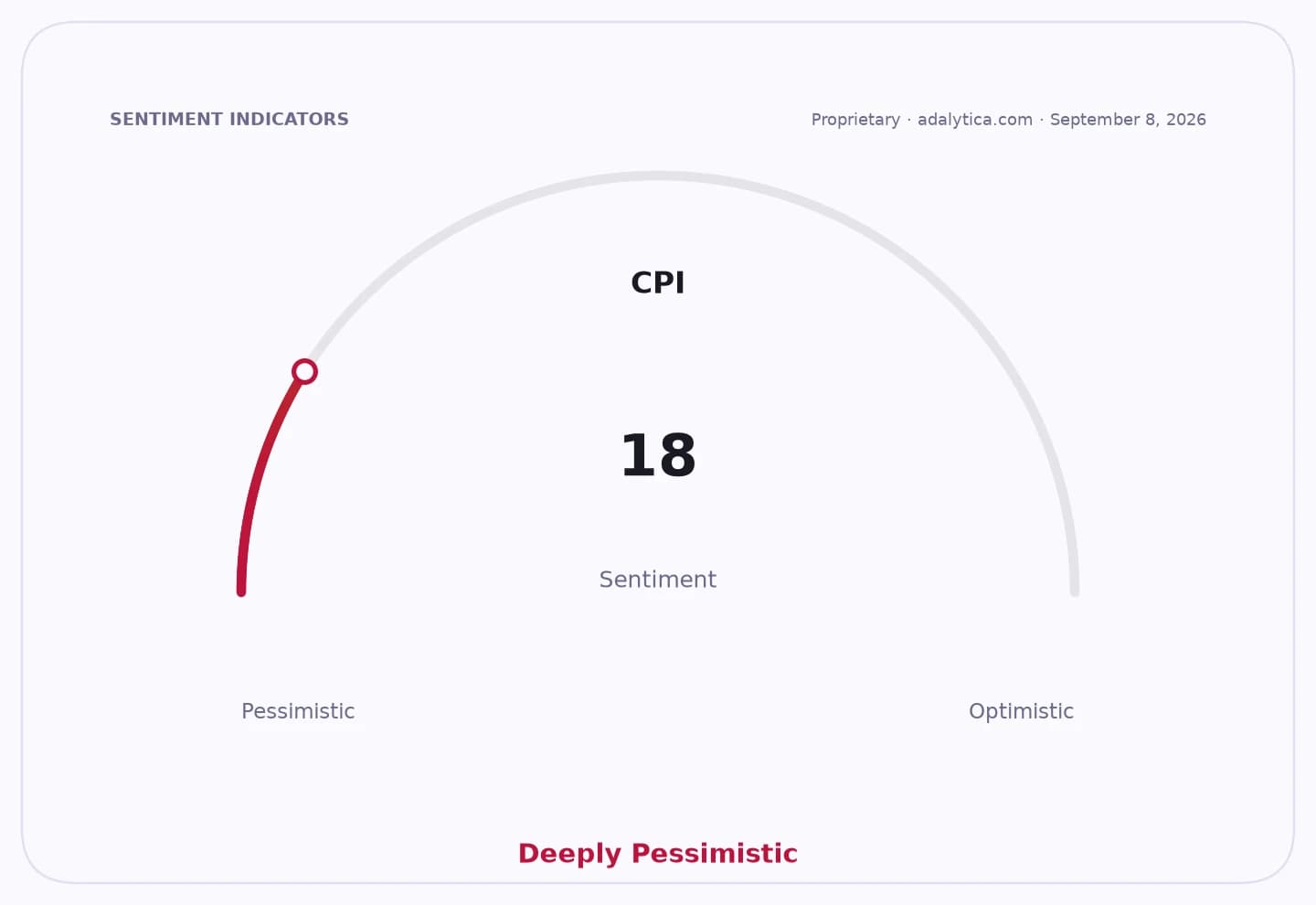
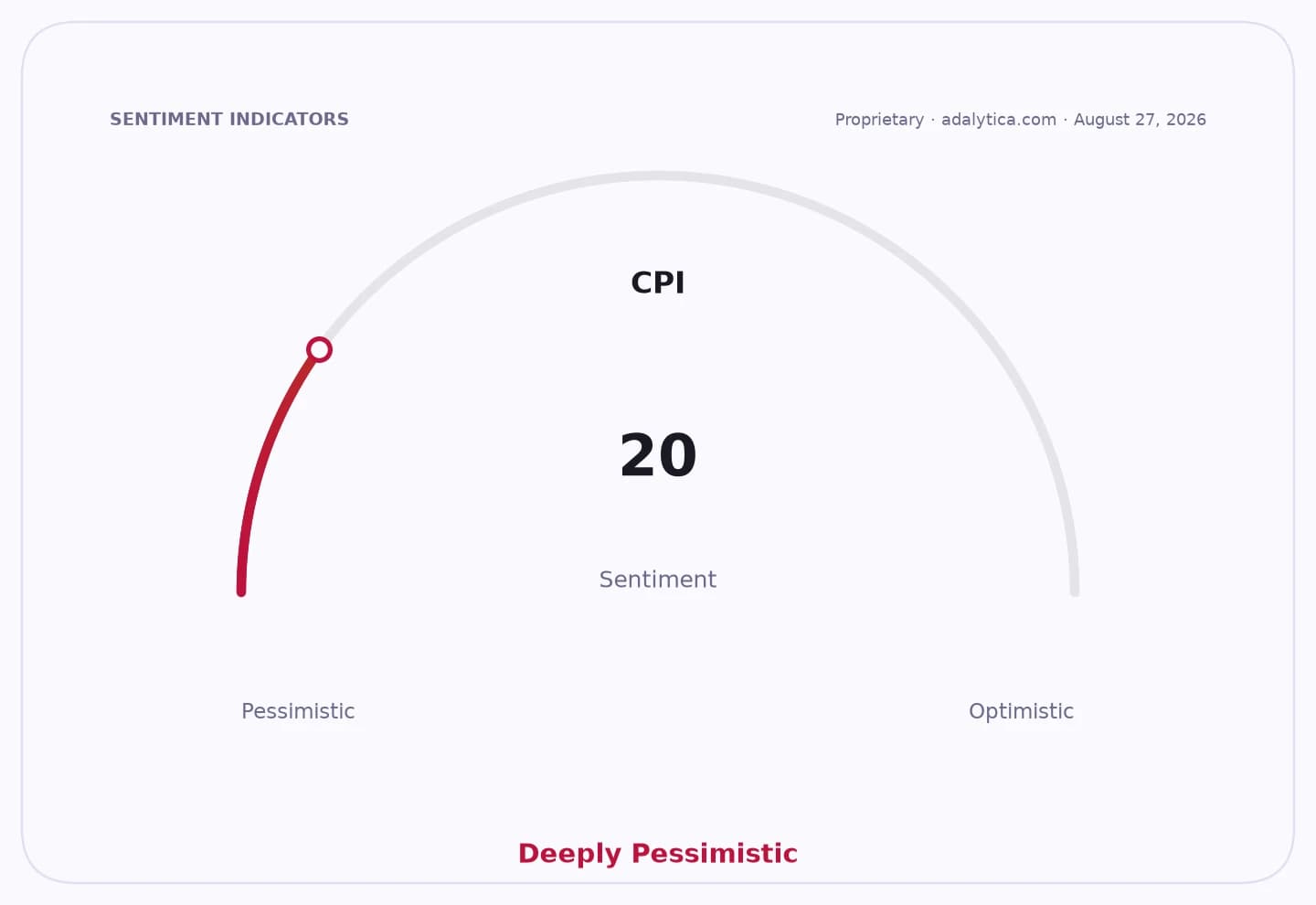
Sentiment IndicatorsⓘProprietary · adalytica.com · September 9, 2026
This is a snapshot — live sentiment, awareness and momentum for 130+ markets update continuously in the dashboard.Open AlphaPulse
For households, the appeal is obvious: a government-backed instrument that offers a predictable return and easy access through Spain’s Treasury or the Bank of Spain. For markets, it is another sign that risk aversion is alive and well. When ordinary savers move toward short-term government debt, it usually means confidence in equities and riskier savings products has weakened, even if the move is driven more by caution than conviction.
But the headline yield is not the number that matters most. With Spanish consumer prices running at 4.3% year over year, a 12-month bill yielding just under 3% still leaves a negative real return. In plain English, an investor who locks money into these bills is preserving capital better than in a low-yield environment, but not fully keeping pace with the cost of living. That gap is the core economic message here: nominal safety is not the same as protecting wealth.
This is also why the broader bond market backdrop is so important. Rising global yields, including a U.S. 10-year Treasury yield around 4.8%, show that fixed income is no longer the easy refuge it was when rates were near zero. The conventional technical indicators on the U.S. 10-year yield also point to firm momentum, with the price sitting above its 50-day and 200-day moving averages and the RSI elevated, underscoring how stubborn the inflation-and-rate story has become.
For investors, the implications are mixed. Conservative savers can finally earn something on cash-like instruments, but they should not confuse a 3% coupon with a winning real return when inflation is higher. Equity investors, meanwhile, face a more demanding backdrop because higher yields raise the hurdle rate for stocks and can compress valuations, especially for companies whose profits are far in the future.
The long-term lesson is simple: in an inflationary world, the safest-looking choice can still erode wealth if it fails to beat prices. Spanish Treasury bills may be useful as a parking place for cash or a short-term diversification tool, but they are not a substitute for a broader investing plan built to outpace inflation over years, not months. For patient investors, they are worth watching, not worshipping.
| Entity | Gains | Losses |
|---|---|---|
| Spanish Treasury | ▲Easier funding | ▼Higher interest costs |
| Savers buying bills | ▲Safer short-term parking | ▼Real returns below inflation |
| Stocks and risk assets | ▲— | ▼Competing with higher yields |
| Inflation | ▲— | ▼Erodes purchasing power |