Higher inflation is forcing investors to demand more income from government debt, and that is pushing Treasury yields toward levels that matter for everyone from savers to the U.S. Treasury itself.
Treasury Yields Rise as Inflation Stays Elevated
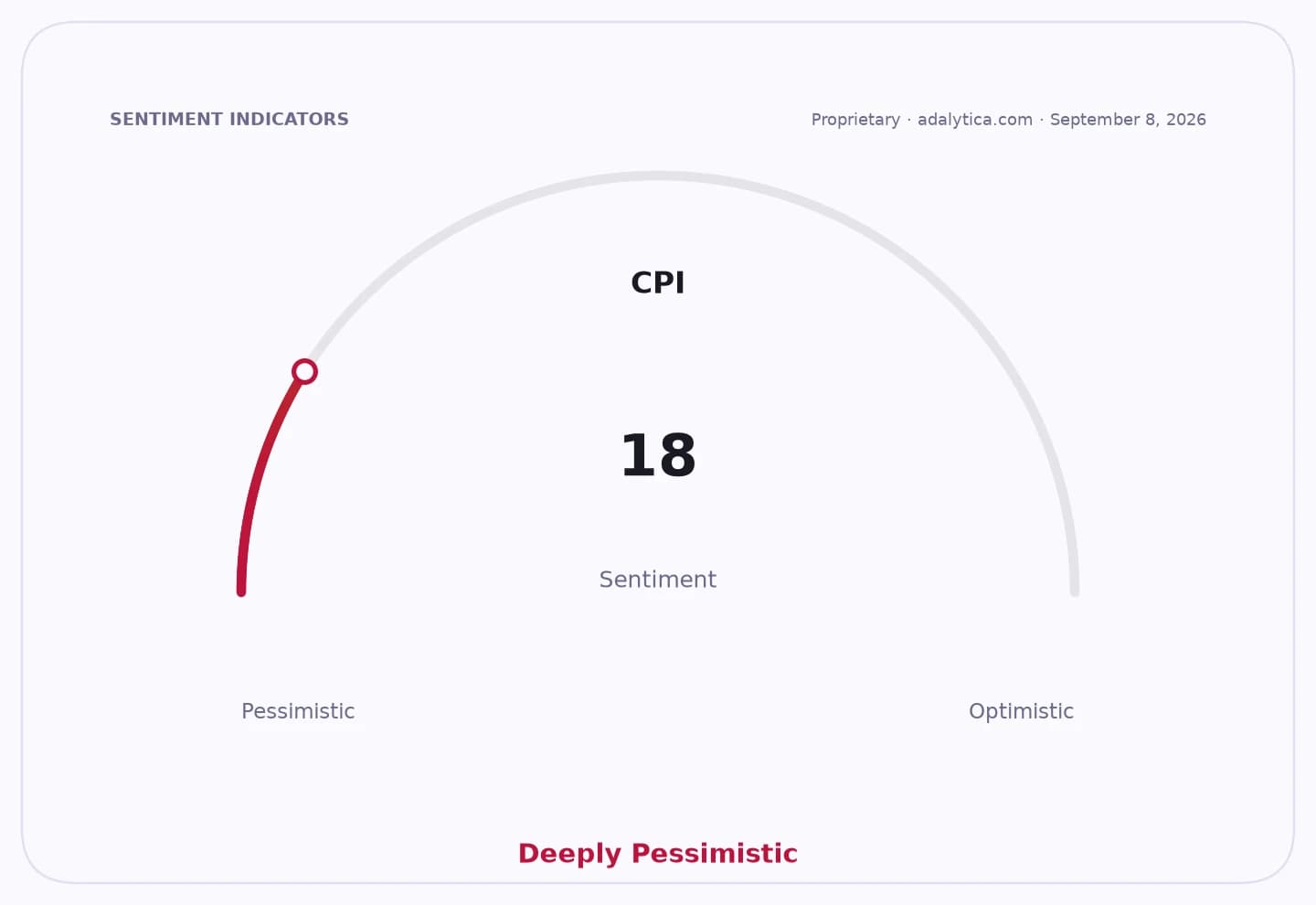
For long-term investors, the message is simple: when the cost of living stays elevated, nominal yields have to rise just to preserve purchasing power. That is exactly the logic Manuel Pinto laid out in the seed headline — and it explains why bond markets are still so sensitive to inflation even after years of central bank tightening.
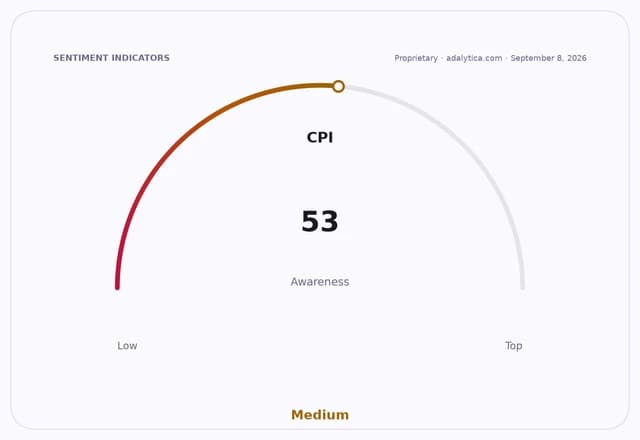
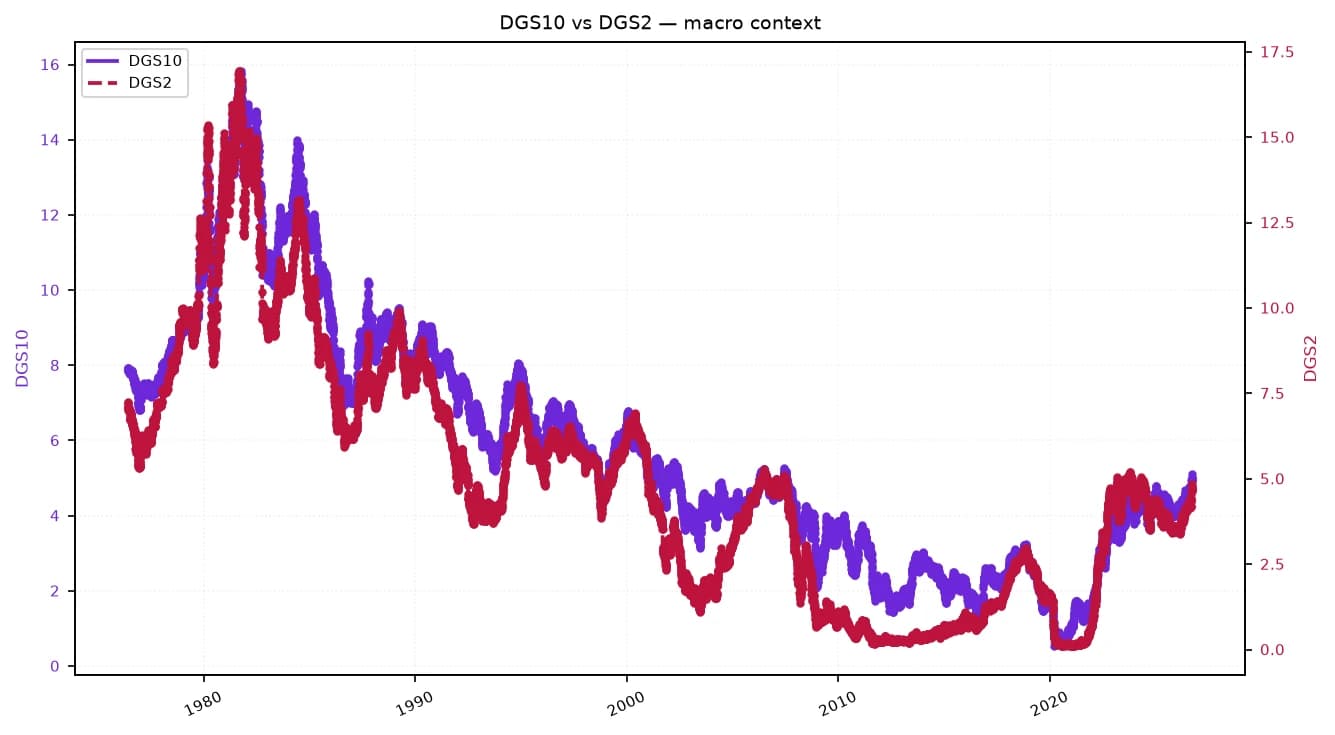
The 10-year Treasury yield was recently trading around 4.78%, above its 50-day moving average of 4.63% and 200-day average of 4.36%, a sign that the broader trend in rates remains firm. The 10-year is also pressing near the upper end of its recent Bollinger Band range, while RSI readings in the mid-50s suggest the move is strong but not yet extreme.
That matters economically because higher yields raise borrowing costs across the system. The U.S. government pays more to finance deficits, companies face a higher hurdle rate on new projects, and households ultimately see tighter credit conditions filter through mortgages, auto loans and other debt. In other words, inflation does not just hurt consumers directly — it also rewrites the pricing of capital.
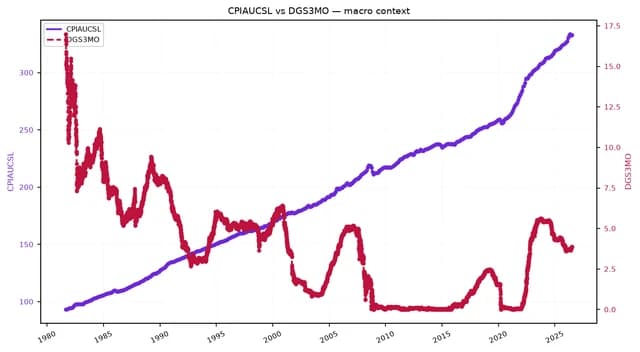
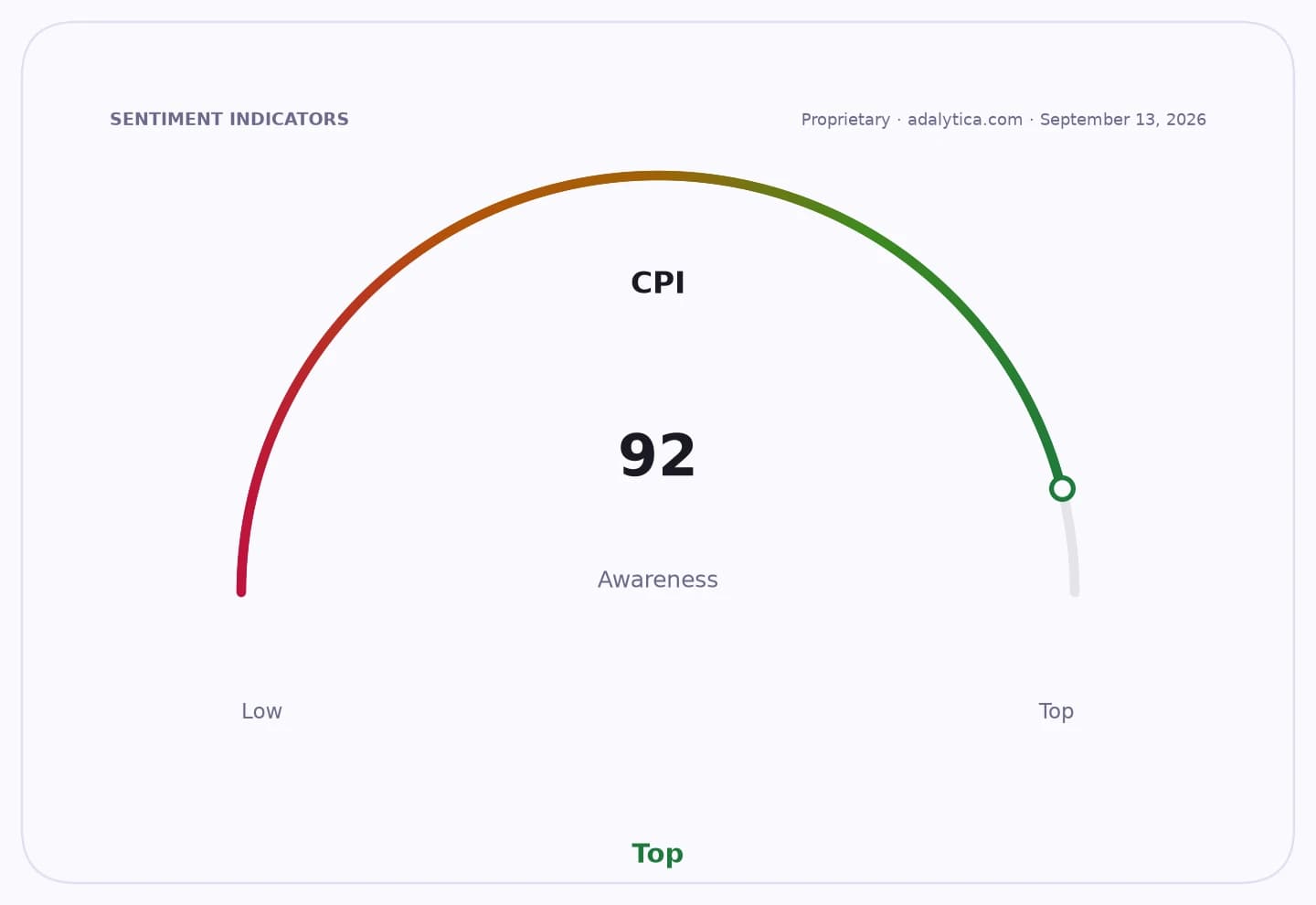
The inflation backdrop is still uncomfortable. The latest CPI data in the context shows inflation at 4.3%, above the roughly 3% return on one-year Spanish Treasury bills cited in the source article. That spread is the key point for investors: if your yield is below inflation, your real return is negative, even on “safe” assets.
That dynamic is why bond buyers have become more selective and why inflation-protected assets are staying relevant. The iShares 20+ Year Treasury Bond ETF, TLT, has stabilized recently around 82.21 after a weak stretch, but it still sits below its 200-day average of 84.59, reflecting continued pressure on long-duration bonds. By contrast, the iShares TIPS Bond ETF, TIP, has been far steadier near 106.97 and is roughly in line with its 50-day and 200-day averages, showing that inflation-linked debt remains a useful hedge when price growth refuses to fade.
The bigger narrative is that this is no longer just a short-term rate story. It is a competition between inflation, fiscal needs and investor return expectations. As long as prices remain sticky and central banks keep policy restrictive, governments will have to offer more yield to attract capital. That is good news for new bond buyers seeking higher income, but it is bad news for existing holders of long-duration debt and for borrowers more broadly.
For investors, the takeaway is not to chase yield blindly. It is to recognize that in an inflationary world, real return is what counts. Treasury bills may look attractive again, but only if the yield beats inflation by enough to preserve wealth over time. That makes high-quality bonds, inflation protection and diversification worth holding onto — not for the next few weeks, but for the next several years.
| Entity | Gains | Losses |
|---|---|---|
| New Treasury buyers | ▲Higher nominal yields | ▼Near-term price risk |
| U.S. Treasury | ▲Easier demand at higher rates | ▼Higher borrowing costs |
| TIPS holders | ▲Inflation protection | ▼Lower upside in disinflation |
| Long-duration bond funds | ▲None | ▼Mark-to-market pressure |