SPY traders are finding that limit orders set on the prior close can miss the open when the ETF gaps higher or implied volatility rises overnight, leaving option prices and fills different from what screens showed after the cash session.
SPY Option Fills Miss Open After Overnight Gap

That matters because SPY, the S&P 500 ETF, is the most widely watched liquid hedge vehicle in U.S. markets, and small overnight repricings can quickly change execution quality for institutions and retail traders alike. When the underlying moves after hours or before the bell, options that looked cheap late in the session can open above a trader’s bid, forcing buyers to chase and sellers to accept worse levels.
The risk is especially visible in a market where SPY is still trading near 762.40, below its 50-day moving average of 758.02 but well above the 200-day average of 710.95, while the ETF’s RSI has slipped to 43.5 from 48.5 two sessions earlier. The recent pullback from the 770 area has also kept traders alert to overnight swings, with conventional indicators showing momentum easing even as the broader trend remains intact.
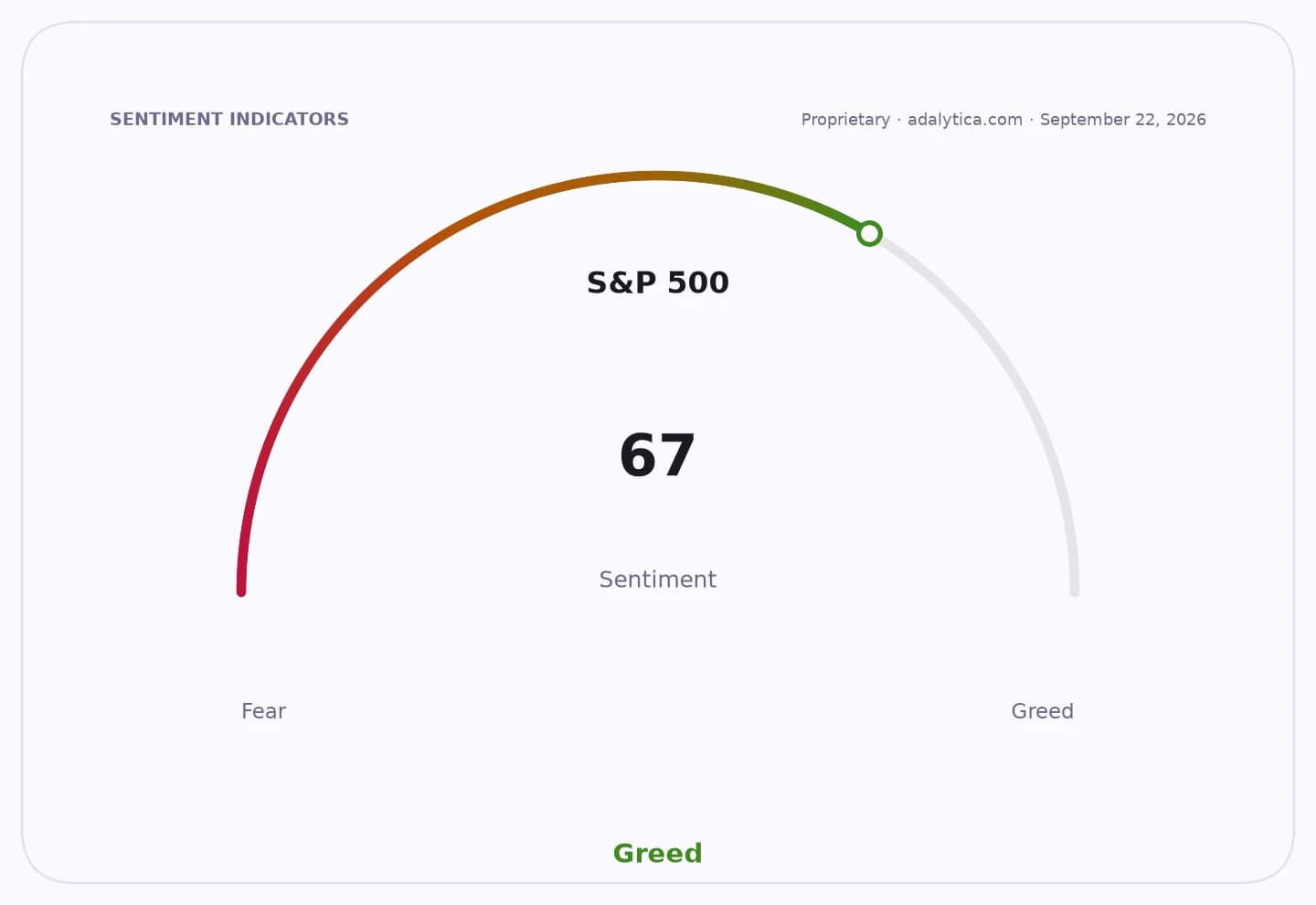
Adalytica’s S&P 500 Trade Signals snapshot points to “Extreme Fear” sentiment at 13, a sharp drop from 43 on Sept. 4 and 58 on July 12, underscoring a more defensive backdrop for index hedging. In that environment, overnight volatility tends to widen the gap between modeled option values and executable prices at the open, particularly for contracts sensitive to changes in implied volatility.
For investors, the practical takeaway is simple: option quotes printed after the close are not guaranteed at the opening auction unless the order routes to extended-hours markets or the pricing assumption already reflects the new overnight state. That can matter for hedgers rolling SPY puts, for funds managing intraday exposure, and for retail traders using limit orders who may think they have locked in a fill when they have not.
The near-term focus now turns to whether SPY can hold the 758 area and whether a further rise in volatility keeps overnight option repricing elevated into the next cash session. If it does, execution risk will remain a bigger story than direction alone.
| Entity | Gains | Losses |
|---|---|---|
| SPY options buyers using live/extended-hours pricing | ▲Better awareness of true cost | ▼Less chance of stale cheap fills |
| Traders relying on overnight limit orders | ▲None | ▼Higher miss rate at the open |
| Market makers and liquidity providers | ▲Wider spreads, more repricing room | ▼More two-sided risk |
| Hedgers and index funds | ▲Better execution planning | ▼Higher slippage if volatility jumps |