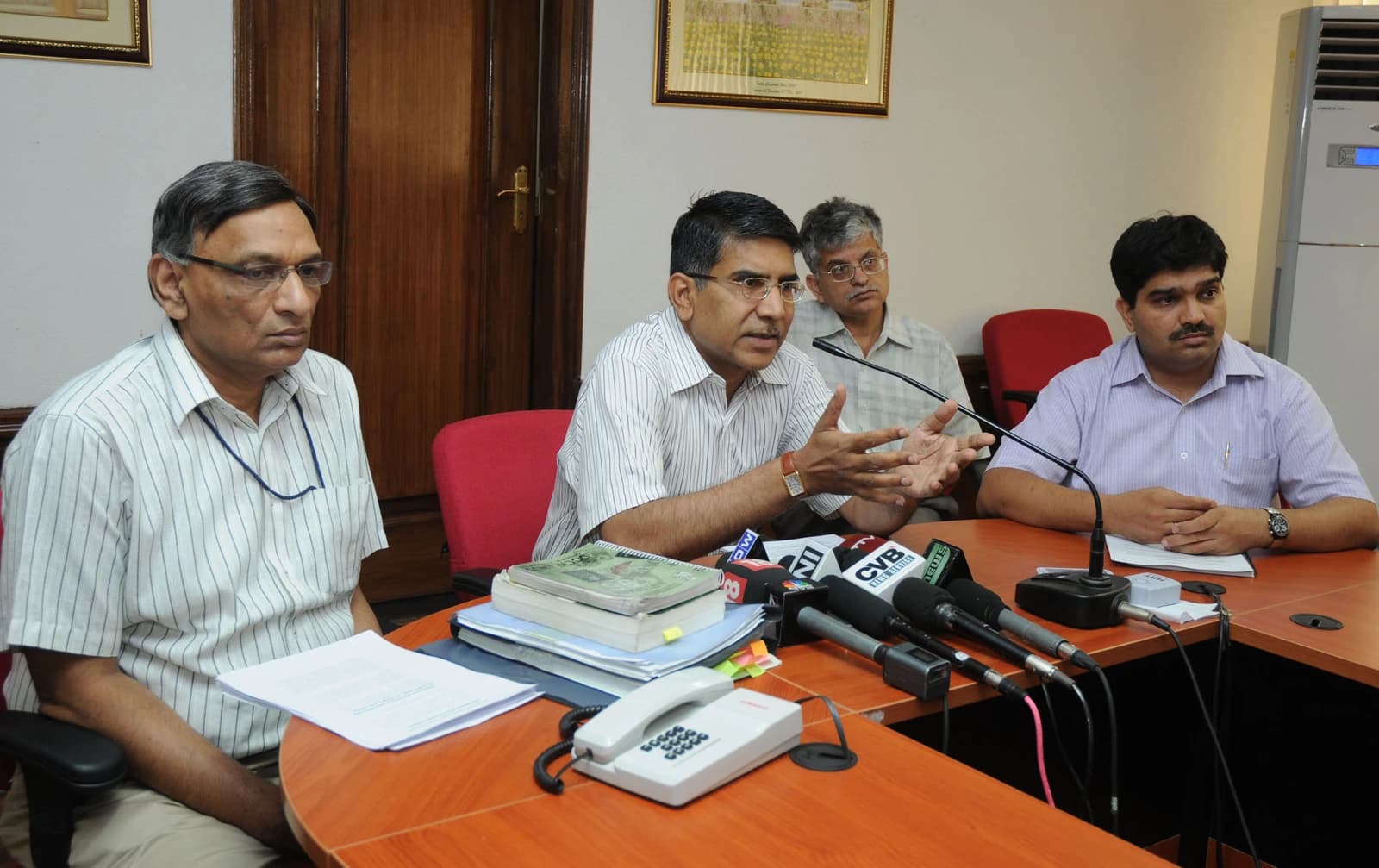
State Bank of India has opened a high-paying, no-exam recruitment drive for three senior specialist posts, underlining how India’s largest lender is still willing to pay for scarce leadership and commercial talent even as much of the country’s hiring market remains cautious.
State Bank of India Recruitment Drive Pays Up to 98 Lakh
The bank is recruiting a dean, faculty member and marketing executive for its State Bank Institute of Leadership in Kolkata, with annual compensation packages of as much as 98 lakh rupees for the dean role, 63 lakh for faculty and 52 lakh for the marketing post. Applications opened on Sept. 16 and close on Oct. 6, with selection to be made without a written test, based instead on shortlisting, interviews and, for academic roles, a demo session.
That makes the move notable beyond the headline pay scale. SBI is not adding frontline branch staff or expanding a mass hiring program; it is targeting niche roles that shape training, leadership development and revenue-facing strategy. In a banking sector where digital transformation, fee income and customer acquisition are increasingly dependent on managerial and institutional capability, the willingness to pay top-end compensation for a handful of specialists signals the premium now attached to experienced talent.
The structure of the recruitment also reflects the market for senior banking professionals. The dean role requires at least 15 years of experience and leadership exposure, while the faculty post needs six years of teaching or training experience and the marketing executive role calls for five years in marketing. By bypassing a written exam, SBI is effectively treating these appointments more like executive searches than conventional public-sector hiring, which should widen the pool to seasoned candidates who may not be interested in test-based recruitment.
For investors, the immediate financial impact is negligible given SBI’s scale, but the strategic signal is more important. Senior hiring of this kind can improve training quality at the group’s leadership institute and support longer-term productivity in a banking system that increasingly competes on execution, customer retention and digital product adoption. The downside is that such compensation packages, while limited in number, add to the broader upward pressure on employee costs across Indian financial institutions as they compete for a thin talent pool.
The bigger narrative is that large banks are increasingly competing for expertise the way private-sector employers do, even within a regulated and traditionally hierarchical hiring framework. If SBI can attract the right candidates, the move could bolster its leadership pipeline; if not, it will reinforce the view that top-tier banking talent in India commands private-market pay regardless of the employer’s size or public-sector pedigree.
| Entity | Gains | Losses |
|---|---|---|
| SBI | ▲Senior talent pipeline | ▼Lower-cost hiring model |
| Applicants with experience | ▲High pay, direct selection | ▼Candidates without credentials |
| SBI leadership institute | ▲Stronger training capability | ▼Slower recruitment process |
| Competing banks | ▲Benchmark for talent market | ▼Higher pay pressure |