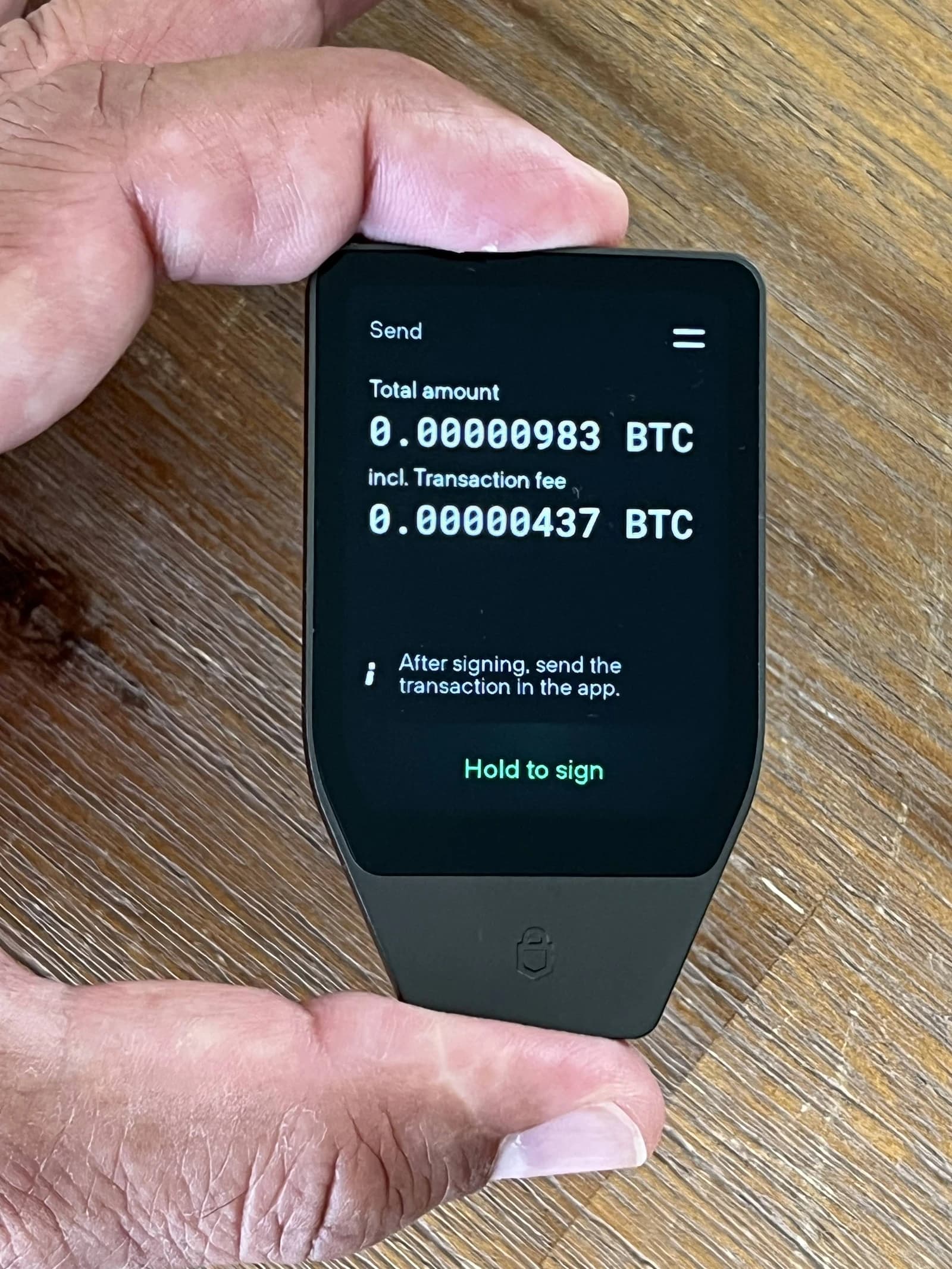
Center’s push to ease the gas crunch has begun with the Summit LNG Terminal delivering about 110 million cubic feet a day of regasified LNG into the national grid, a move that could stabilize supply for power generators, industry and households after months of disruption.
Summit LNG Terminal Delivers 110 MMcf/d to Grid
That matters because energy shortages are not just a utility problem; they are a growth problem. When gas supply tightens, factories curtail output, power costs jump and inflation becomes harder to control. A steady RLNG stream can reduce forced outages, support industrial activity and help narrow the gap between domestic demand and available supply, even if it does not solve the structural shortage on its own.
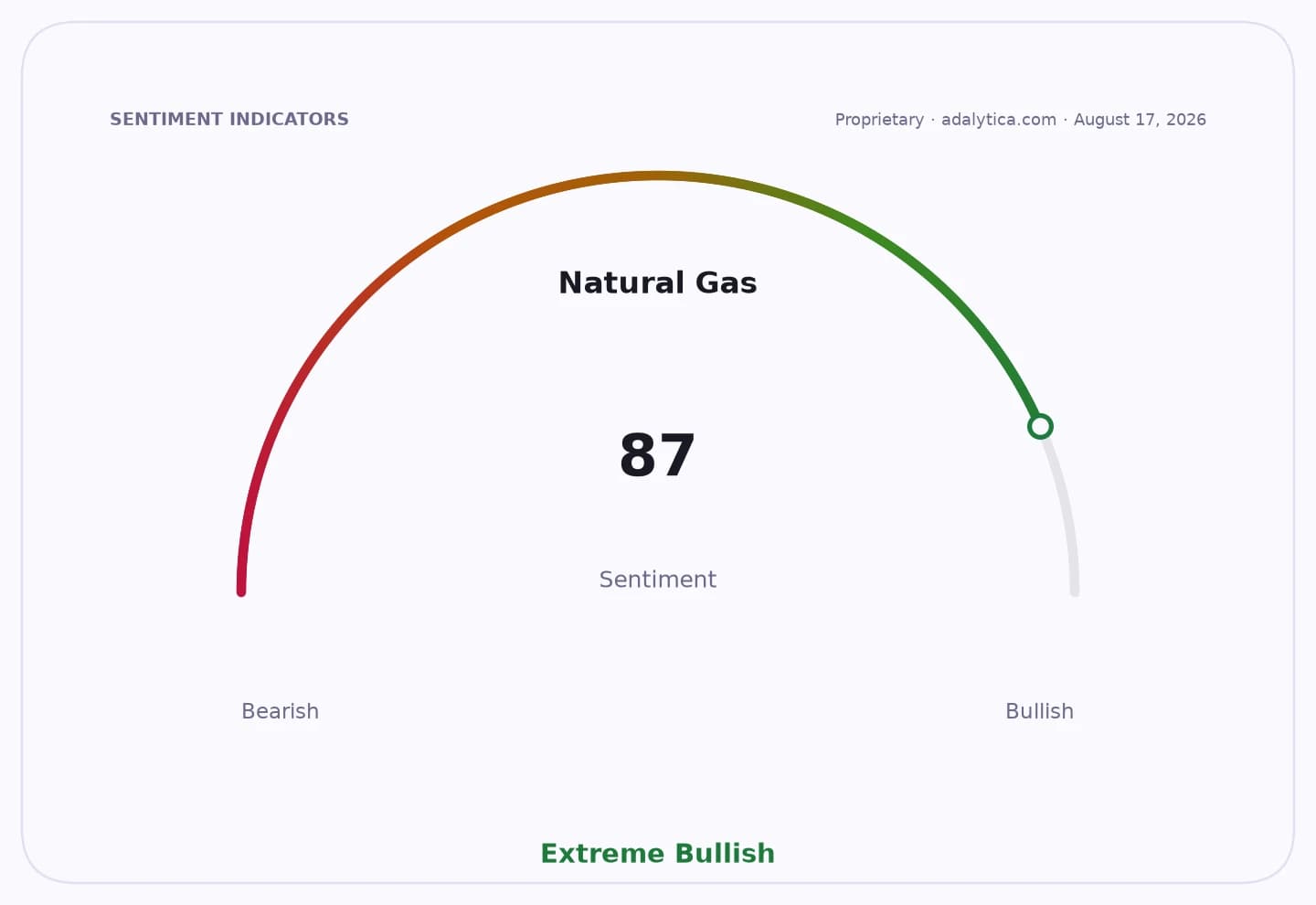
Sentiment IndicatorsⓘProprietary · adalytica.com · August 17, 2026
This is a snapshot — live sentiment, awareness and momentum for 130+ markets update continuously in the dashboard.Open AlphaPulse
The timing also matters for markets. Natural gas prices have been volatile, with global benchmarks swinging sharply and the Adalytica natural gas trade signals showing extreme greed. That kind of heat often reflects a market that is pricing in tighter supply and policy responses. At the same time, the U.S. dollar trade signal is flashing extreme fear, while global stability sentiment sits at extreme fear, a combination that underscores how geopolitical and energy stress can ripple across commodities and capital flows.
For investors, the most important takeaway is that gas infrastructure is becoming a toll road on scarcity. The more governments lean on imported LNG and regasification to fill supply gaps, the more value accrues to terminal operators, pipeline owners, LNG logistics and producers with low-cost molecules to sell into a tighter market. In the U.S., gas-weighted names such as EQT, Range Resources and CNX remain levered to any sustained improvement in pricing, while gas-focused funds like UNG can capture the volatility directly.
Technically, UNG remains below its 200-day moving average even after recent swings, which tells you the trade is still driven by bursts of fear and short covering rather than a clean secular breakout. XOP, by contrast, has been far stronger and sits well above its 200-day moving average, showing that energy equities are already treating commodity tightness as a durable theme.
The market is still underestimating how quickly gas scarcity can force policy change, reroute capital and reset valuations across the energy stack. If this RLNG flow proves reliable, the next catalyst is simple: more imports, firmer domestic pricing and a wider rerating for the companies that own the infrastructure, reserves and optionality to profit from a gas-constrained world. The opportunity is to own the bottlenecks before the market fully prices them in.
| Entity | Gains | Losses |
|---|---|---|
| Summit LNG Terminal | ▲Higher throughput | ▼Idle capacity risk |
| Power utilities and industry | ▲Better gas availability | ▼Less rationing leverage |
| LNG infrastructure owners | ▲Higher utilization | ▼Supply scarcity premium fades |
| Gas consumers | ▲Fewer outages | ▼No relief if prices stay high |