A Vietnamese real estate and resort conglomerate is handing apartments to employees, turning housing into a long-term retention tool at a time when skilled labor is a scarce asset and staff churn can erode margins.
Sun Group Gives Apartments to Employees in Danang
Sun Group said it has awarded the first apartments at its Sol Residence Danang project to employees in recognition of their work and loyalty, timing the giveaway with Vietnam’s Sept. 2 National Day holiday. The company also says staff with at least seven years of service can be considered for homeownership support under its “An Cư Lạc Nghiệp” policy, which it markets as a long-term benefit for employees in Phuket and elsewhere.
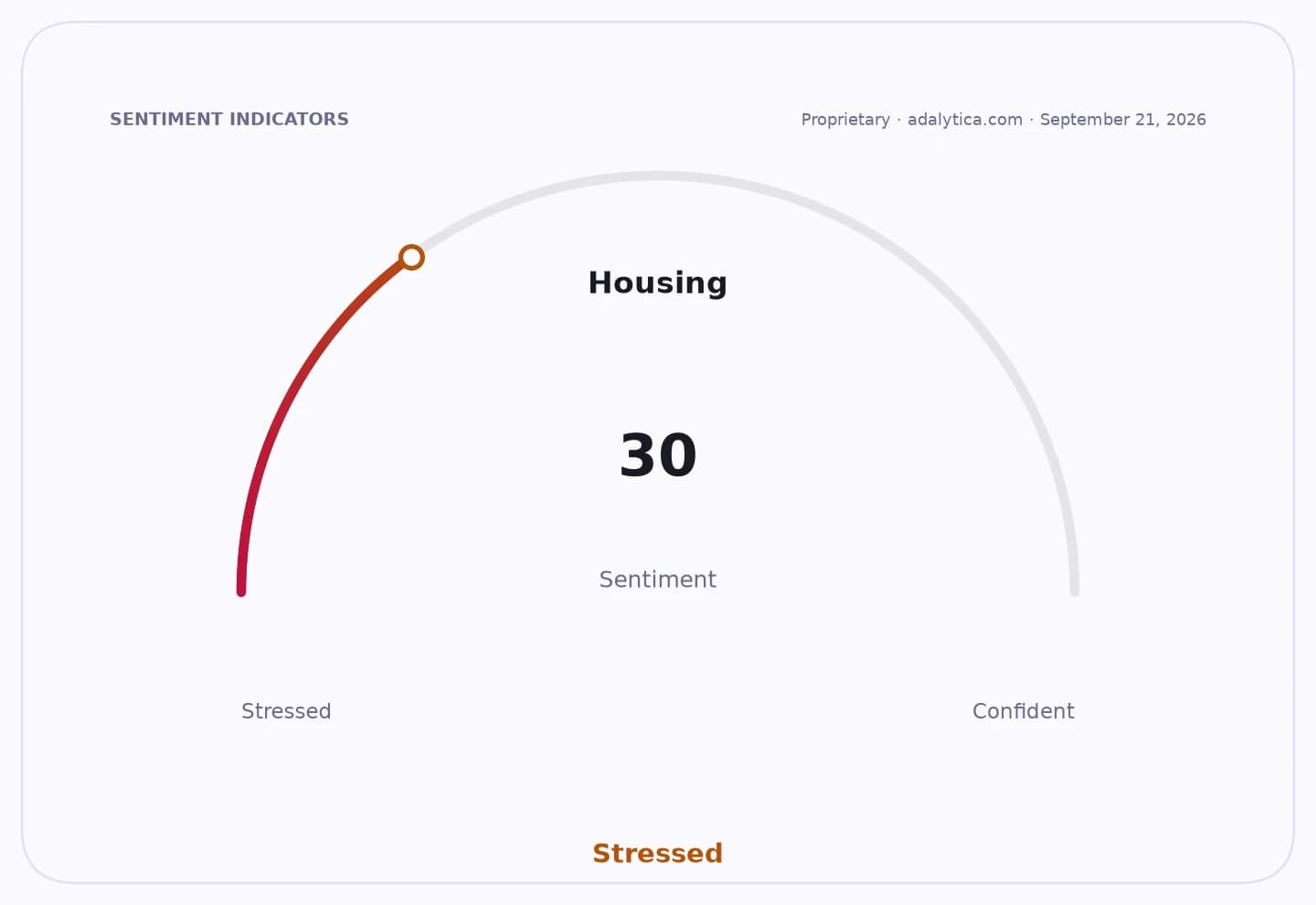
That matters because housing is no longer just a social perk in Vietnam’s property sector — it is becoming a strategic weapon in the fight for talent. For developers, hospitality operators and infrastructure groups, the ability to offer a path to ownership can lower turnover, improve execution and help keep experienced workers tied to companies through property cycles that are often volatile.
The move also underscores how real estate groups are using their own inventory as compensation rather than relying solely on cash bonuses. For employees, an apartment is a far more durable form of wealth than a year-end payment. For employers, it can be cheaper than serial wage hikes if the asset is already built or held in inventory, while also supporting project absorption and brand loyalty.
Sun Group is not alone. FPT Software has run similar housing programs, first offering home support to employees in 2019 and later distributing apartments in Hanoi-area projects to standout staff. Hoàng Anh Gia Lai has also set aside 160 apartments for long-serving workers, illustrating a broader corporate trend in Vietnam: companies are trying to lock in critical labor with a benefit that addresses one of the biggest pressures on urban households — affordability.
For investors, the signal is twofold. First, labor scarcity remains a real operating constraint across consumer-facing and project-driven businesses. Second, developers with deep balance sheets and control over prime assets can create a moat by converting real estate into retention capital. That is especially relevant in a market where property sales, construction execution and resort operations all depend on stable, experienced teams.
The bigger takeaway is that housing is becoming part of the compensation stack in emerging markets where homeownership remains aspirational and wage inflation is sticky. In that environment, the companies most likely to win are not just those with the best land banks, but those that can turn apartments into a long-dated human-capital advantage.
| Entity | Gains | Losses |
|---|---|---|
| Sun Group | ▲employee loyalty | ▼higher inventory use |
| Long-serving staff | ▲homeownership support | ▼less cash comp |
| Competitor developers | ▲little benefit | ▼talent retention pressure |
| Housing buyers/renters | ▲potential supply support | ▼affordability still tight |