One Raffles Quay has emerged as a potential divestment for Suntec REIT, and that matters because a sale of a prime Singapore office asset could force the market to revalue the trust’s portfolio at a time when investors are already hunting for yield, balance-sheet discipline and signs that commercial property is bottoming.
Suntec REIT’s Office Sale Could Reprice the Trust
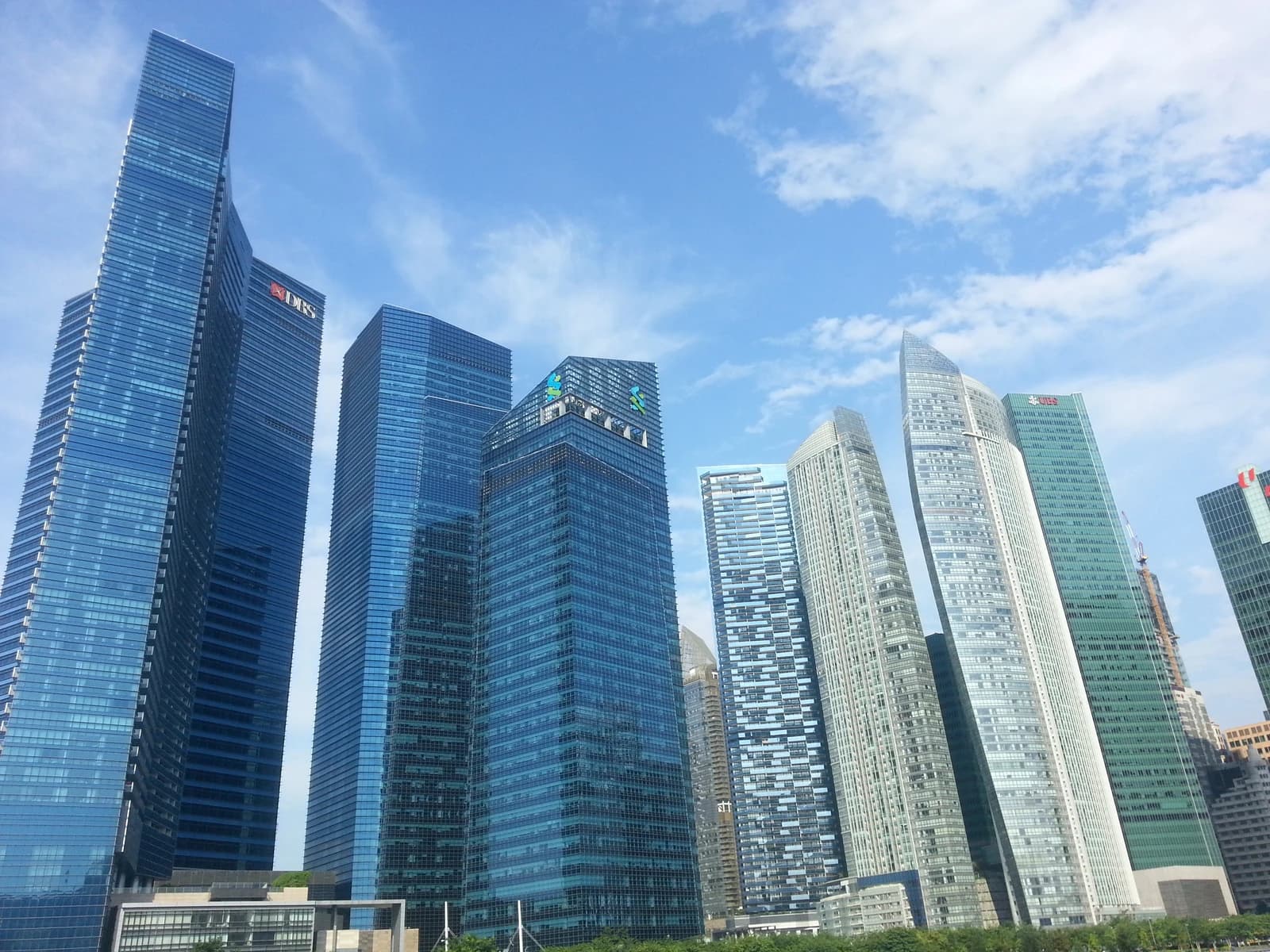
The key issue is not just whether Suntec REIT sells an asset. It is whether management can crystallize value in a market that has spent years punishing office landlords for higher funding costs, softer occupancy in some segments and the persistent discount at which listed REITs trade to net asset value. A successful divestment would do two things at once: reduce portfolio concentration risk and demonstrate that Grade A Singapore office assets still command liquidity, even in a cautious rate environment.
Sentiment IndicatorsⓘProprietary · adalytica.com · July 24, 2026
This is a snapshot — live sentiment, awareness and momentum for 130+ markets update continuously in the dashboard.Open AlphaPulse

That is why the story deserves attention from income investors. REITs have struggled to convince the market that their distributions are secure enough to justify premium multiples, especially as investors rotated toward fixed income and higher-for-longer interest rates squeezed spreads. If One Raffles Quay is sold at an attractive valuation, Suntec REIT could strengthen its capital position, potentially deleverage, and free up optionality for redeploying capital into higher-return assets or debt reduction. In a sector where balance-sheet flexibility is increasingly the differentiator, that is real economic value.
The market is already signaling a more constructive tone toward the REIT complex. Suntec REIT’s units have been holding around 0.88, above their 50-day moving average, while trading back toward the upper end of their recent range. The technical picture is not a thesis by itself, but it does suggest investors are becoming more willing to price in a cleaner story. A disposition of One Raffles Quay would likely sharpen that rerating if the pricing implies limited downside to book value and validates the resilience of Singapore’s core office market.
For investors, the asymmetry is clear. The upside case is that Suntec REIT converts a mature asset into cash at a time when capital values remain under scrutiny, turning a static office holding into something more strategic. The downside case is a weaker-than-expected sale price, which would reinforce fears that commercial property values still have not fully reset. Either way, the transaction would be a signal event for the sector, because listed Singapore REITs are still being judged on whether they can actively manage portfolios rather than simply harvest rent.
The broader takeaway is that the winners in this phase of the property cycle are not the owners of the most buildings; they are the owners of the most optionality. If Suntec REIT can monetise One Raffles Quay on acceptable terms, the market may start to view it less as a slow-moving office trust and more as a capital allocator with a path to hidden value realization. For investors looking ahead, that makes the name worth watching now, before the divestment story becomes consensus.
| Entity | Gains | Losses |
|---|---|---|
| Suntec REIT | ▲Cash proceeds, lower leverage | ▼Concentration risk if sale disappoints |
| Unitholders | ▲Potential rerating, stronger balance sheet | ▼Risk of subpar sale price |
| Singapore office market | ▲Liquidity signal, valuation support | ▼Exposure if pricing comes in weak |
| Competing REITs | ▲Sector validation if deal prices well | ▼Pressure to explain weaker asset quality |