A punishing Super El Niño is turning weather into an inflation story, and that matters because food prices still bite hardest when they move first and fastest. In places such as Indonesia, where crop patterns are already being distorted, the climate shock could lift food inflation as much as 9% and force governments to spend more on subsidies and emergency rice aid just to keep basic staples affordable.
Super El Niño lifts Indonesia food inflation to 9%
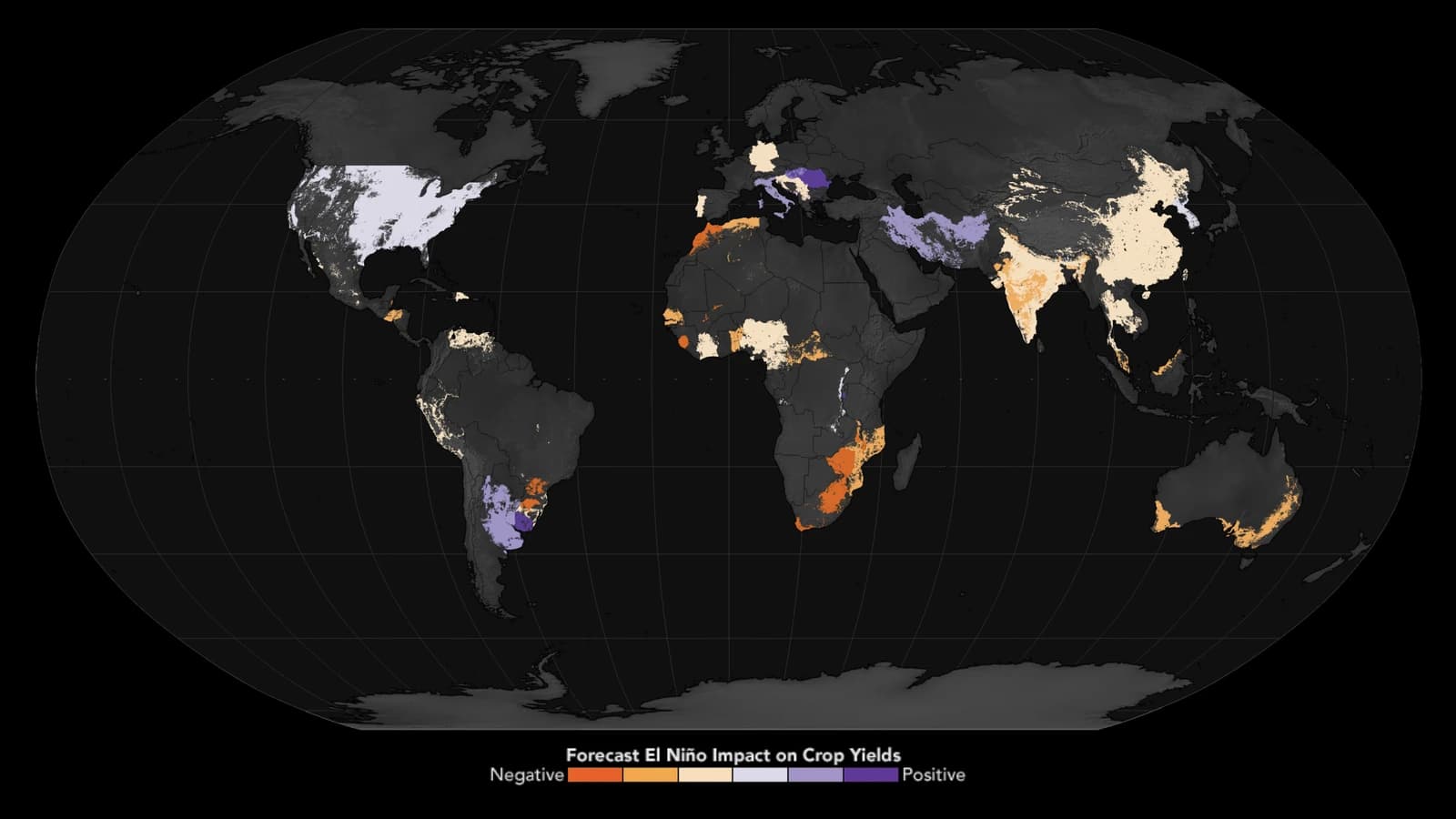
That is the real economic risk investors should focus on: when food inflation accelerates, it does not stay confined to farms. It ripples through household budgets, raises operating costs for restaurants and grocers, and can complicate policy choices for central banks trying to judge whether inflation is temporary or persistent. In emerging markets, where food carries a much heavier weight in consumer baskets, the impact can be especially sharp.
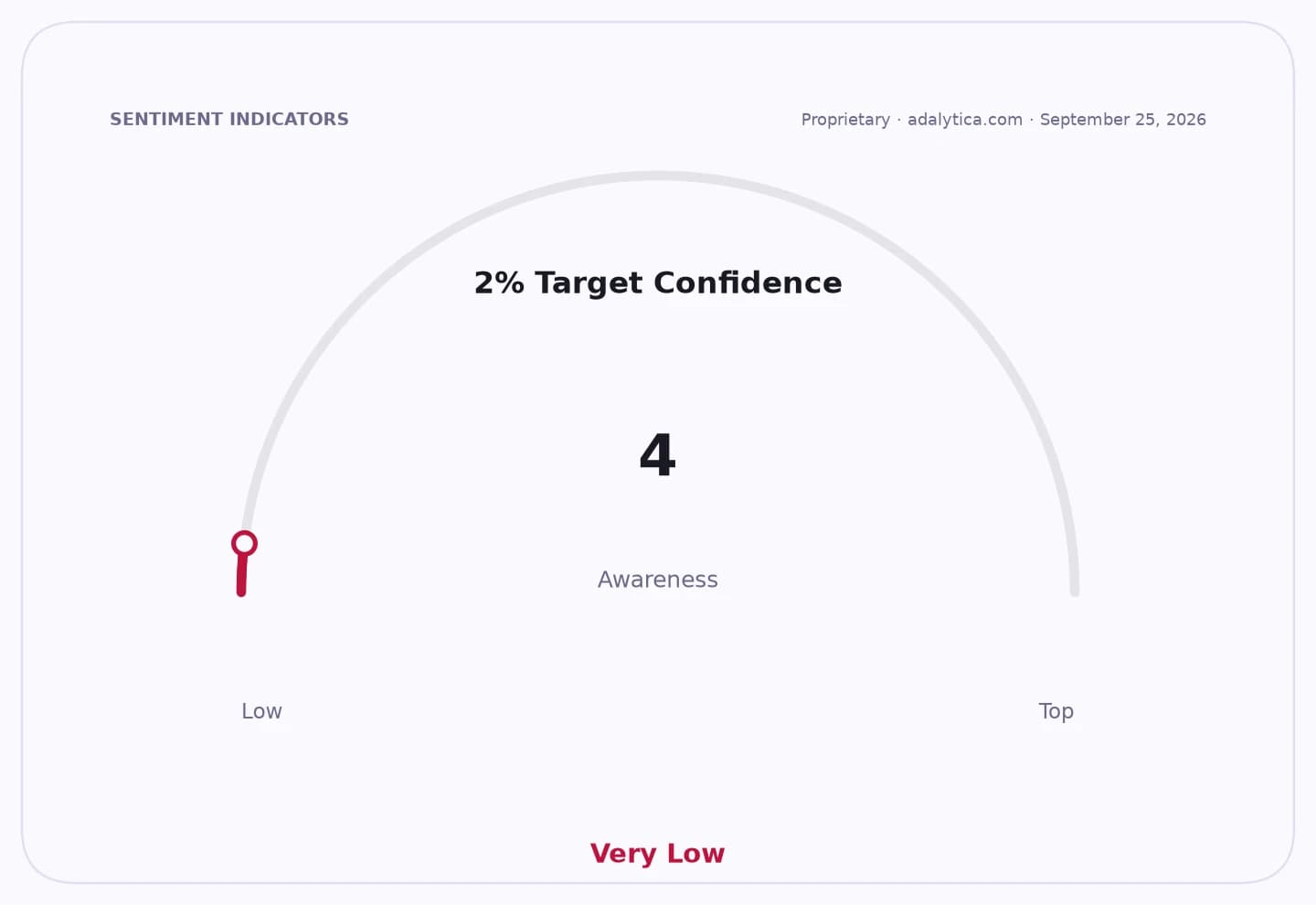
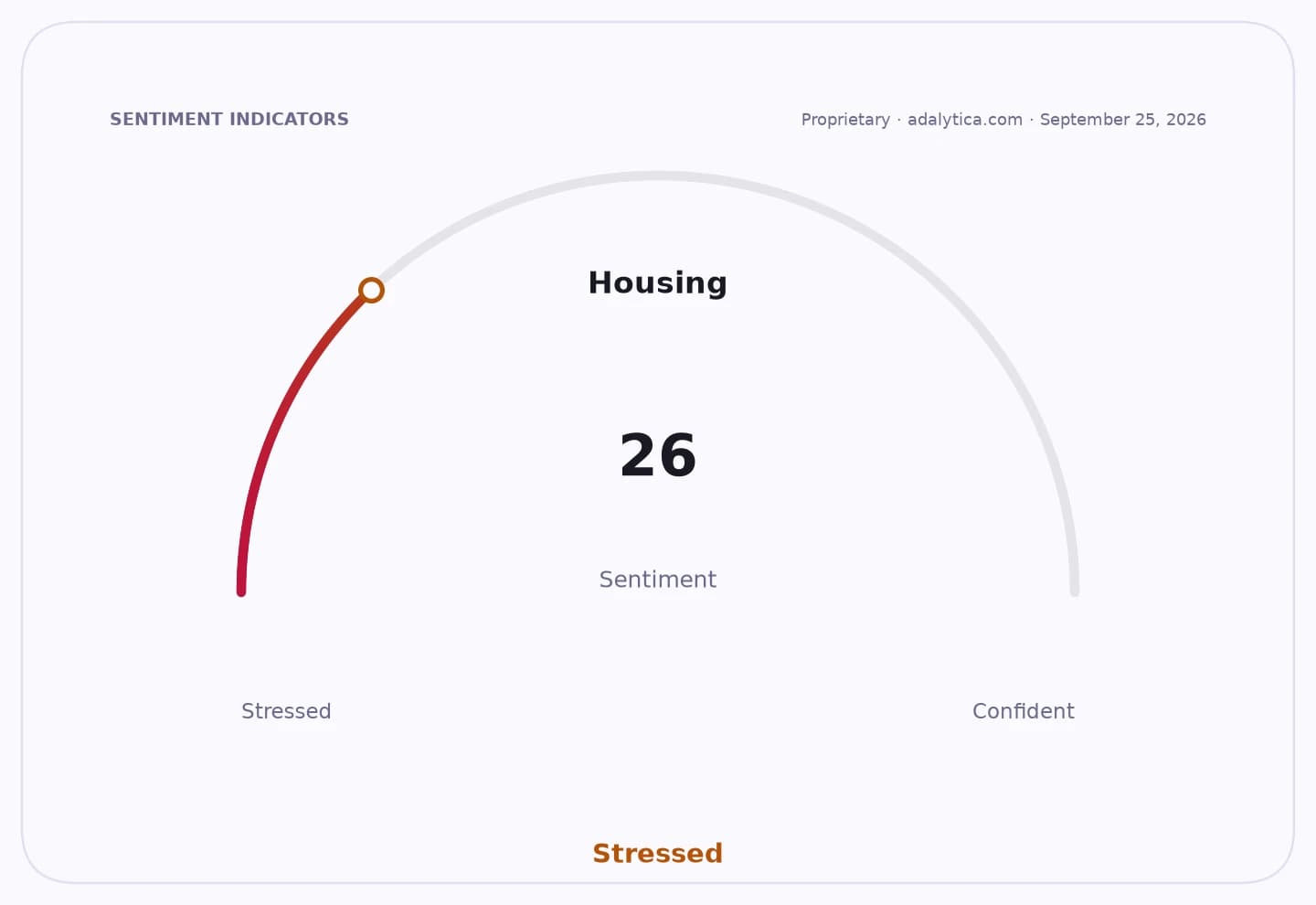
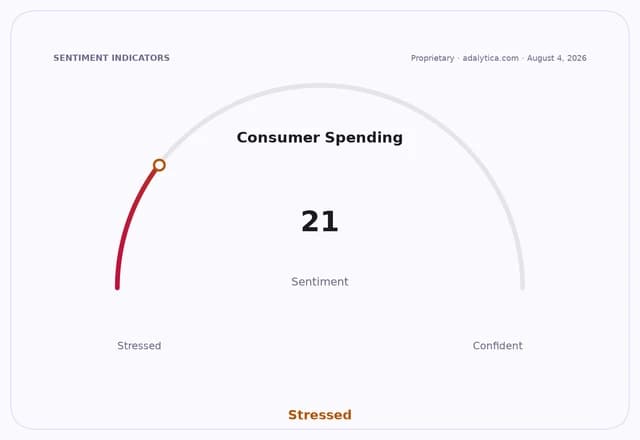
Sentiment IndicatorsⓘProprietary · adalytica.com · August 4, 2026
This is a snapshot — live sentiment, awareness and momentum for 130+ markets update continuously in the dashboard.Open AlphaPulse
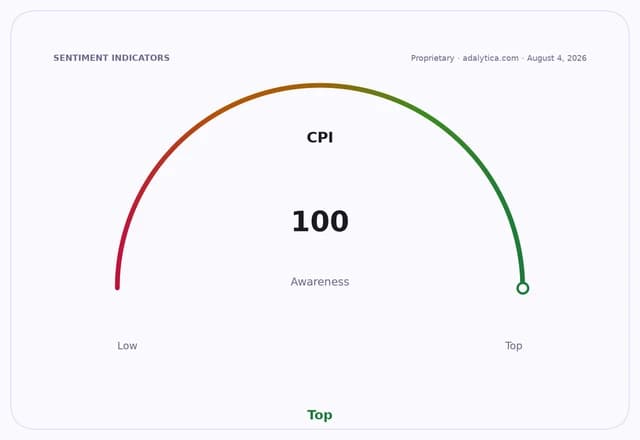
The data underscore how quickly the pressure can build. U.S. consumer prices have already climbed to more than 332 on the CPI index, while producer prices sit near 287, leaving little room for another broad commodity shock. Crude oil remains an important swing factor too, and although it has recently pulled back from the $100 area, fuel costs can still feed into transportation and fertilizer expenses if the weather disruption tightens agricultural supply.
For investors, the short-term winners are not hard to spot. Food distributors, rice suppliers and agricultural businesses can benefit from higher volumes and stronger pricing power, while governments may lean harder on importers, wholesalers and subsidy programs to stabilize markets. U.S. Foods Holding Corp. shares have been firm, with the stock trading around $100.59, above both its 50-day and 200-day moving averages, while Marfrig Global Foods’ U.S. shares have also recovered to about $3.44 after a volatile stretch.
But the bigger lesson is less about chasing a weather trade and more about recognizing how climate volatility can reshape earnings across the food chain. Super El Niño does not just push up a few grocery items; it can change procurement costs, inventory planning and margin assumptions for months. That is why investors should think beyond one season and watch which companies can pass through costs, protect free cash flow and keep demand steady when staples get more expensive.
The government response in places like Indonesia — including subsidized rice distributions to millions of low-income households — may soften the immediate hit, but it also highlights how costly food shocks become when they linger. For long-term investors, this is a reminder that climate exposure is now a real balance-sheet issue, not just a humanitarian one. It is worth watching, especially for companies and countries most dependent on imported food and stable harvests.
| Entity | Gains | Losses |
|---|---|---|
| Food distributors | ▲Higher pricing power | ▼Margin pressure from supply shocks |
| Rice and grain suppliers | ▲Stronger demand | ▼Crop shortfalls and volatility |
| Low-income households | ▲Subsidized food aid | ▼Higher grocery bills |
| Import-dependent economies | ▲Emergency policy support | ▼Rising inflation and fiscal strain |