Supermarkets are becoming one of the most overlooked growth engines in tourism, and the implications go well beyond a quirky social-media trend.
Supermarkets gain from tourism grocery shopping trend
What looks like an inexpensive detour — a few euros spent on local snacks, drinks and staples — is evolving into a new category of travel behavior that favors authentic, low-cost, highly shareable experiences over traditional sightseeing. That matters because it shifts spending patterns inside destinations, creates fresh exposure for retailers and convenience-store operators, and opens another revenue stream for booking platforms and travel brands trying to capture how people actually move and spend abroad.
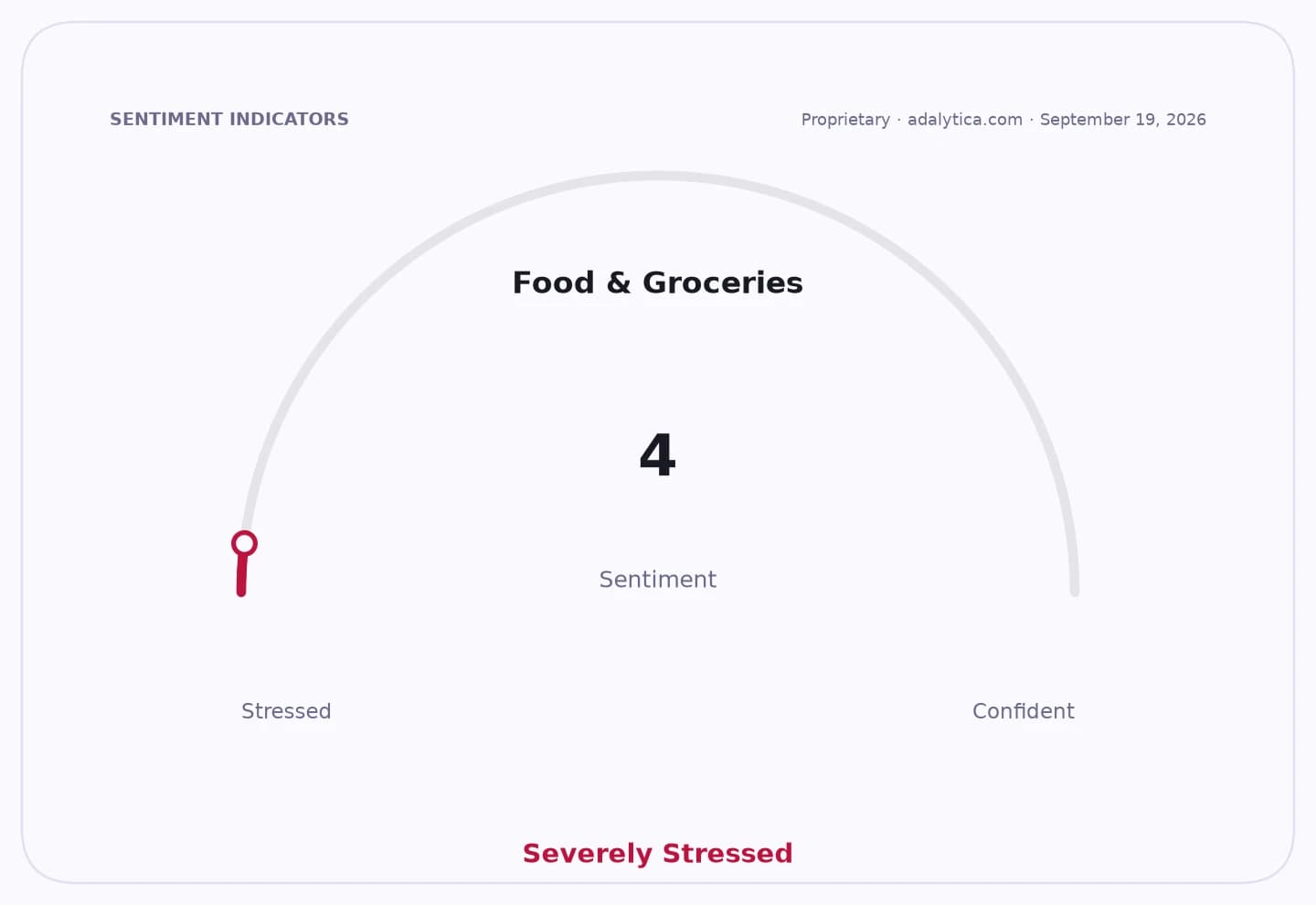
Sentiment IndicatorsⓘProprietary · adalytica.com · September 4, 2026
This is a snapshot — live sentiment, awareness and momentum for 130+ markets update continuously in the dashboard.Open AlphaPulse
The center of gravity is clear. A Hilton survey of more than 14,000 people across 14 countries found 77% enjoy exploring grocery stores and supermarkets when traveling internationally, while 48% said they cook at least some meals on holiday. Skyscanner says 35% of travelers globally plan to visit or shop at a local grocery store on their next trip.
That is a meaningful number for an industry built on attractions, restaurants and tours. Grocery tourism is cheap, repeatable and easy to share online. There is no ticket, no reservation and no guide required. For travelers, it turns a routine errand into a cultural experience. For destinations, it pushes money into neighborhoods that sit outside the normal tourist circuit. For retailers, it turns a store aisle into a form of entertainment.
The economics are straightforward. A basket of unfamiliar snacks, drinks and local specialty foods can cost about 10 euros, making grocery tourism one of the most accessible travel add-ons at a time when consumers remain price-sensitive. That is why the trend fits a broader travel backdrop in which travelers are still looking for value, but are willing to spend on experiences that feel personal and authentic.
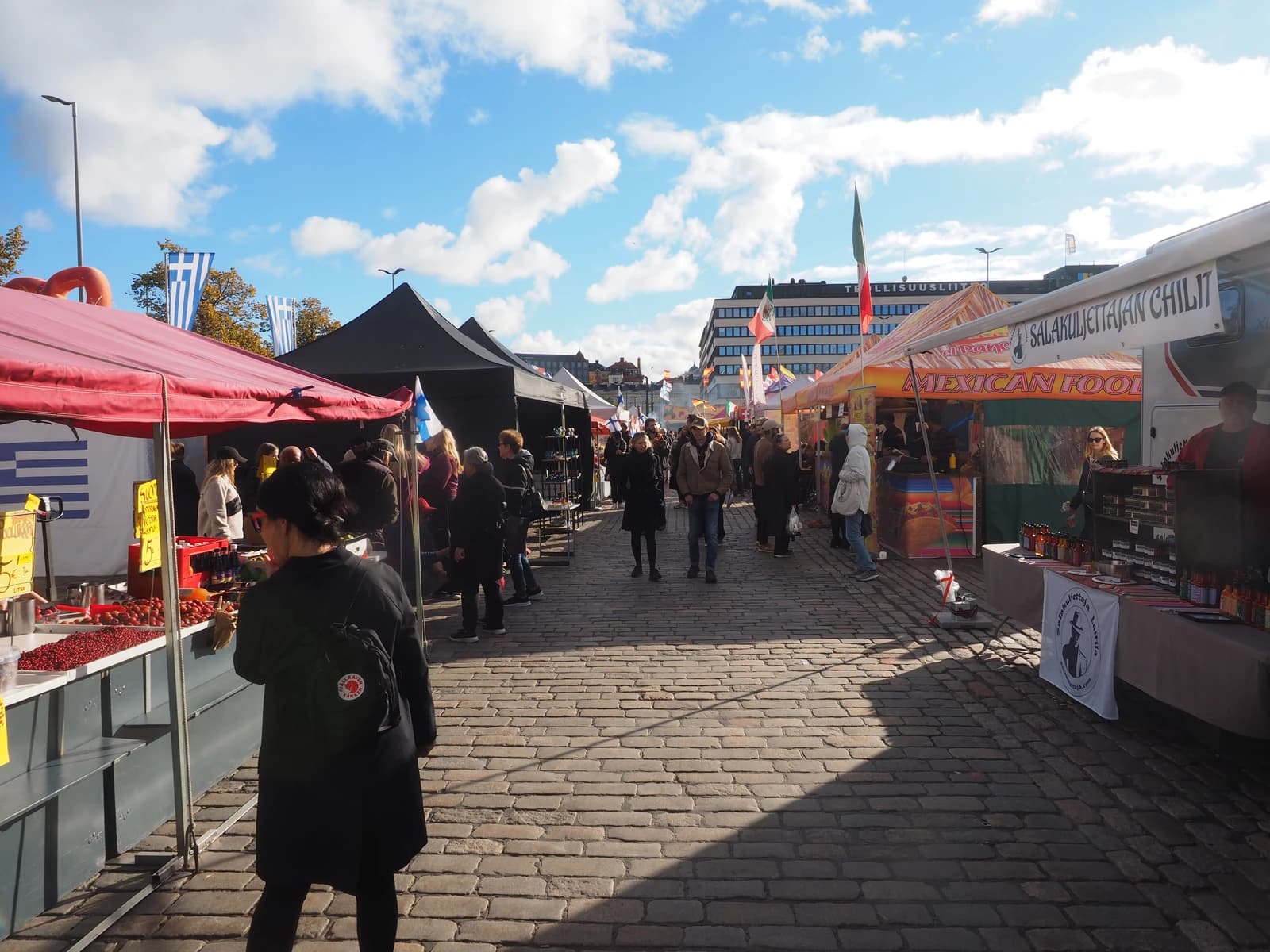
It also changes who benefits from tourism growth. Instead of all the value flowing to hotels and restaurants, more of it lands with supermarkets, convenience chains and local food brands. In Japan, foreign visitors have turned 7-Eleven outlets into destination stops for egg sandwiches, curry buns, pork katsu and matcha Kit Kats. In Finland, K-Supermarket even became the first chain to list multiple stores on Tripadvisor as tourist attractions. In Greece, the same logic extends to feta, yogurt, honey, rusks and olive products — everyday items that become a micro-tour of local food culture.
The market underestimates how durable this can become because it is tied to behavior, not fashion. Travelers are increasingly seeking “ordinary” local life, and supermarkets offer that with almost no friction. They are familiar enough to feel safe, yet foreign enough to feel novel. That combination is powerful, especially when travelers want to reduce costs without giving up discovery.
For investors, the most interesting angle is that grocery tourism is a pick-and-shovels story. It does not require a dedicated “grocery tourism” business model to create winners. The beneficiaries are the retailers with strong location density, the convenience-store operators near transport hubs and tourist corridors, the packaged-food brands that stand out on shelves, and the travel platforms that can monetize search intent around local shopping and food discovery.
Booking Holdings and Airbnb are not direct supermarket plays, but the behavior behind this trend reinforces the value of platforms that help travelers plan more than hotels and flights. Marriott, meanwhile, sits closer to the consumer-spending cycle that still matters for destination demand, even if the bigger upside here is in the surrounding retail ecosystem rather than the room night itself.
There is a second-order effect worth watching: grocery tourism can amplify destination branding. A store known for local cheeses, craft beer or regional snacks becomes part of the trip narrative, and that can pull foot traffic toward specific cities and neighborhoods. But there is a limit. The moment a supermarket becomes too staged for tourists, it loses the authenticity that made it valuable in the first place. The backlash at Japan’s Lawson near Mount Fuji, where crowds forced local authorities to add barriers, shows how quickly a genuine everyday space can turn into a managed attraction.
| Entity | Gains | Losses |
|---|---|---|
| Supermarkets and convenience chains | ▲Tourist foot traffic | ▼Exclusive attention from attractions |
| Local food brands | ▲Impulse purchases | ▼Generic souvenir sales |
| Travel platforms | ▲New search intent | ▼Reliance on traditional sightseeing |
| Traditional tour operators | ▲ | ▼Spontaneous self-guided spending |