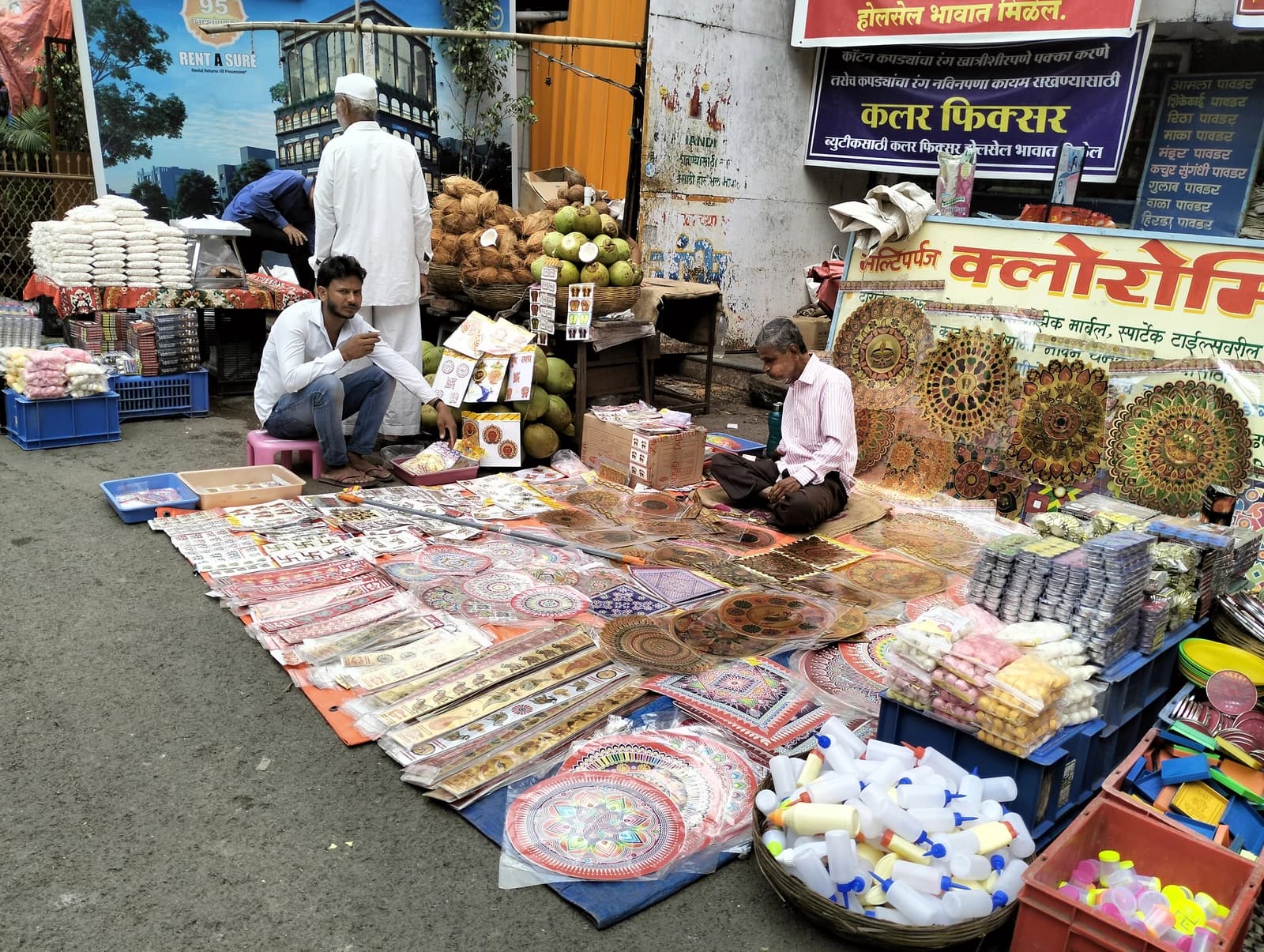
Surat’s textile mills are heading into a labor standoff that goes beyond local workplace rules: workers want a paid weekly day off and an eight-hour workday, while employers say rising costs and thin finances make the change hard to absorb.
Surat textile mills face labor dispute over shifts
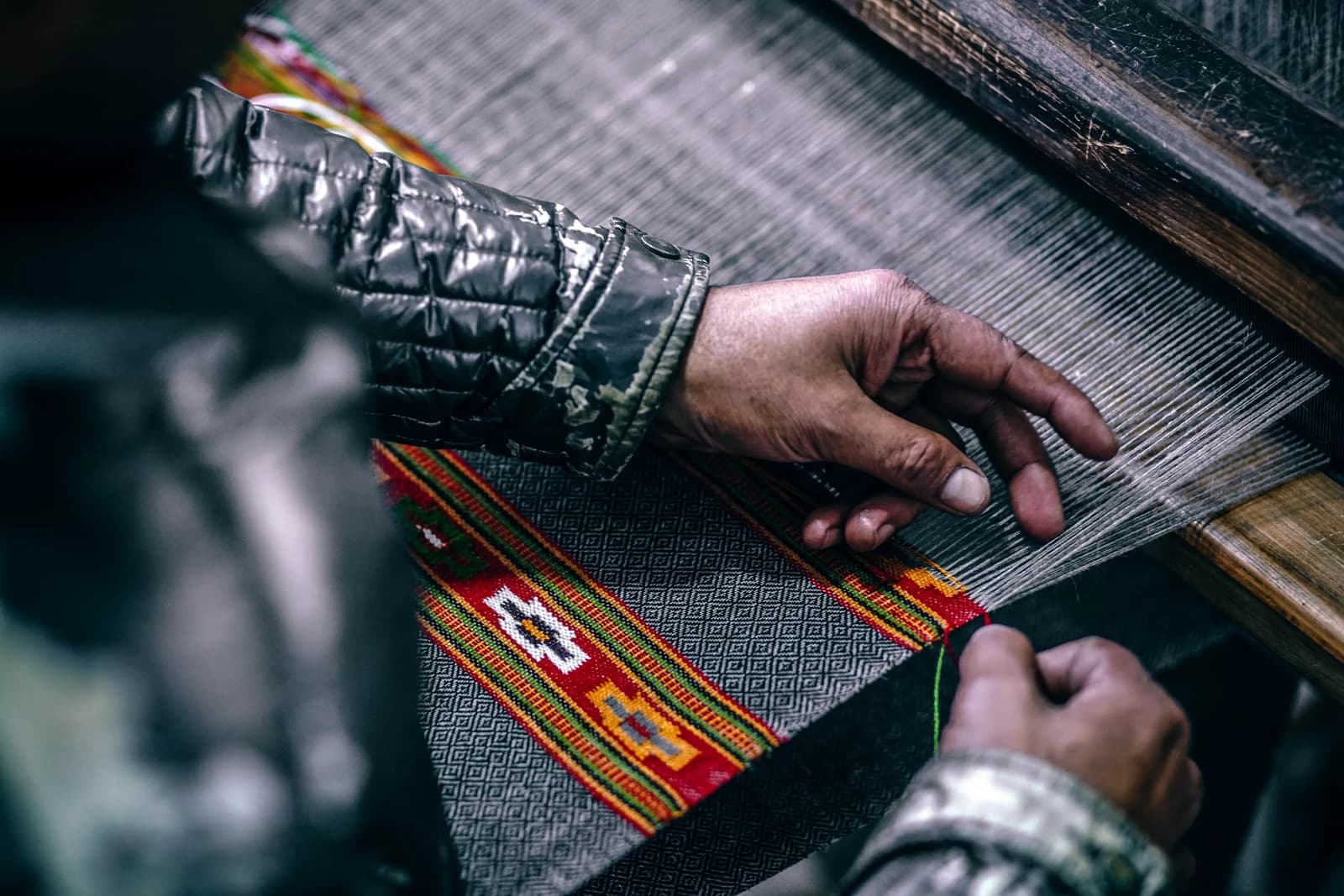
That matters because Surat sits at the center of one of India’s most important textile clusters, a sprawling, largely unorganised industry that depends on long shifts and flexible labor to keep margins intact. If workers win even part of their demand, it could raise operating costs across weaving, processing and allied units, forcing smaller employers to rethink production schedules, staffing and pay structures.
Sentiment IndicatorsⓘProprietary · adalytica.com · October 21, 2026
This is a snapshot — live sentiment, awareness and momentum for 130+ markets update continuously in the dashboard.Open AlphaPulse
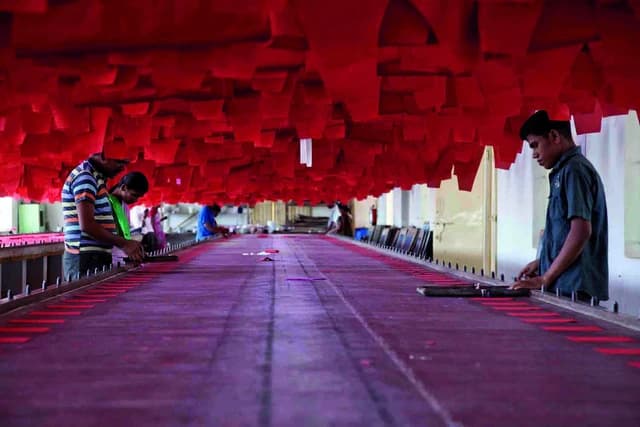
For investors, the issue is not just about labor rights. Textile is a low-margin business, and when wages, overtime and rest-day rules tighten, the burden usually lands on the weakest operators first. Smaller units without pricing power or balance-sheet strength are the most exposed, while better-capitalised companies and organized exporters are usually better able to pass through costs, absorb disruptions or invest in productivity.
The dispute also highlights a broader structural pressure in textiles worldwide: the old model of cheap, intensive labor is getting harder to sustain. From India to Europe, the sector is facing a squeeze from costs, competition and changing demand patterns. Recent industry stress, including job cuts and factory shutdowns abroad, shows how vulnerable textile jobs can be when earnings are already under pressure.
That makes the Surat confrontation important well beyond one city. If workers press ahead and employers resist, the likely outcome is not a clean victory for either side but a slow adjustment toward higher labor standards and higher unit costs. For long-term investors, that usually favors the companies with scale, automation and better pricing power — and punishes the rest.
| Entity | Gains | Losses |
|---|---|---|
| Surat textile workers | ▲Shorter shifts, weekly rest | ▼Lost overtime income |
| Small textile employers | ▲Status quo labor flexibility | ▼Higher operating costs |
| Organized textile exporters | ▲Better labor stability | ▼Margin pressure |
| Long-term investors | ▲Clearer industry discipline | ▼Short-term disruption |