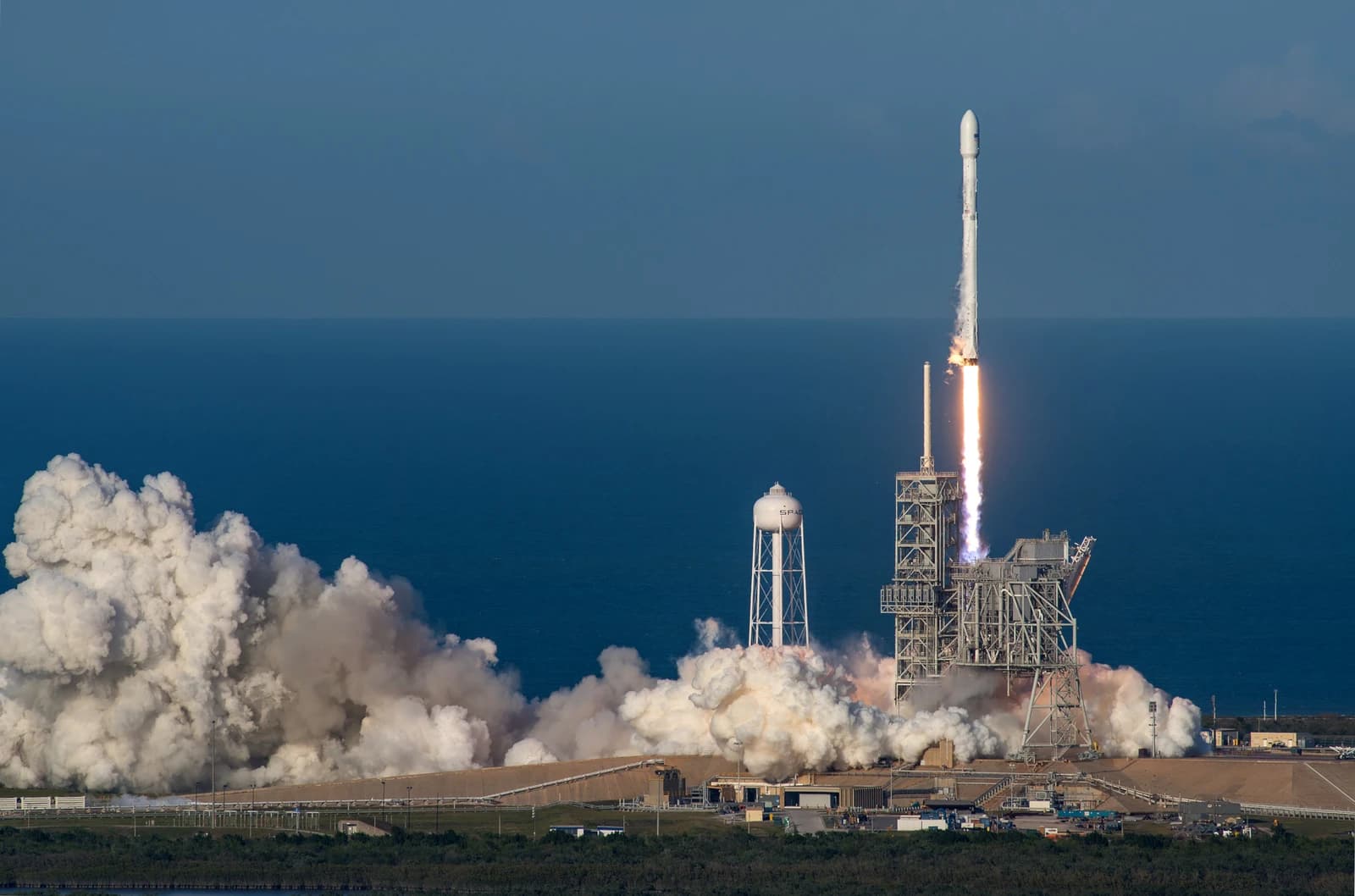
SpaceX’s public swipe at T-Mobile over an alleged bid to “harm Starlink” underscores how satellite-to-phone service has become a strategic battleground for U.S. wireless carriers, with implications for network spending, future wholesale revenue and control of rural connectivity.
T-Mobile and SpaceX Clash Over Satellite Service
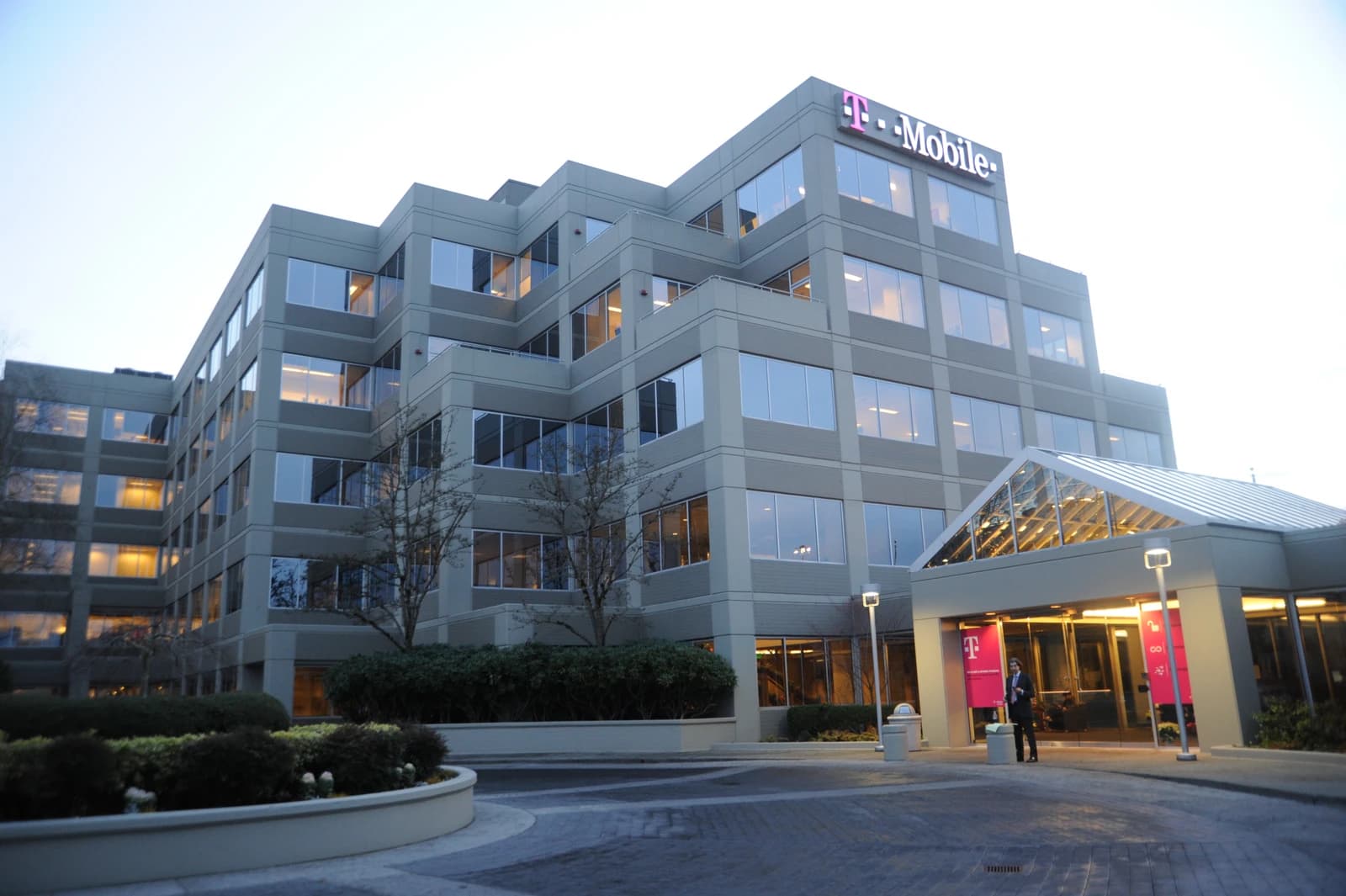
The dispute matters because the planned satellite venture is not a side project: it sits at the intersection of telecom, space and spectrum policy, and could determine which companies capture the next layer of mobile traffic in remote and hard-to-serve areas. For T-Mobile, the partnership is part of a broader effort to extend coverage and defend customer loyalty. For SpaceX, Starlink direct-to-device connectivity is a way to deepen its relationship with carriers and position itself as infrastructure rather than just a consumer broadband provider.
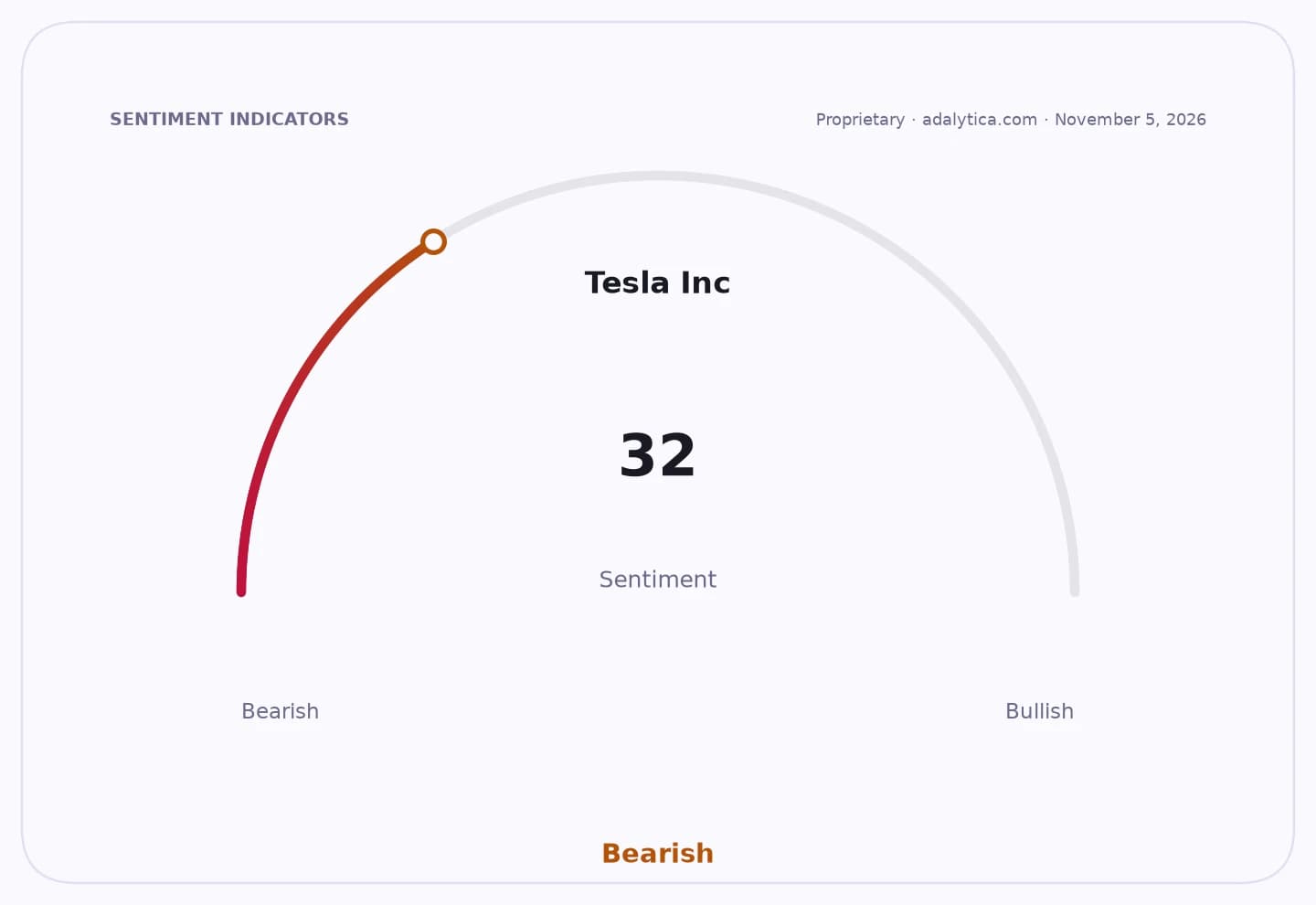
Sentiment Indicators
That makes the rhetoric more than posturing. T-Mobile shares have been volatile, and the stock closed at $160.64 on Thursday, still below its 200-day moving average of $184.98, even after rebounding from an October drop that briefly pushed it to $148.58. The technical picture suggests investors remain cautious about execution risks around the company’s satellite ambitions, even as the shares have stabilized above the 50-day moving average at $165.26.
SpaceX’s criticism also lands as the wireless industry is already in transition. T-Mobile, Verizon and AT&T are all trying to turn satellite access into a differentiator, not just a backup feature, and the economics of that race will hinge on who controls the customer interface, the spectrum relationships and the wholesale terms. A successful direct-to-device model could reduce churn, support premium pricing and lower the pressure to build every last mile of terrestrial coverage. A failed one would leave carriers with higher capex and little incremental revenue.
Investors are watching because the competitive balance is unclear. Bulls argue that satellite coverage expands the addressable market for wireless services and strengthens carrier pricing power in rural areas where network economics are weakest. Bears say the partnerships could simply add complexity, regulatory risk and future margin leakage if satellite partners, not carriers, capture the most valuable economics. The latest public clash suggests those questions are not theoretical and may become a source of negotiation friction before any commercial payoff arrives.
For now, the larger message is that satellite connectivity is moving from concept to contested business line. Any sign that the relationship between SpaceX and T-Mobile is deteriorating would matter not only for those two companies, but also for Verizon and AT&T, which are pursuing their own satellite strategies and will be judged by how quickly they can turn coverage claims into revenue.
| Entity | Gains | Losses |
|---|---|---|
| SpaceX/Starlink | ▲Stronger bargaining leverage | ▼Smoother carrier ties |
| T-Mobile | ▲Broader coverage story | ▼Execution and margin pressure |
| Verizon and AT&T | ▲Competitive opening if T-Mobile stumbles | ▼Need to prove satellite strategy |
| Rural customers | ▲Better coverage prospects | ▼Higher uncertainty on rollout |