Elon Musk’s potential combination of SpaceX and Tesla is the most important corporate development in his empire in years because it could concentrate two of the market’s most coveted secular growth stories — AI-powered autonomy and space-based infrastructure — under one voting structure and one strategic vision.
Tesla SpaceX merger talks and market impact
Tesla Inc
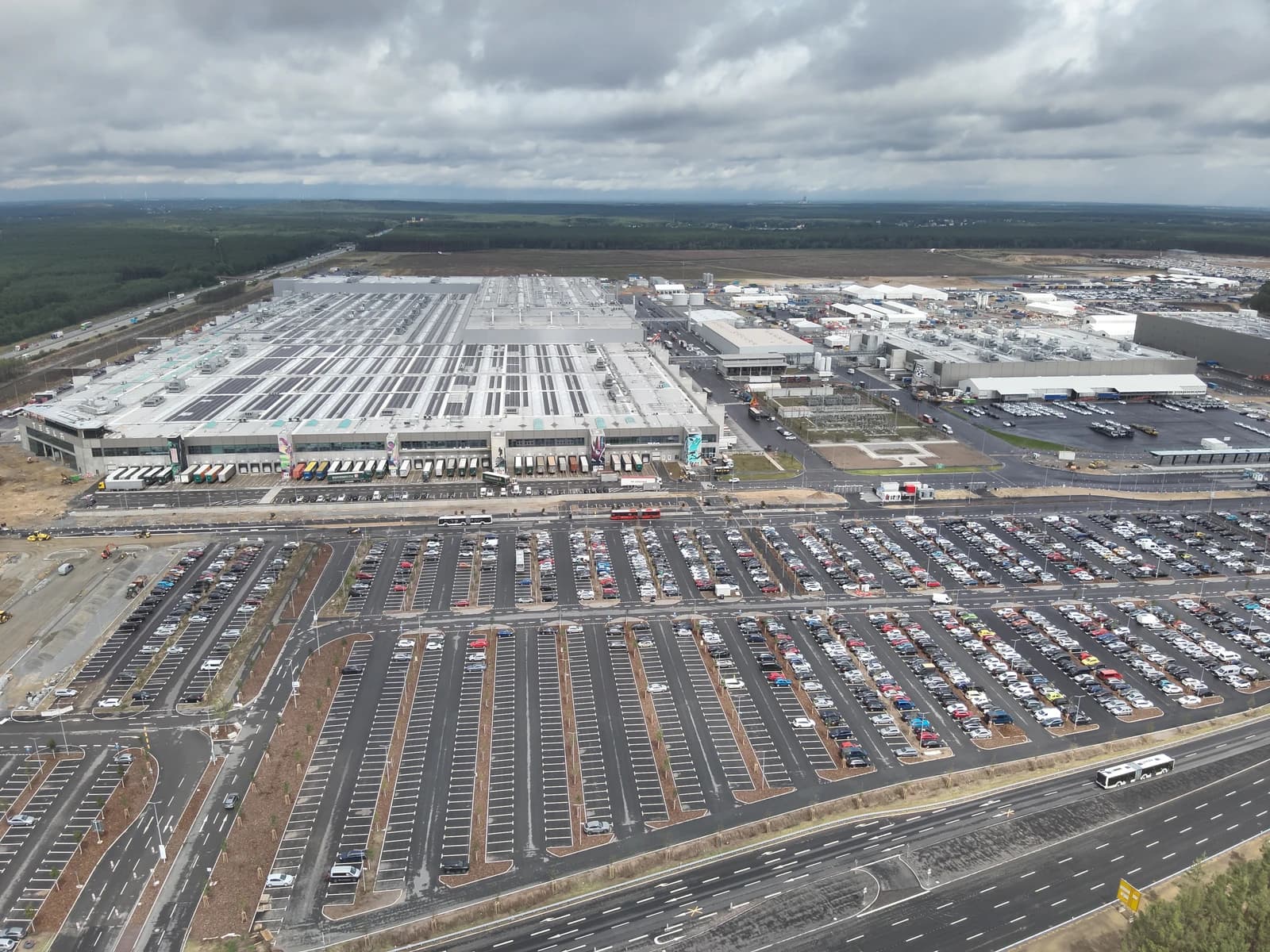
That matters because the market still values Tesla as a car company with an optionality premium, while SpaceX has become the prize asset in private markets for satellite connectivity, launch capacity and defense exposure. A merger would not just shuffle ownership papers. It could change how investors price Musk’s control, how capital is allocated across his businesses and how much of the future AI, robotics and defense stack sits inside one entity.
Sentiment Indicators
The filings show both boards have formed special committees to evaluate a potential combination, putting a formal process around a deal that could redraw one of the most influential tech franchises in the world. If executed, the transaction would link Tesla’s public-market liquidity and manufacturing scale with SpaceX’s private-market dominance in rockets and Starlink. For Musk, that could mean a cleaner mechanism to move resources, talent and strategic focus across businesses that increasingly intersect around autonomy, communications and defense.
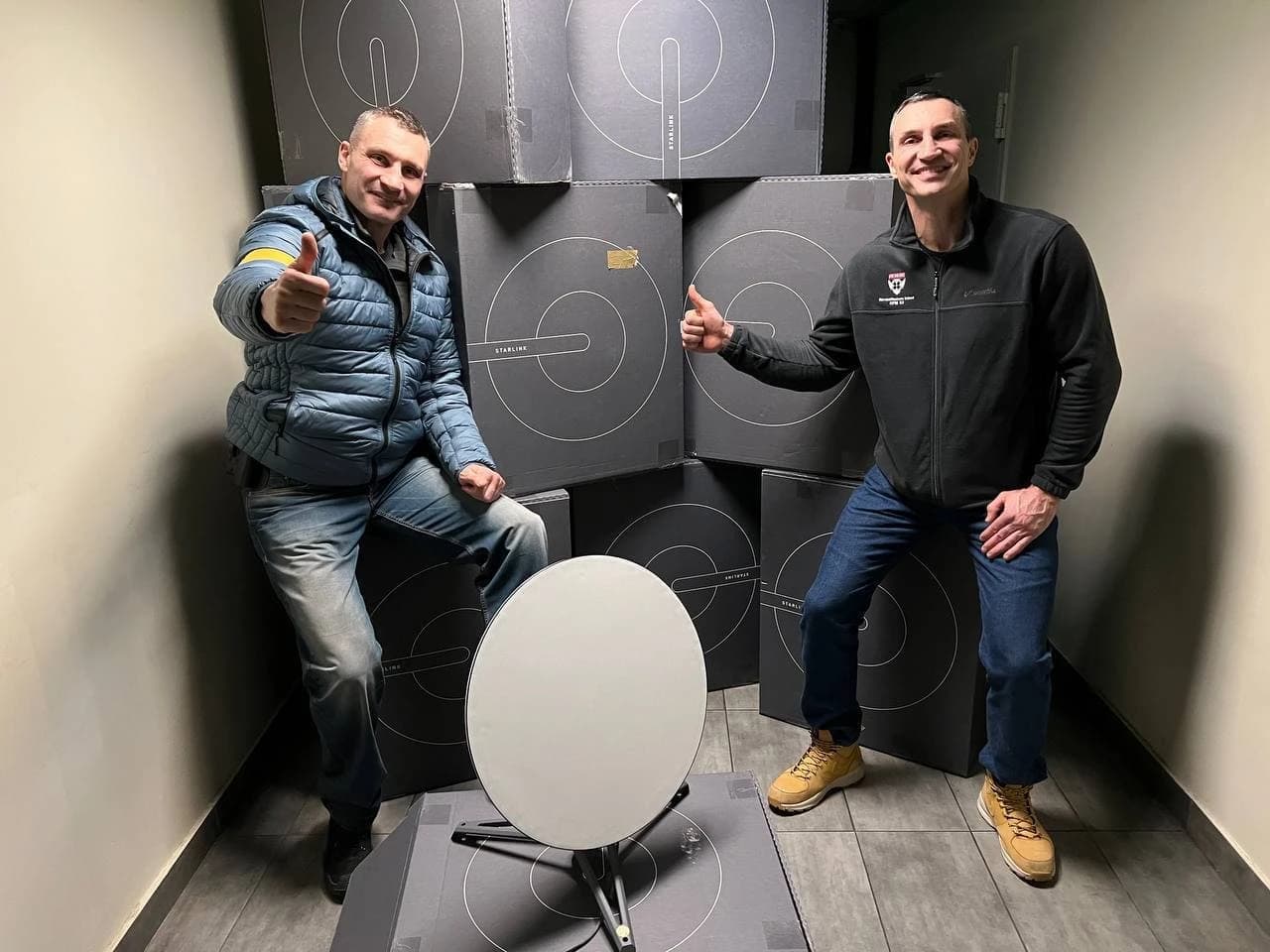
The investment case is obvious: the market underestimates the power of bundling these assets at a time when governments, militaries and industrial customers are buying access to resilient networks, not just cars or rockets. SpaceX’s Starlink has already landed a $450 million agreement to serve armed forces and police, underscoring how geopolitics is turning orbit into infrastructure. Tesla, meanwhile, remains a high-beta proxy for autonomy, robotics and energy storage. Put together, the combined story becomes less about transportation and more about a vertically integrated platform for mobility, compute and secure connectivity.
That is why the stock reaction matters even when the headline is not about quarterly deliveries or margins. Tesla’s shares are still trading with elevated volatility and technical support above its 200-day moving average, but the broader setup is no longer driven only by vehicle fundamentals. Investors are being asked to price a control premium around a possible empire-wide consolidation, and the upside or downside will depend on whether the market believes Musk can unlock more value by combining businesses than by keeping them separate.
There are also real risks, and they are the kind that can cap a valuation rerate. A merger would likely invite prolonged legal and regulatory scrutiny, especially given Musk’s history of fighting over control and governance. It could also intensify political blowback, since Starlink’s military role and Musk’s increasingly outspoken geopolitics make the company a strategic asset as much as a commercial one. Any sign that the deal is designed to entrench Musk rather than maximize minority shareholders would be a red flag for institutional investors.
Still, the bigger narrative is hard to ignore: capital markets are rewarding owners of the physical AI stack, not just software. The market is already paying up for compute, satellites, defense networks and energy storage because those are the bottlenecks of the next industrial cycle. A Tesla-SpaceX combination would sit right at that intersection, and if Musk pushes forward, investors will have to decide whether they want exposure to the man’s entire platform — or just one piece of it.
For now, the clearest takeaway is this: any serious merger move would not be a simple corporate event, but a re-rating catalyst for one of the market’s most ambitious secular plays. Longs should watch for governance terms, financing structure and voting control; shorts should not underestimate how quickly a defense-and-AI narrative can pull capital into the name.
| Entity | Gains | Losses |
|---|---|---|
| Musk / controlling shareholders | ▲Greater empire-wide control | ▼Governance scrutiny |
| Tesla shareholders | ▲SpaceX optionality | ▼Dilution / merger risk |
| SpaceX / Starlink | ▲Public-market access | ▼Regulatory and political heat |
| Rivals in EV and space | ▲— | ▼Competitive pressure from combined platform |