Elon Musk’s new Tesla compensation award, valued at about $158.4 billion, is now the clearest financial statement of how much the company is willing to spend to keep its chief executive tethered to a much bigger artificial-intelligence and robotics ambition.
Tesla Musk compensation award and shareholder dilution
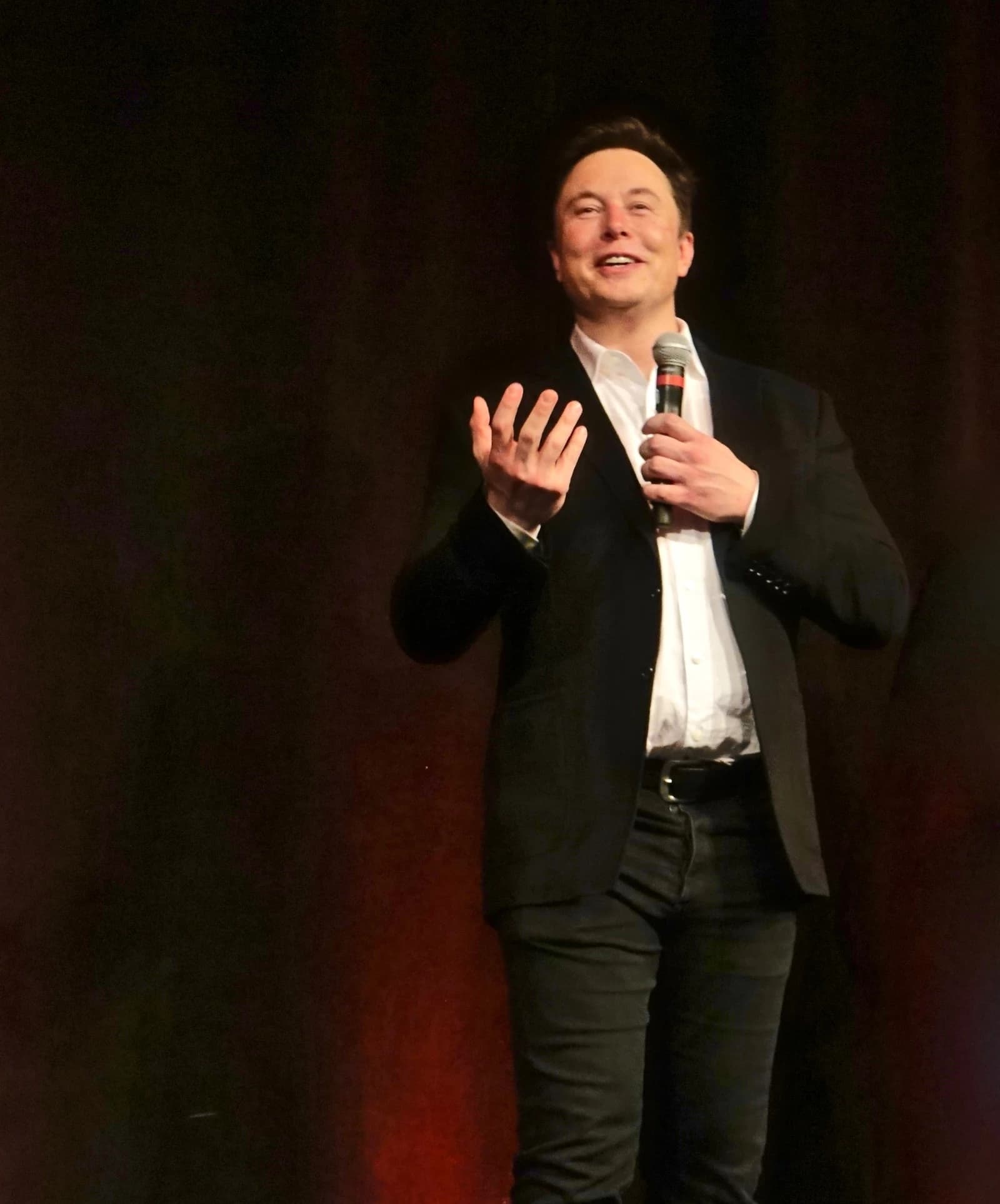
The package, disclosed in Tesla filings and cited by Forbes, is entirely stock-based and would only pay out in full if Musk clears a dense set of operational and market-capitalization hurdles. Tesla has tied the award to 12 targets, including a rise in market value to $8.5 trillion from roughly $2 trillion at the time the goals were set, underscoring that the pay deal is as much a strategic retention tool as it is compensation.
Sentiment Indicators
For investors, the number matters because it sharpens the debate over governance, dilution and execution risk at a company already trading on a premium narrative. Musk’s award is equivalent to more than 2.5 million times the median Tesla employee salary of $62,786, a comparison that will intensify scrutiny of pay equity even if the headline figure is not a cash payout today. The scale also raises the bar for Tesla’s performance: a compensation structure of this size can only be justified if the company keeps delivering growth in vehicle volumes, software monetization, autonomous driving and broader AI applications.
Tesla’s latest share price action suggests the market remains willing to look through those concerns for now. The stock closed at $406.88 on Oct. 27, above its 50-day moving average of $366.11 but still below its 200-day average of $385.94 earlier in the month, while the RSI reading of 62.2 points to firm but not extreme momentum. That leaves the shares in a technically constructive position, even as the award rekindles questions about how much of Tesla’s valuation rests on Musk himself rather than on near-term fundamentals.
The compensation package also lands at a sensitive moment for the company’s broader investment case. Tesla’s stock-based pay structure and heavy reliance on its founder come as investors are already weighing how much capital spending and management attention will be required to push beyond the core auto business into autonomy, robotics and AI. Adalytica’s Tesla earnings sentiment gauge was neutral at 61, while awareness remained elevated at 71, suggesting the market is watching the story closely but has not yet turned decisively optimistic or fearful.
Bullish investors will argue that a founder-linked incentive of this magnitude aligns Musk with shareholders and preserves the leadership needed to pursue Tesla’s next phase of growth. Skeptics will say the package codifies key-man risk, encourages ever more aggressive valuation targets and deepens the disconnect between executive rewards and worker pay at a time when margins and delivery growth remain under pressure. Either way, the message from Tesla is unmistakable: the company is betting that Musk is worth almost any price if he can deliver the kind of expansion needed to reach the targets embedded in the award.
The next test is whether Tesla can translate that ambition into operating results strong enough to support the valuation assumptions behind the deal. If it cannot, the package will fuel a fresh round of investor pushback on governance and dilution. If it can, it will be remembered as one of the most expensive retainment bets ever made in U.S. corporate history.
| Entity | Gains | Losses |
|---|---|---|
| Elon Musk | ▲Larger equity upside | ▼Governance scrutiny |
| Tesla shareholders | ▲Retained CEO focus | ▼Potential dilution |
| Tesla employees | ▲Wage comparison spotlight | ▼Pay-equity backlash |
| Short sellers | ▲Governance controversy | ▼Rally support from bullish narrative |