Tesla’s flying Roadster demonstration is grabbing headlines, but the real investor question is whether the company is showing off a future product or simply reminding the market how far Elon Musk can stretch the boundary between engineering and theater.
Tesla Roadster flying demo draws investor attention
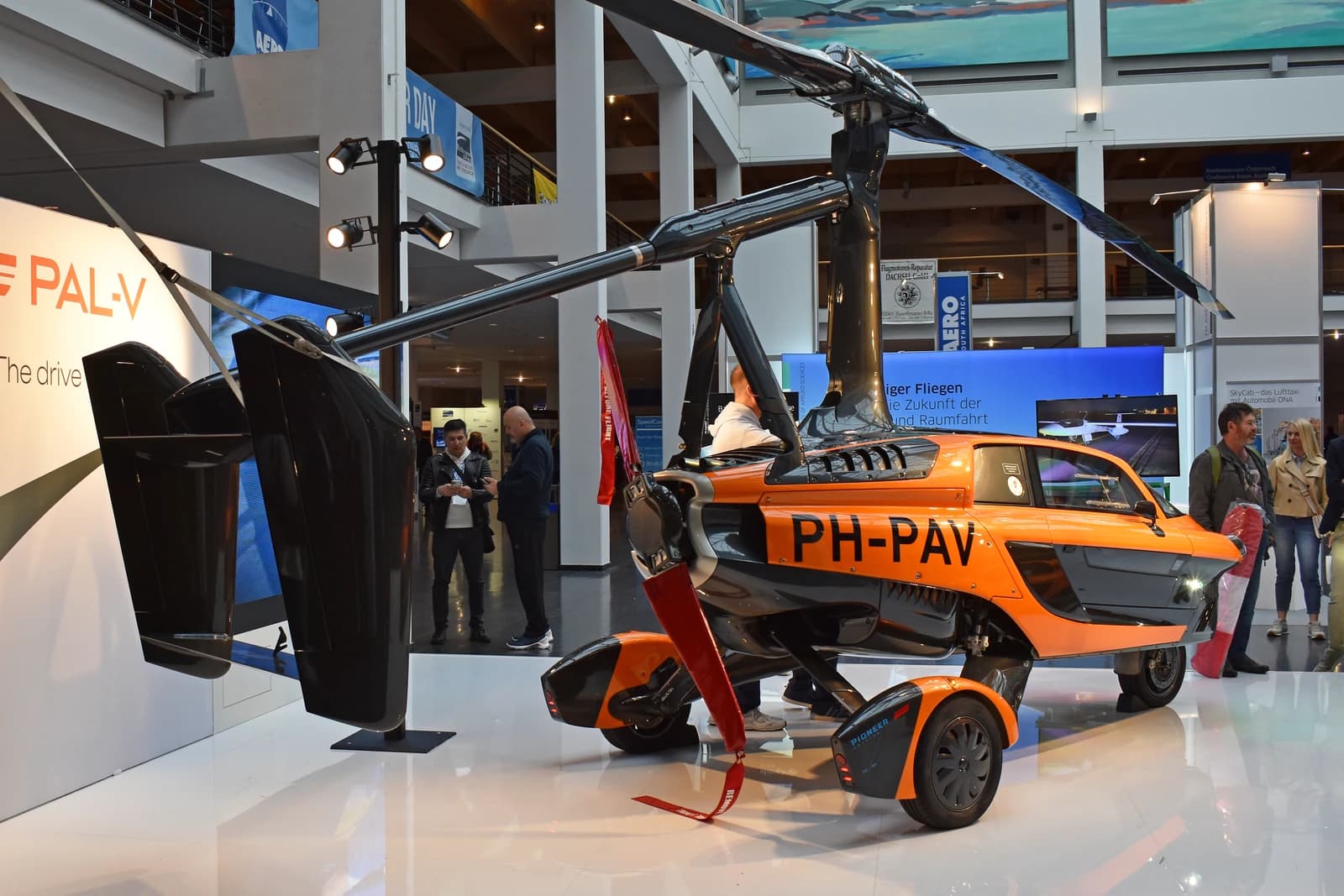
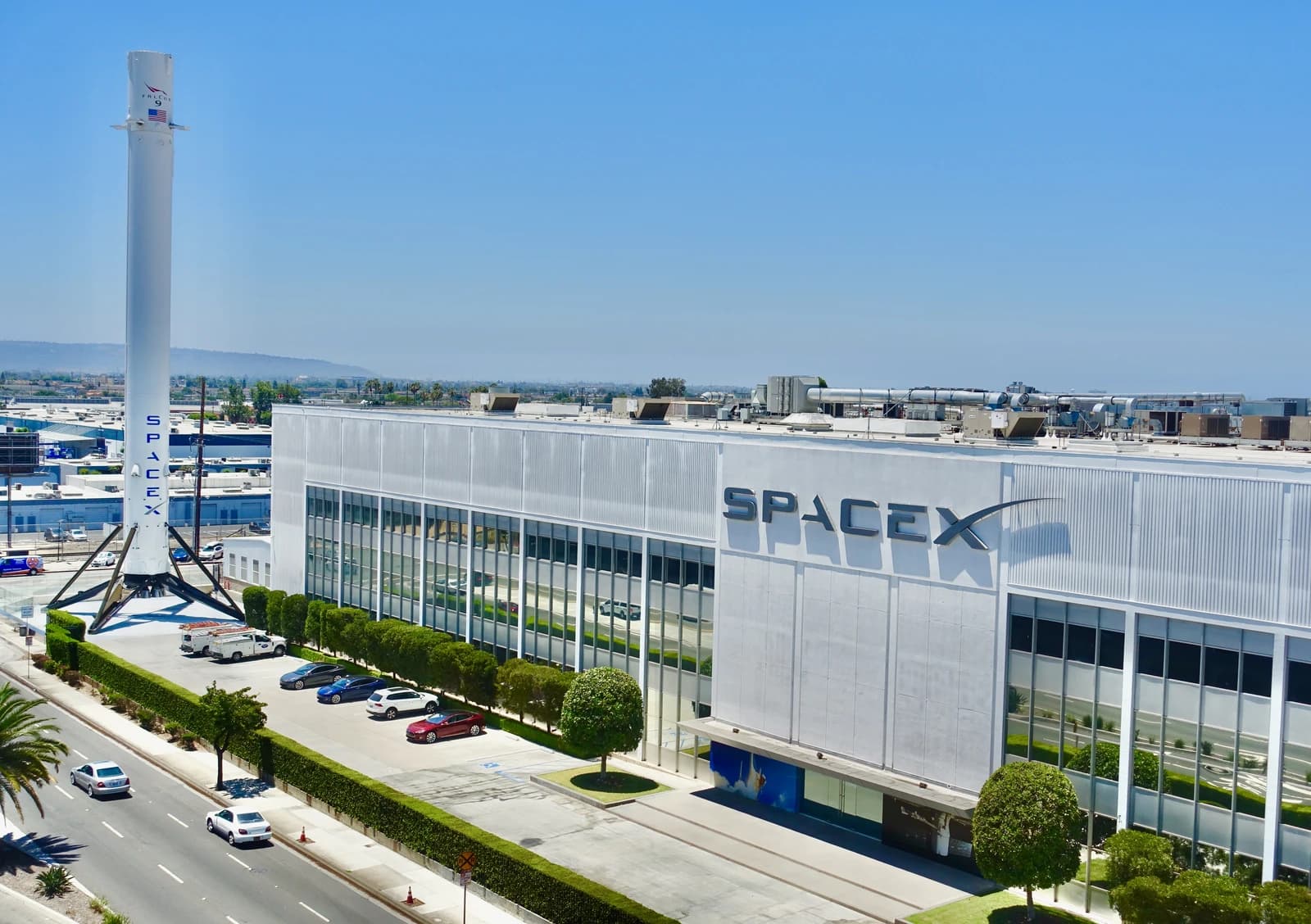
The short answer, for now, is that this is more spectacle than commercial breakthrough. Tesla used a remote-controlled Roadster equipped with SpaceX-derived cold-gas thrusters to leap and flip in a controlled demonstration at SpaceX’s Texas facility. Tesla has not said how far the car can fly, how long it can stay airborne or whether it can be used on public roads. Musk himself acknowledged the Rocket version is “not exactly optimized for safety,” and Tesla says it is not yet approved for road use.
That matters because investors should separate attention from addressable market. A flying car would be an extraordinary technical feat, but the hurdles are enormous: safety, cost, reliability and regulation. In the U.S., any vehicle over 113 kilograms that flies must go through Federal Aviation Administration approval, and local rules would still determine where it could take off and land. That means even a successful prototype could spend years, not months, fighting the realities of aviation law.
The physics are equally unforgiving. Road vehicles need weight for stability and crash protection; aircraft need to be light. That tradeoff has buried many flying-car concepts before Tesla ever entered the conversation. Critics such as NYU professor Yann LeCun called the demo a marketing stunt, arguing the aircraft-like effect could be achieved only by stuffing the vehicle with compressed gas and sacrificing practical utility. Even supporters of the idea concede that if Tesla can turn the Roadster into a usable machine, it would be a genuine manufacturing achievement.
For shareholders, the key point is that Tesla’s real business is still built on EVs, software, batteries and manufacturing scale, not flying cars. The stock has already shown it can move sharply on product ambition, and the technical backdrop suggests renewed momentum, with the shares recently trading above their 50-day and 200-day moving averages and RSI readings around 60, a sign of improving but not euphoric sentiment. That keeps Tesla in the spotlight, but it does not make a flying Roadster part of the near-term earnings story.
Still, the demo is worth watching because it reinforces Tesla’s ability to shape the narrative around mobility. If the company can eventually commercialize even a short-range aerial vehicle, it would open a new category at the intersection of transportation, robotics and aerospace. More likely, though, investors should treat this as an illustration of Tesla’s ambition rather than a product roadmap.
For long-term investors, the lesson is simple: enjoy the wow factor, but underwrite the business, not the stunt. Tesla remains a company with exceptional optionality, but the flying car belongs on the watchlist, not in the valuation model just yet.
| Entity | Gains | Losses |
|---|---|---|
| Tesla | ▲Hype and brand power | ▼Credibility if delays persist |
| Elon Musk | ▲Narrative leverage | ▼Safety scrutiny |
| Investors | ▲Optionality upside | ▼Near-term clarity |
| Regulators | ▲More attention to rules | ▼Pressure to define air-mobility limits |