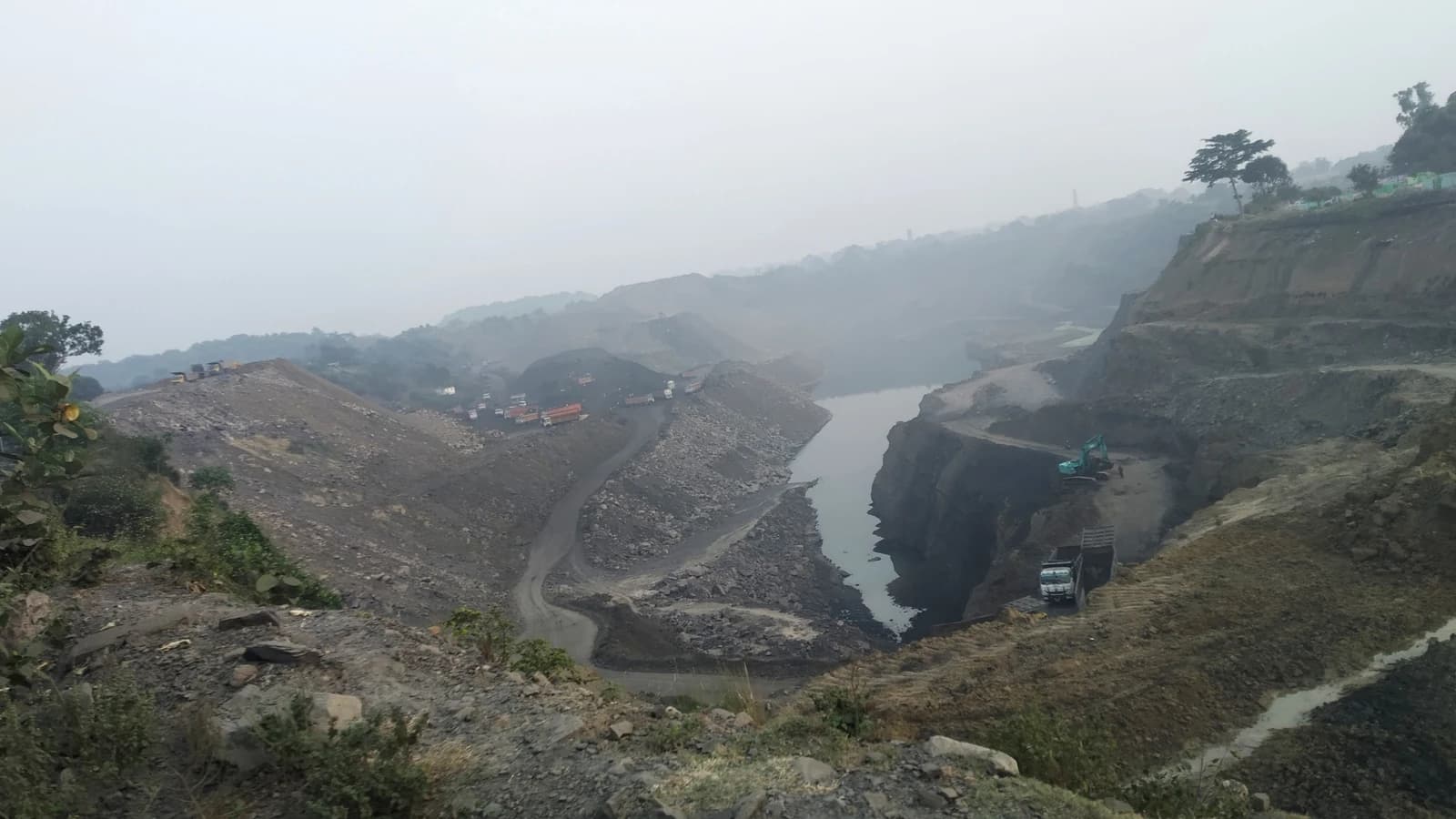
Tanzania is pressing miners and investors to build local processing plants for minerals used in electric vehicles and energy storage, a shift officials say could lift export earnings, create jobs and keep more value from the country’s resource base at home.
Tanzania Pushes Local Mineral Processing for EV Supply
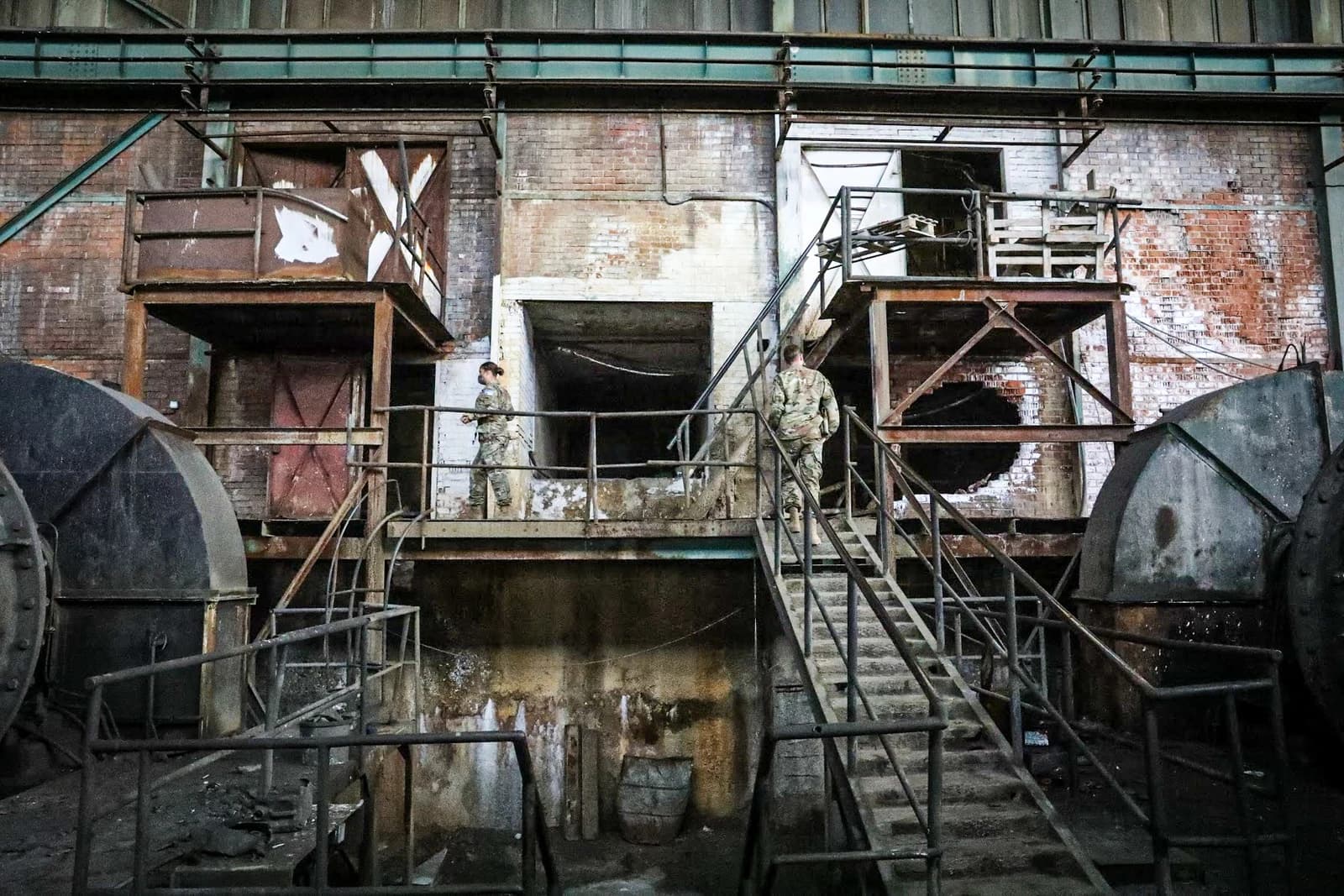
The move matters because it aims to turn Tanzania from a supplier of raw minerals into a producer of higher-margin industrial inputs at a time when global demand is being reshaped by clean-energy technologies. For investors, that points to a bigger opportunity in beneficiation, power supply and industrial infrastructure than in shipping unprocessed ore abroad.
Sentiment Indicators
Othman Masoud Othman, Zanzibar’s first vice president, said the country should stop exporting raw minerals and instead develop factories that make products needed for the global shift to cleaner energy, including components for electric vehicles and systems to store solar and wind power. He said those investments would accelerate technology transfer and widen economic gains.
Mineral Minister Antony Mavunde said the sector already accounts for 10.3% of gross domestic product and is the country’s largest source of non-tax revenue. He said the government is improving access to raw materials, power, land and infrastructure to attract processing investment, while tightening rules that require more value addition before export.
Mavunde said the administration wants minerals processed, refined and smelted locally, adding that “not even one stone” should leave the country without being processed. He said Tanzania has set aside 10% of mineral-sector revenues for geological research, with work due to start in areas including Kigoma, Katavi, Rukwa, Mbeya, Songwe, Lindi and Mtwara to help small miners move beyond artisanal, low-productivity operations.
The policy push also highlights a broader industrial challenge: processing plants need reliable electricity, and Mavunde said the government is targeting 8,000 megawatts of power capacity by 2030. Officials also said the former Buzwagi mine area in Shinyanga has been designated a special economic zone for investors planning factories, underscoring the effort to anchor mineral value chains inside the country.
For miners, the upside is better pricing and deeper local demand for ore and concentrates. For processors, battery and clean-energy manufacturers, the opportunity depends on whether Tanzania can deliver stable power, logistics and financing at scale. The next test will be whether the government’s research spending and industrial-zone plans translate into bankable projects rather than just export restrictions.
| Entity | Gains | Losses |
|---|---|---|
| Tanzania government | ▲Higher value-added revenue | ▼Raw-export dependence |
| Small-scale miners | ▲Better technology and support | ▼Low-productivity methods |
| Local processors/investors | ▲New factory opportunities | ▼Importers of unprocessed minerals |
| Foreign buyers of raw ore | ▲— | ▼Easier access to cheap raw materials |