Oman’s new concession agreement with ExxonMobil marks a potentially important step toward turning the sultanate’s gas reserves into a larger LNG export platform at a time when global buyers are still scrambling for secure supply.
Oman ExxonMobil gas deal advances Duqm LNG plans
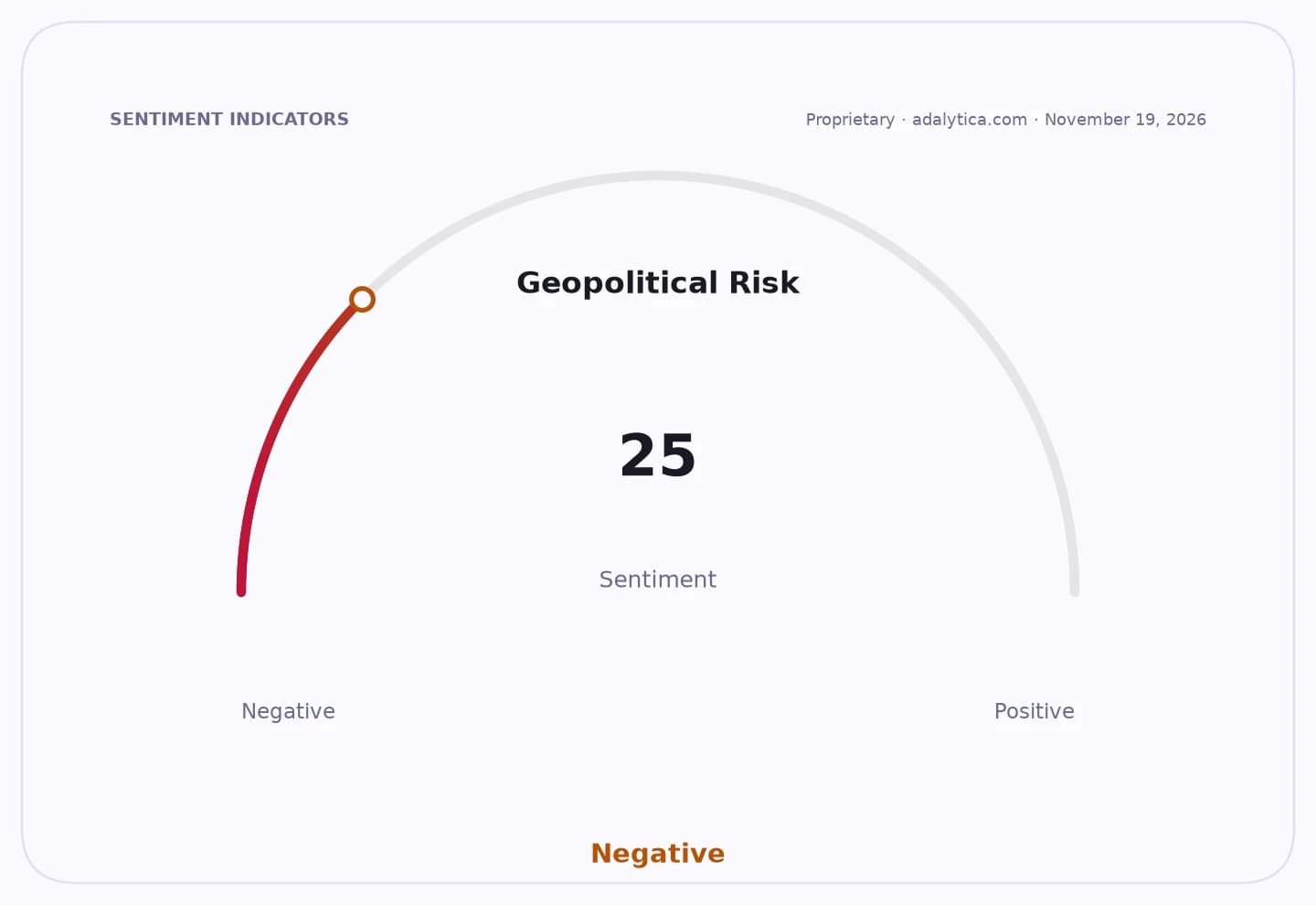
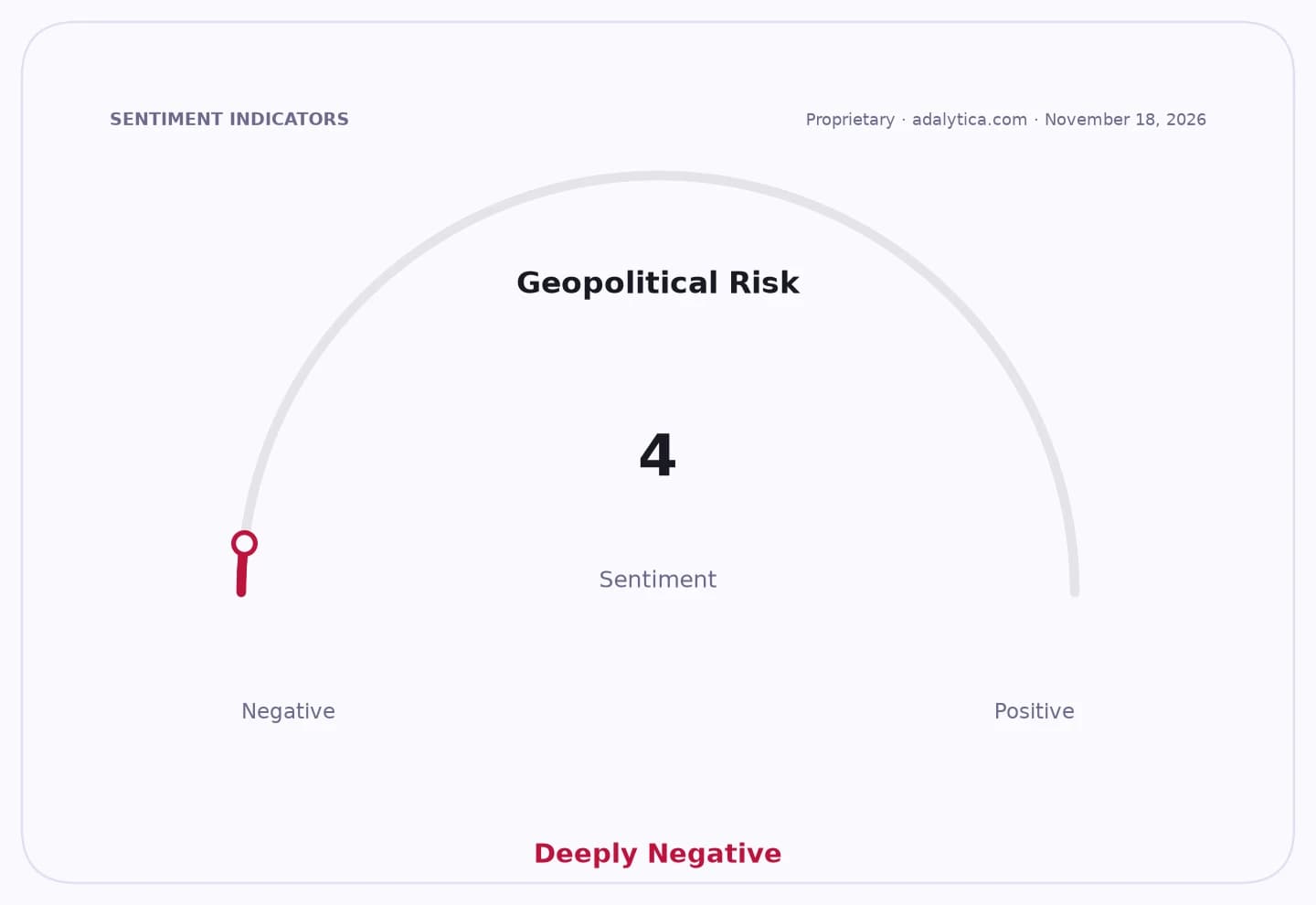
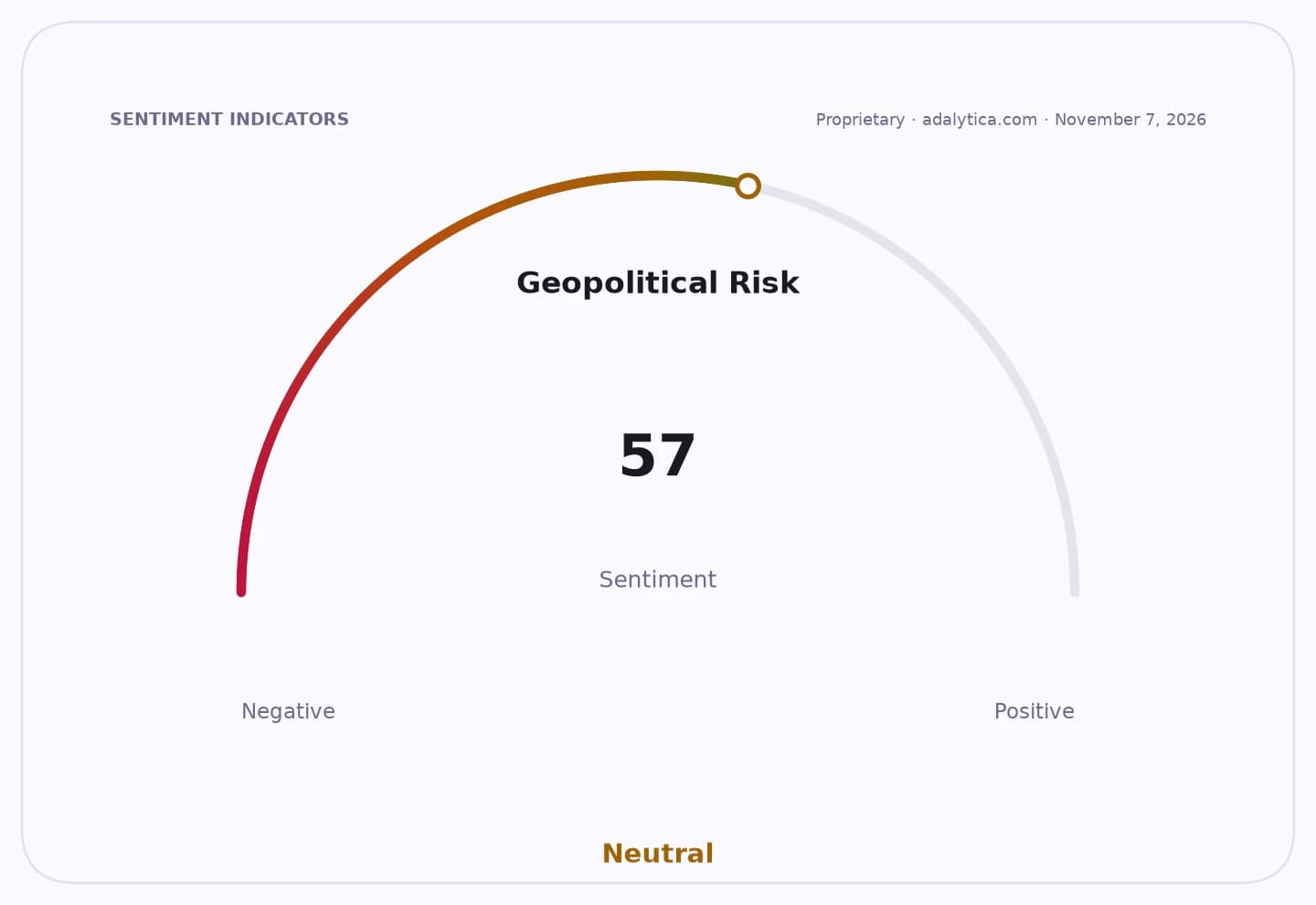
Geopolitical Risk
The deal, signed with the Government of Oman, covers development of natural gas resources in the Greater Makarem Field in Block 20 and lays the groundwork for an integrated upstream-to-LNG project with liquefaction facilities planned for Duqm. That matters because Oman is not just monetizing gas in the ground; it is trying to convert domestic hydrocarbons into long-lived export cash flow, industrial activity and strategic relevance in a market where LNG has become one of the few flexible tools for energy security.
Sentiment Indicators
For investors, the significance is twofold. First, it reinforces the long-term investment case for LNG infrastructure in a world still underbuilding dependable supply, even as spot prices and sentiment swing with weather and geopolitics. Second, it gives ExxonMobil another avenue in a gas market where scale, technology and project execution increasingly separate winners from capital-intensive also-rans. Exxon’s global experience in unconventional gas and LNG development is precisely the kind of edge that can turn a frontier resource into a bankable project.
The location is just as important as the geology. Duqm has been evolving into an industrial and logistics hub on the Arabian Sea, giving Oman an export advantage that can serve Asian and other Atlantic-basin buyers without the same bottlenecks that constrain some Gulf routes. If the project advances as planned, it would deepen Oman’s role as a regional LNG player and broaden the economic spillover into local services, construction and downstream industry.
The timing also fits a broader market backdrop in which natural gas remains strategically underappreciated. Adalytica’s natural gas market gauge shows neutral sentiment but extreme fear in awareness, while its global stability indicator sits in extreme fear territory, underscoring how geopolitical risk is still shaping energy decision-making. In that environment, long-cycle LNG projects with credible partners can command a premium because they address supply security, not just commodity cycles.
The investment takeaway is clear: this is not just a bilateral agreement in Oman. It is another signal that LNG remains a secular infrastructure theme, with the best returns likely to accrue to companies that control reserves, project execution and export optionality. ExxonMobil gains strategic gas optionality and another growth lane; Oman gains monetization and industrial development; the broader LNG market gains another future source of supply. For investors positioning for the next multi-year gas cycle, the real opportunity remains in the picks-and-shovels of LNG capacity, export corridors and upstream gas development.
| Entity | Gains | Losses |
|---|---|---|
| Oman / Energy Oman | ▲Gas monetization and export growth | ▼Slow-moving domestic development |
| ExxonMobil | ▲LNG growth optionality | ▼Capital tied to long-cycle execution |
| Duqm industrial hub | ▲Infrastructure investment and jobs | ▼None in the near term |
| LNG buyers / global market | ▲Future supply security | ▼Higher competition for capital and cargoes |