US offshore contractors Baker Hughes and McDermott have won a subsea engineering, procurement, construction and installation contract from Inpex for the next phase of the giant Ichthys LNG project off Western Australia, a fresh sign that global LNG developers are still spending heavily to protect output even as energy markets cool from their 2022 panic.
Baker Hughes and McDermott win Inpex Ichthys LNG contract
The award matters because it extends the life of one of Australia’s most important gas export engines and confirms that LNG operators are choosing incremental offshore tiebacks over brand-new greenfield megaprojects. Inpex has already sanctioned Phase 2c Part 1 of Ichthys, which will add five production wells targeting the Brewster reservoir and lean on existing subsea and offshore drilling infrastructure to sustain output from a field that can produce up to 9.3 million tonnes a year.
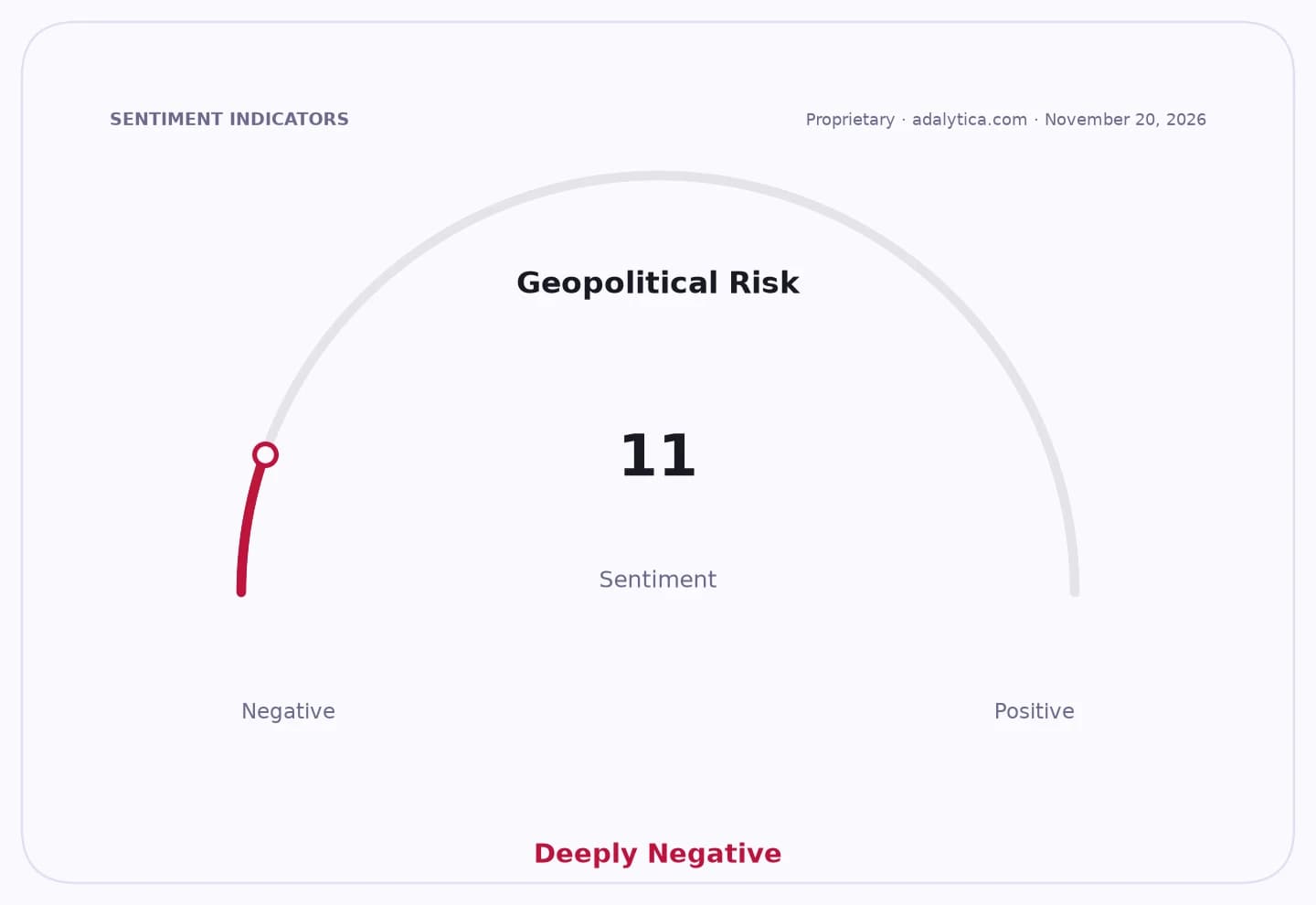
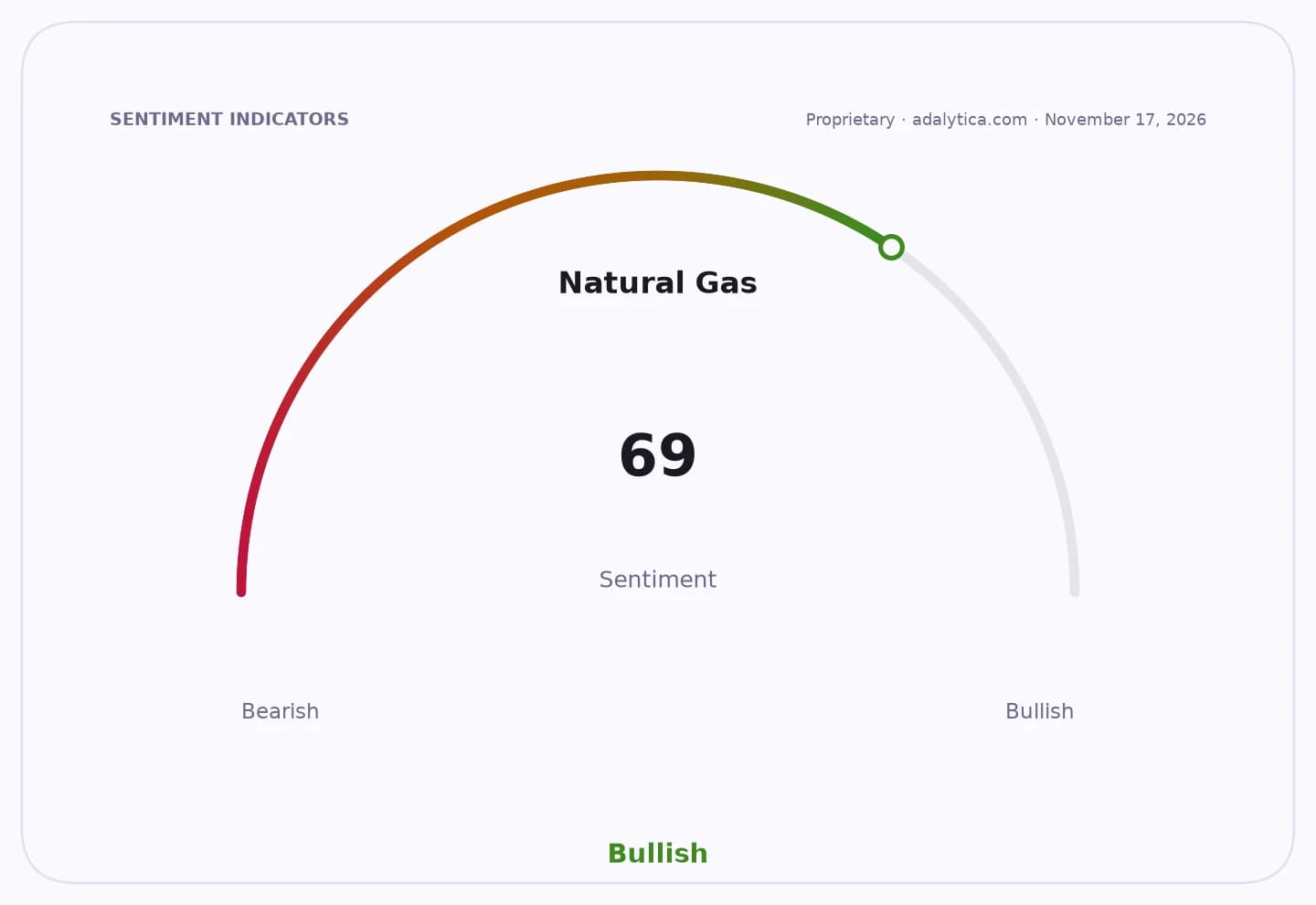
Sentiment Indicators
For Baker Hughes, the contract is a direct win in subsea equipment and services at a time when the company’s shares have been under pressure. The stock closed at $46.67 on Nov. 19, below its 50-day and 200-day moving averages, while RSI readings around 26 point to deeply oversold conditions by conventional technical indicators. That sets up the contract as a potentially important catalyst for investors who believe the market is underestimating the durability of offshore LNG spending.
McDermott, which will handle engineering, fabrication and installation, also strengthens its position in a market where execution and relationships matter more than headline size. The project will be managed from Perth, with engineering split between Kuala Lumpur and Chennai and fabrication at McDermott’s Batam yard in Indonesia, underlining how LNG work continues to anchor a regional supply chain across Asia-Pacific rather than shifting back to the US Gulf alone.
The timing is notable. Brent has been hovering near the high-$80s, with global oil at about $89.56 a barrel on the latest forecast, while the 10-year US Treasury yield has stayed above 5%. That combination keeps upstream and LNG developers cautious on mega-projects, but it also reinforces the appeal of projects that can be expanded through existing infrastructure and deliver faster payback. In other words, the capital is still flowing — just more selectively.
That is why this deal is bigger than a single contract. It reinforces the thesis that LNG remains a secular infrastructure trade, not a cyclical one-off. The winners are the contractors and equipment suppliers that own the subsea technology, installation expertise and long-running framework agreements. The losers are rivals without a foothold in the most capital-efficient phase of the LNG buildout.
Investors should watch for more incremental awards tied to brownfield LNG expansions in Australia, the US and Asia, where operators are under pressure to secure supply without taking on the full cost and risk of new export terminals. For Baker Hughes and McDermott, Ichthys is not just another project — it is the kind of repeatable, high-value work that can compound into a multiyear backlog story.
| Entity | Gains | Losses |
|---|---|---|
| Baker Hughes | ▲Subsea equipment revenue | ▼Competitors without framework access |
| McDermott | ▲EPCI backlog and utilization | ▼Smaller offshore installers |
| Inpex / Ichthys LNG | ▲Sustained LNG output | ▼Higher-cost greenfield spending |
| LNG investors | ▲Brownfield cash-flow visibility | ▼Capital-intensive megaproject risk |