China’s reported discovery of a 100 million-ton oilfield in the South China Sea is bigger than a geology story: it is another reminder that Beijing is still willing to lean on domestic offshore hydrocarbons as it tries to reduce exposure to imported energy, even as the region stays politically combustible.
CNOOC Huizhou 19-6 oilfield discovery in South China Sea
The China National Offshore Oil Corp. said the Huizhou 19-6 field, about 170 kilometers from Shenzhen, holds proven reserves exceeding 100 million tons, according to state media. Test drilling has already produced 413 barrels of crude a day and 68,000 cubic meters of gas, and Chinese outlets are calling it the country’s first large-scale integrated clastic oilfield discovered in deep to ultra-deep layers.
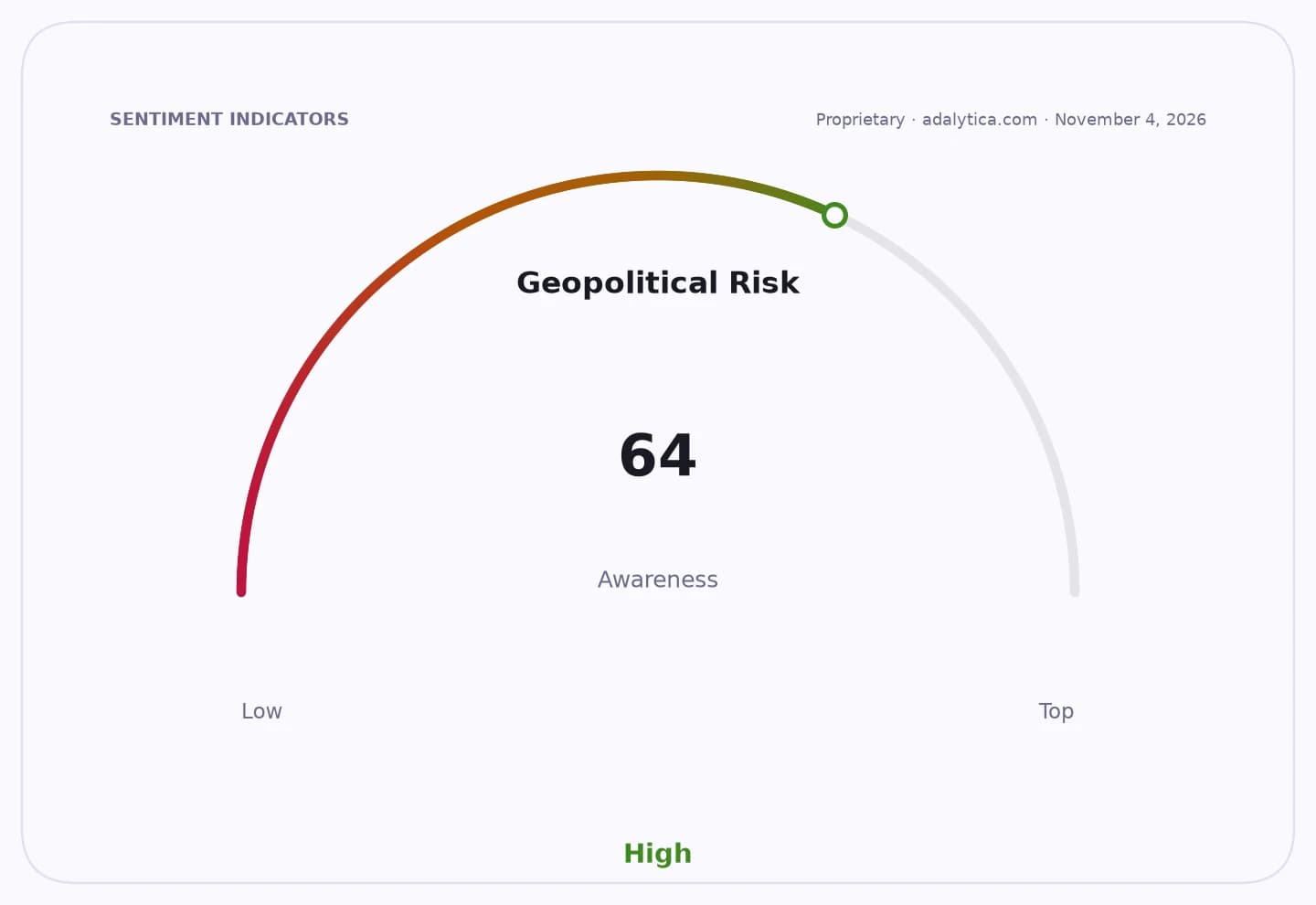
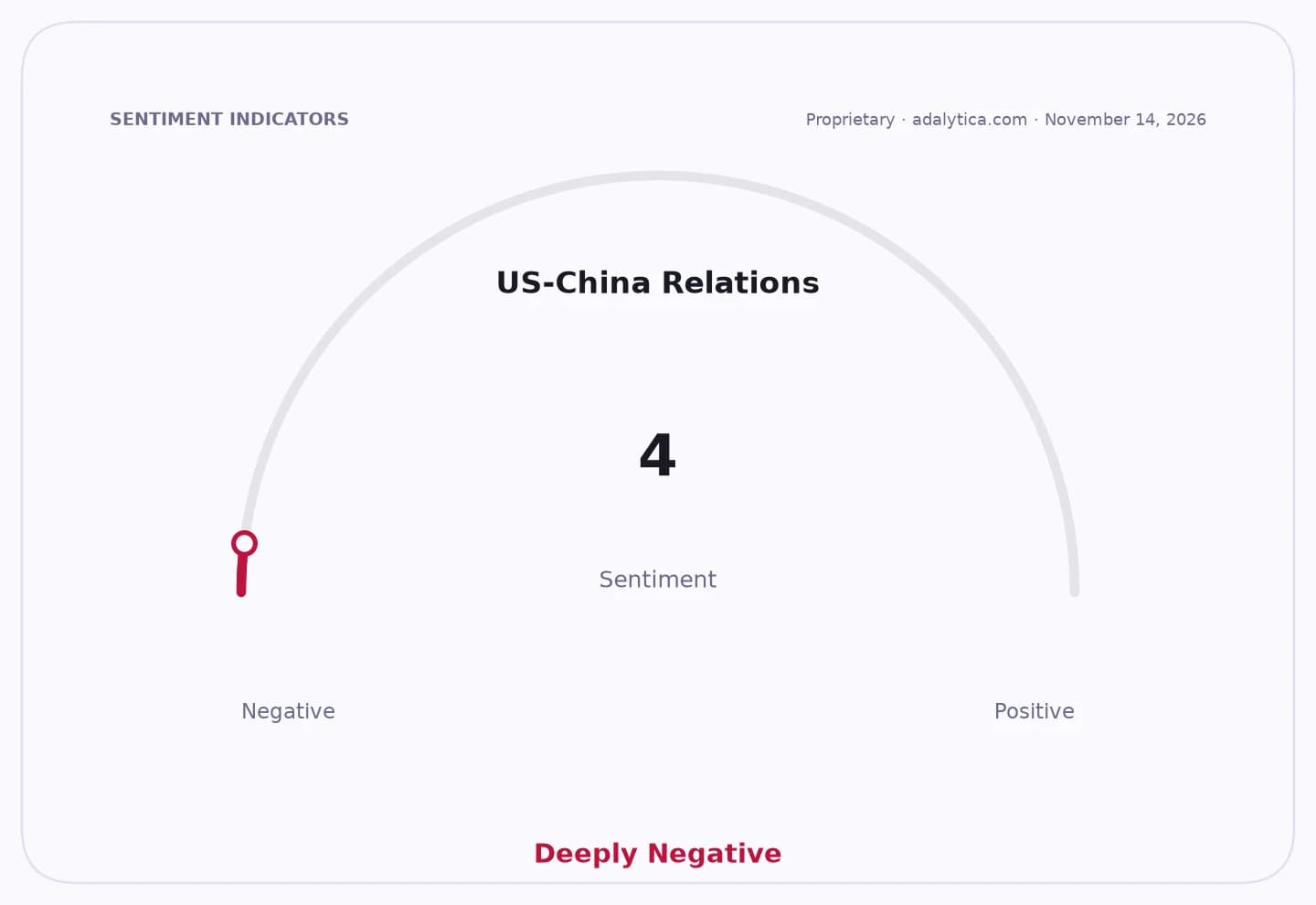
Sentiment Indicators
That matters because China remains the world’s biggest oil importer, and every meaningful domestic find helps shave a little off that dependence at the margin. It also comes at a time when oil markets are still structurally tight enough to keep upstream spending attractive, with West Texas Intermediate around $89 a barrel in the latest data and the energy complex showing how quickly geopolitics can jolt prices higher. For Beijing, the logic is simple: domestic barrels are strategic barrels, especially when shipping lanes are exposed and the South China Sea is already a flashpoint.
The discovery also reinforces why offshore and deepwater technology remains an investable theme even in a choppy commodity tape. China’s own geologists say much of the world’s newly discovered oil and gas reserves are coming from deep layers, and the technical hurdle is exactly what creates the commercial moat for drillers, subsea contractors and service companies with the right equipment. That is the hidden second-order trade here: the market often prices a discovery as a one-off asset event, when the bigger opportunity can be the capex cycle that follows.
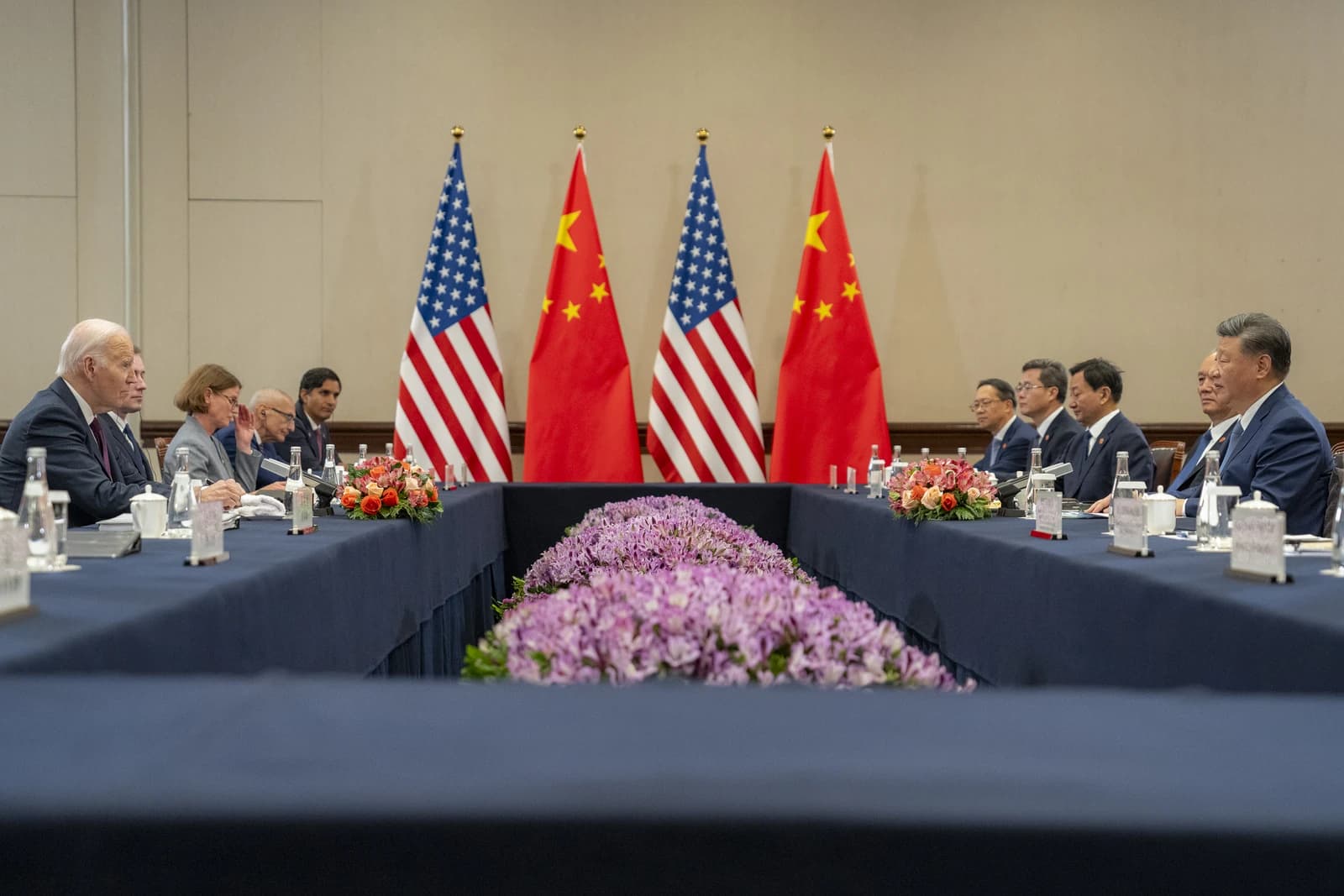
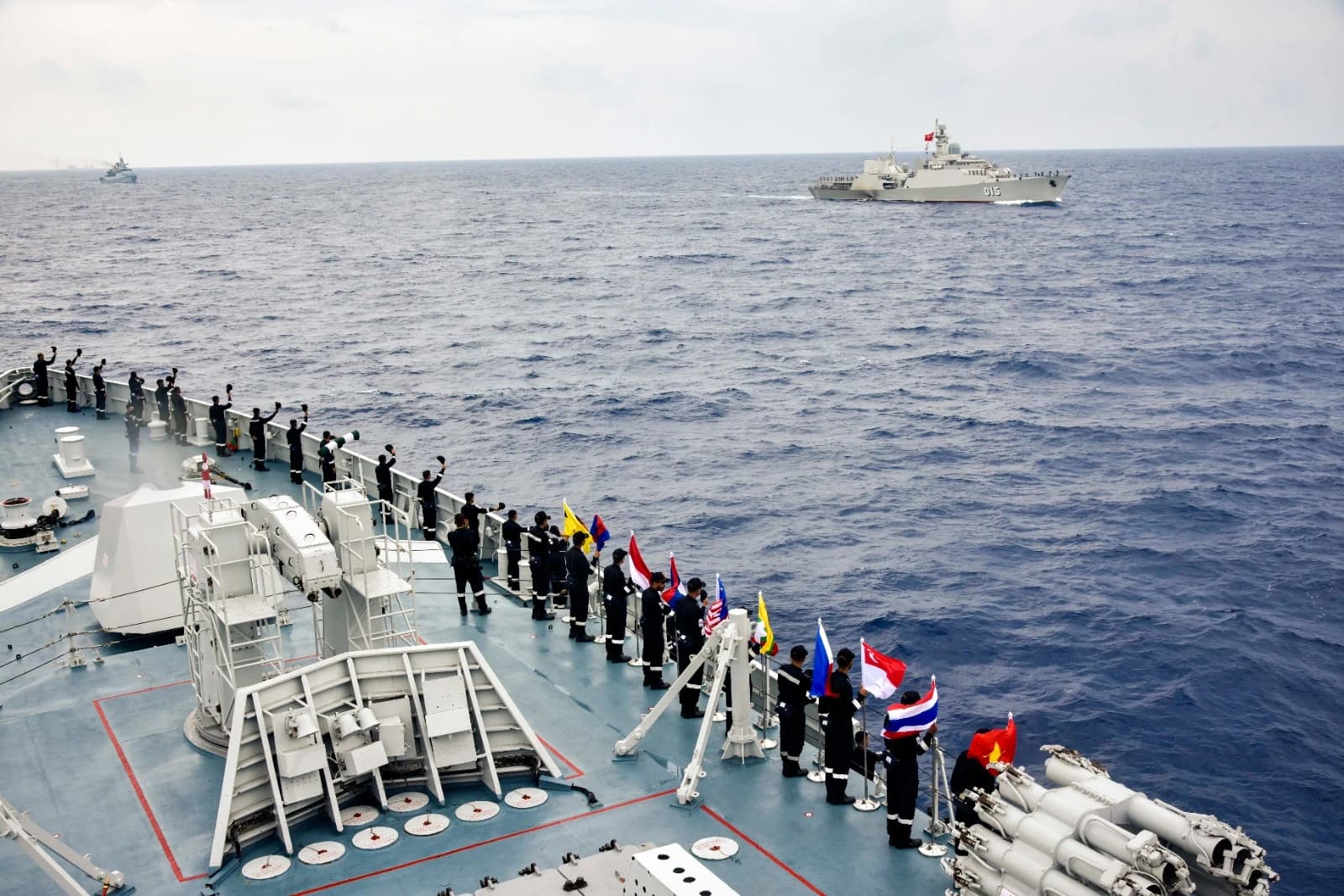
Investors should also pay attention to the geopolitical overlay. The South China Sea handles roughly $3 trillion of annual commerce, and the same waters where CNOOC is drilling are contested by the Philippines, Malaysia, Taiwan, Vietnam and Brunei. Beijing’s military patrols, Washington’s reaffirmed commitment to Manila and joint U.S.-Japan-Philippines exercises near Scarborough Shoal all underline that energy development and sovereignty claims are moving on the same chessboard. That raises the odds of episodic tension, which is supportive for defense spending, marine surveillance and offshore security infrastructure.
The market signal is clearest in energy equities and the oilfield services complex. The sector has already been rewarded for tighter supply, with U.S. oil funds and energy ETFs having surged earlier in the year, and conventional technical indicators in some oil-linked vehicles still point to elevated volatility rather than a clean trend break. From an investing standpoint, the more durable trade is not simply long crude; it is long the picks-and-shovels behind deepwater development and long the companies that benefit if Asian offshore investment accelerates.
I believe the market underestimates how many small discoveries like this can add up into a multi-year offshore spending cycle, particularly in Asia where energy security now trumps efficiency. The best positioning is to own the service names, subsea suppliers and integrated energy companies that can capture the next wave of deepwater capex, while recognizing that the South China Sea’s political risk premium is likely to remain embedded in the backdrop.
| Entity | Gains | Losses |
|---|---|---|
| CNOOC / China | ▲Energy security, domestic supply | ▼Import dependence eases less quickly |
| Oilfield services firms | ▲More offshore capex demand | ▼Pricing pressure fades less |
| China’s neighbors | ▲Little direct gain | ▼Higher maritime tension |
| U.S./allied defense firms | ▲More deterrence spending | ▼Regional risk premium rises |