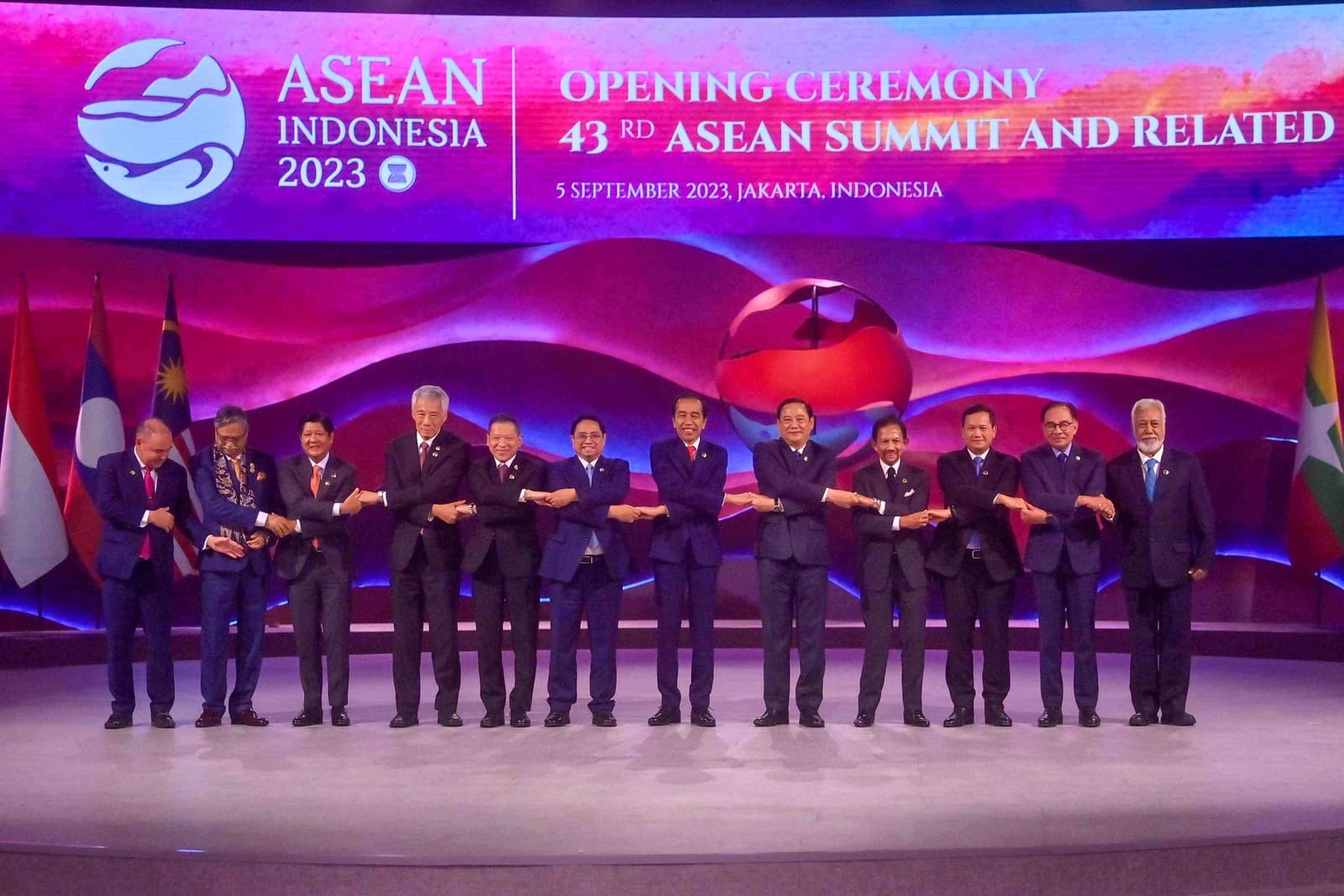
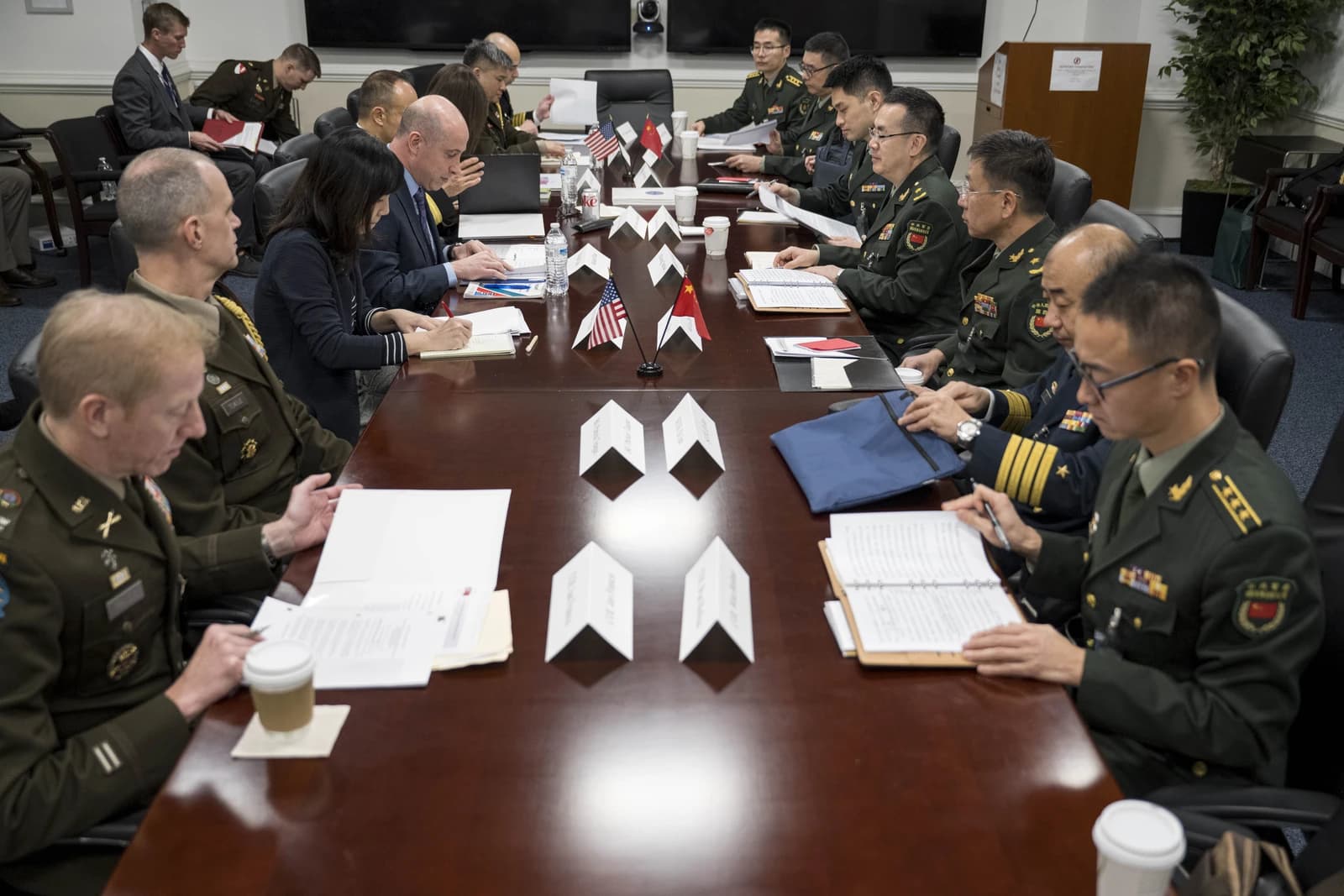
China and Southeast Asian nations are still struggling to turn years of talks into a binding South China Sea code of conduct, and that matters because the longer the rules stay unfinished, the higher the risk of a miscalculation in one of Asia’s most important shipping lanes.
South China Sea code talks remain unfinished
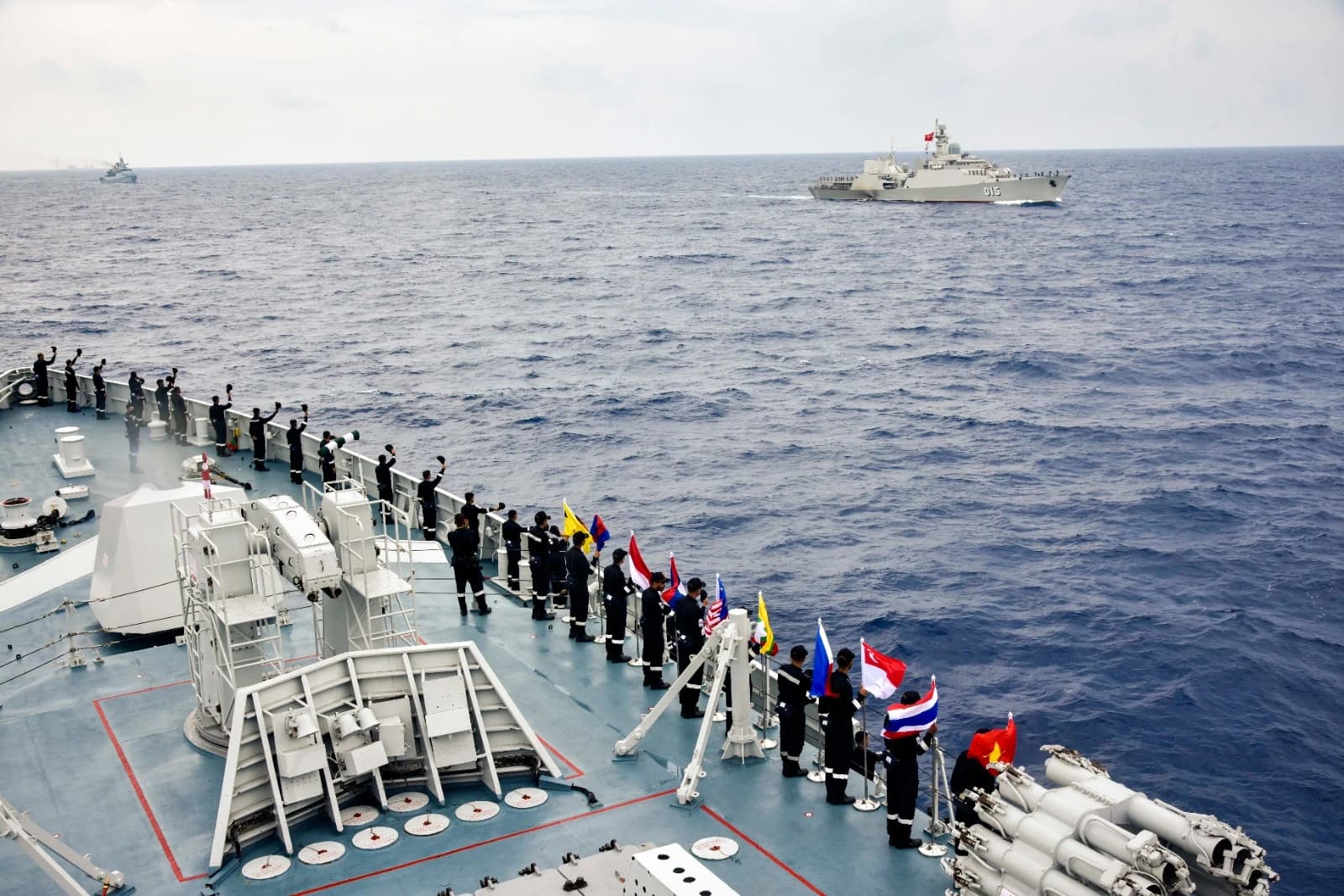
The broad outline is already there. Negotiators say roughly 80% of the code has been agreed, but the remaining gaps are the ones that count: where military activity is allowed, how disputes are handled, and whether the deal would have real teeth. For investors, that uncertainty is more than diplomatic theater. The South China Sea is a trade artery linking China, ASEAN economies and the wider global economy, so every delay keeps a premium on geopolitical risk for regional supply chains, energy routes and cross-border investment.
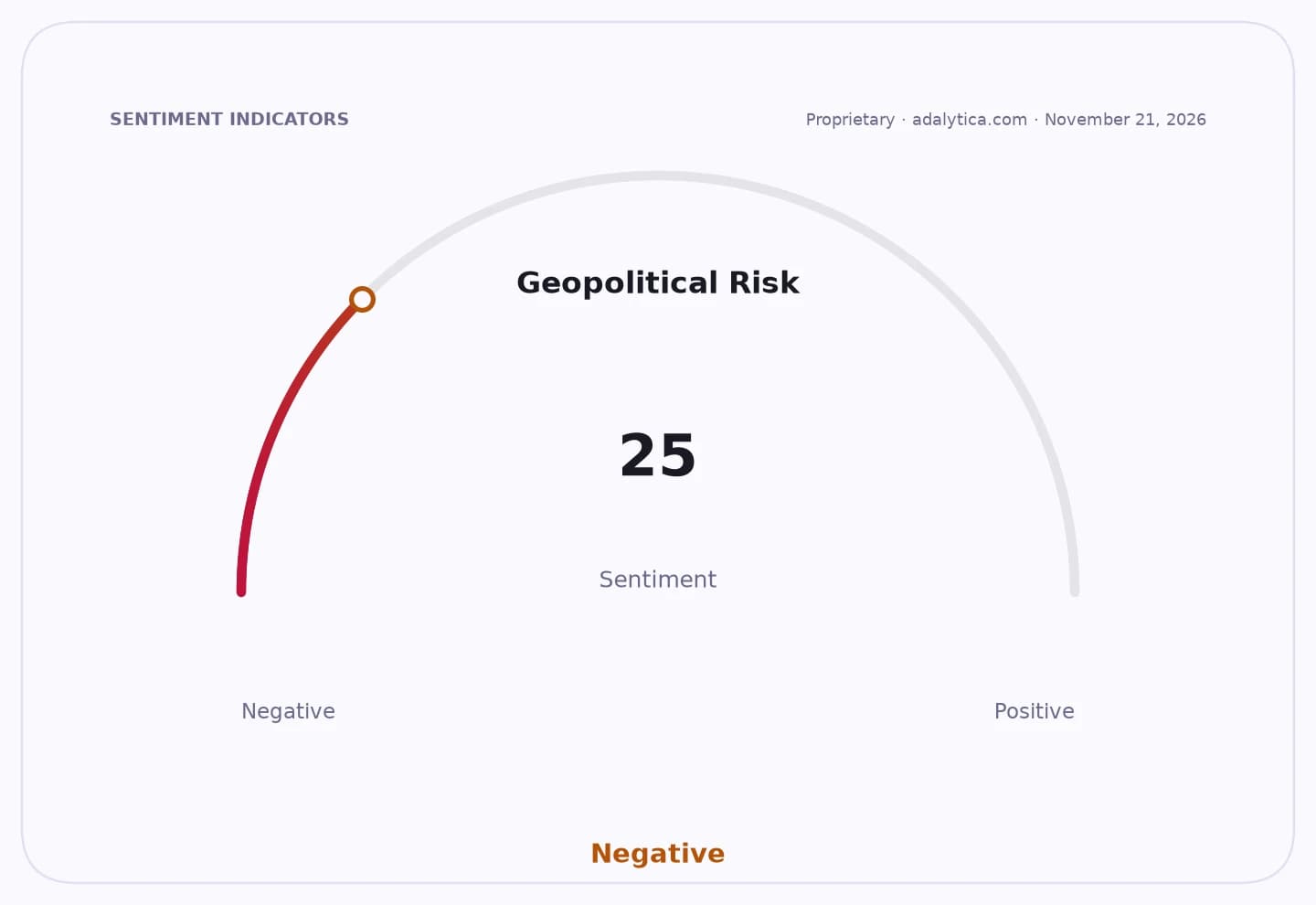
Sentiment Indicators
Geopolitical Risk
The sticking points are especially relevant because China is not only negotiating rules while expanding its footprint. Reports of a nearly 3-kilometer runway being built on a disputed reef underline why ASEAN members, particularly the Philippines, remain wary of any agreement that does not clearly constrain behavior at sea. A paper deal that does not change facts on the water would do little to reduce tensions, and that is exactly the concern weighing on the talks.
That tension is showing up in market mood as well. Adalytica’s Global Stability Sentiment gauge is at 4, or “Extreme Fear,” while its US–China Relations Sentiment is at 100, labeled “Extreme Greed,” reflecting how quickly geopolitical headlines can swing expectations even when negotiations are ongoing. China-focused exchange-traded funds such as FXI have also weakened, while Hong Kong and Singapore proxies, EWH and EWS, have slipped from earlier highs. Those moves do not tell the whole story, but they do remind investors that diplomatic friction can filter into regional valuations, risk appetite and capital flows.
Geopolitical Risk vs FXIadalytica.com
Explore this data interactively — full history, time series and cross-market comparisons.
Geopolitical Risk
The economics here are straightforward: stable rules reduce the chance of military incidents that could disrupt trade, insurance costs and investor confidence. Unclear rules do the opposite. That is why ASEAN wants a binding framework and why Beijing wants a process that preserves room to maneuver. Both sides can claim progress, but until the hardest clauses are settled, the South China Sea remains a risk premium, not a solved problem.
For long-term investors, the lesson is to watch how geopolitics interacts with assets tied to China, Southeast Asia and global trade. The region still offers powerful growth, but the path will not be smooth. Until a real code is signed and enforced, this dispute remains one to keep on the watchlist.
| Entity | Gains | Losses |
|---|---|---|
| China | ▲Greater room to maneuver | ▼Credibility if talks stall |
| ASEAN members | ▲Chance for binding rules | ▼Leverage if consensus weakens |
| Philippines | ▲Diplomatic backing | ▼Exposure to frontline tensions |
| Regional investors | ▲Potential clarity if deal lands | ▼Higher risk premium while delayed |