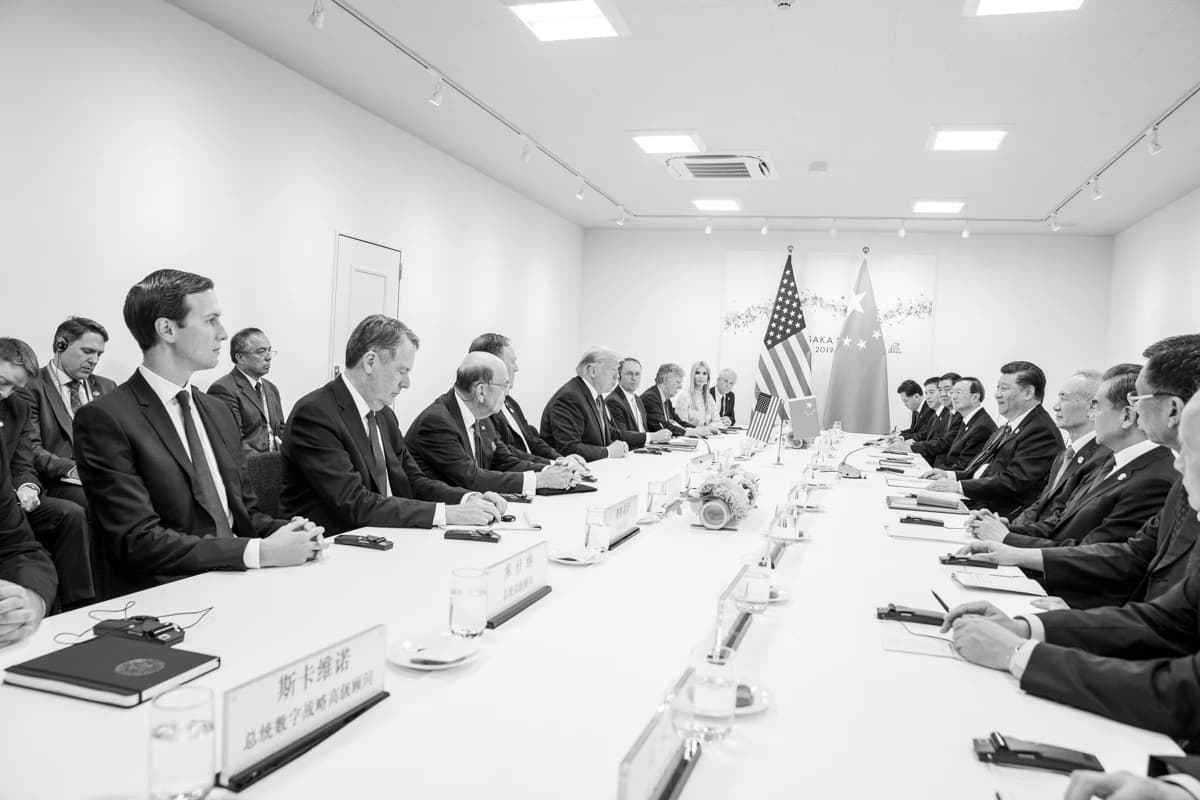
Donald Trump’s trip to Southeast Asia is turning into a hard-nosed bid to turn diplomacy into contracts, with Washington seeking more access to critical minerals while pressing regional partners to buy more American goods even as tensions with China intensify.
Trump Asia Trip Links Trade Talks to Deals
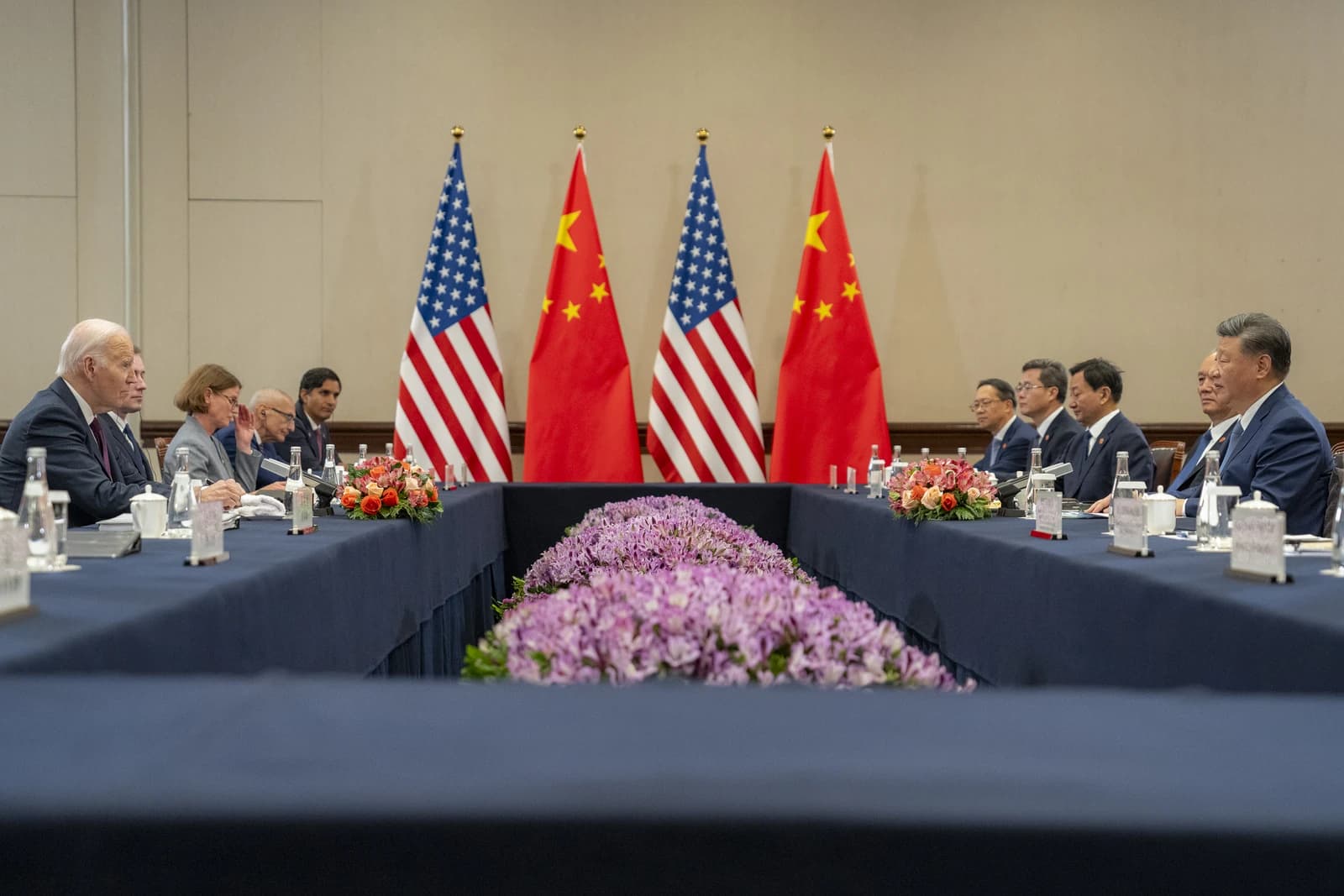
That matters because the real economic prize is not ceremonial communiqués but supply-chain leverage: control over rare earths, mineral supply, LNG sales and aircraft orders could help the U.S. reduce dependence on China and support domestic exporters, while any easing of tariffs or tech restrictions with Beijing would reshape flows across the world’s second-largest economy and its trading partners.
Sentiment Indicators
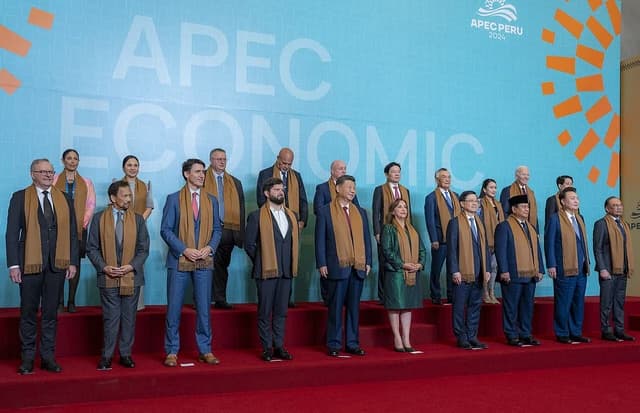
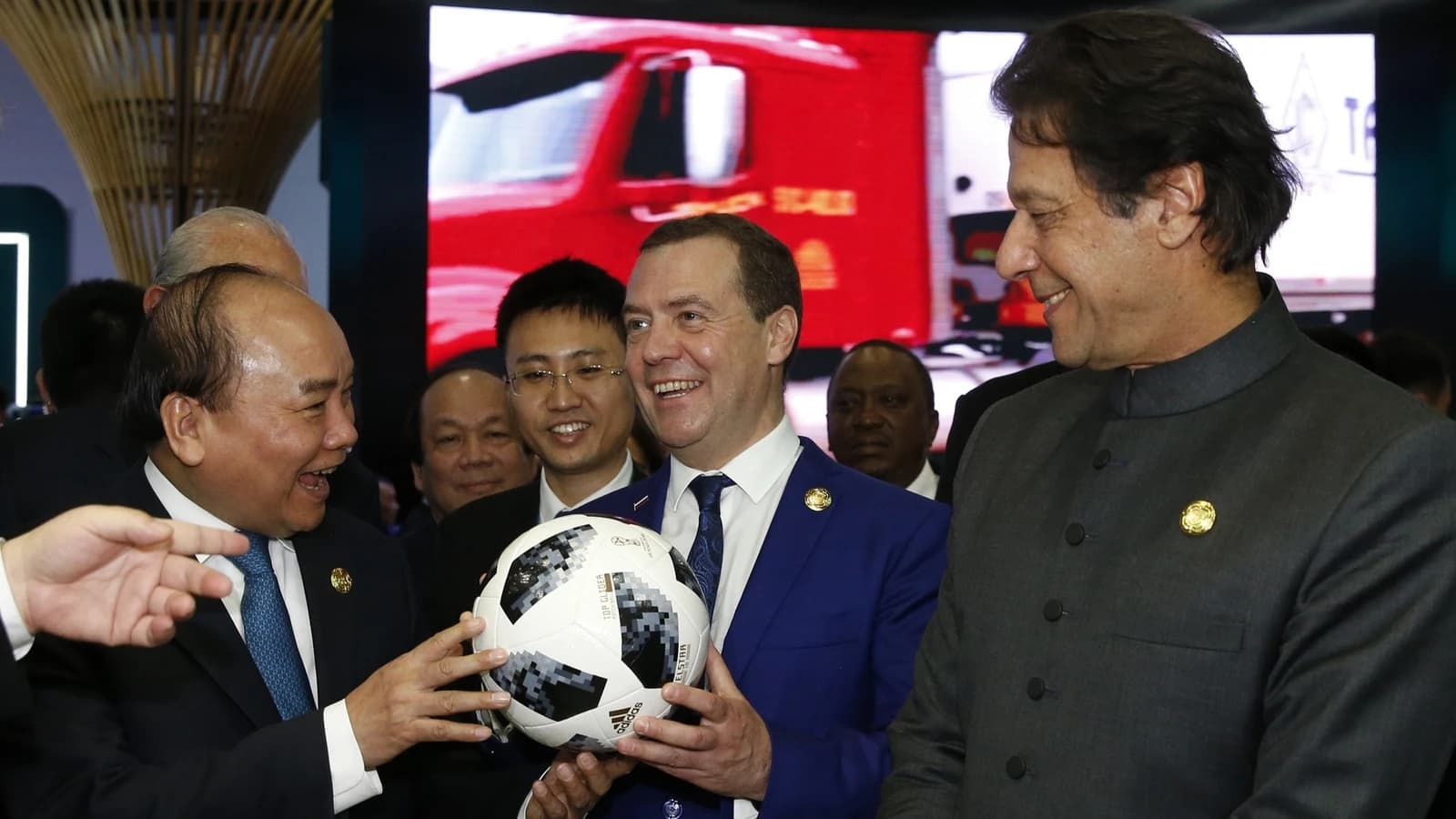
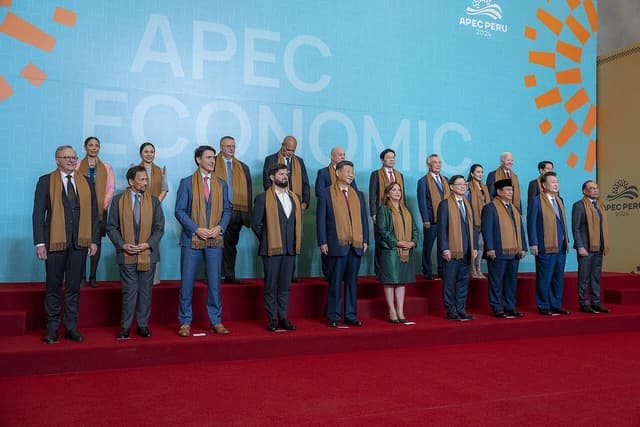
The stop in Manila for ASEAN meetings, followed by the Nov. 18-19 APEC summit in Shenzhen, frames the trip as a test of whether the U.S. can convert geopolitical influence into measurable commercial gains. A political analyst quoted in the source described Washington’s two goals plainly: buy more minerals from Southeast Asia and get those countries to buy more U.S. products. That is the kind of policy that reverberates far beyond the summit hall, because it directly affects industrial supply chains, energy exports and the bargaining power of American manufacturers.
Malaysia’s October 2025 trade deal shows the model. Under the White House’s joint statement, Kuala Lumpur agreed not to impose bans or quotas on exports of critical minerals and rare earths to the U.S., while also flagging aircraft purchases and imports of U.S. liquefied natural gas. For investors, that is a clear signal that Washington is trying to build a friend-shored supply chain around the raw materials that power AI chips, defense systems, electric vehicles and advanced manufacturing. The winners are obvious: miners, LNG exporters, aerospace suppliers and the U.S.-listed industrial names that benefit when trade policy is designed to channel demand back toward America.
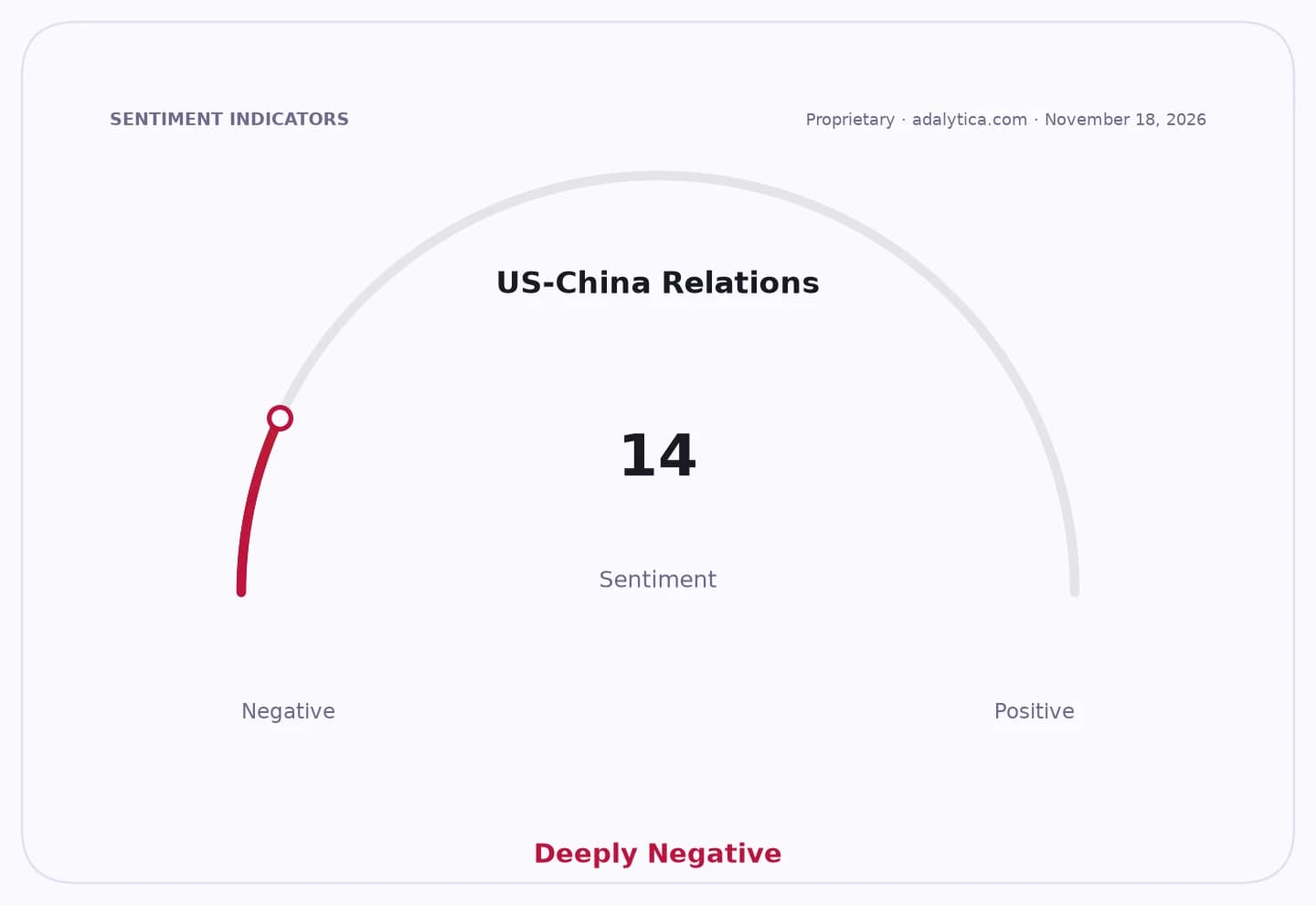
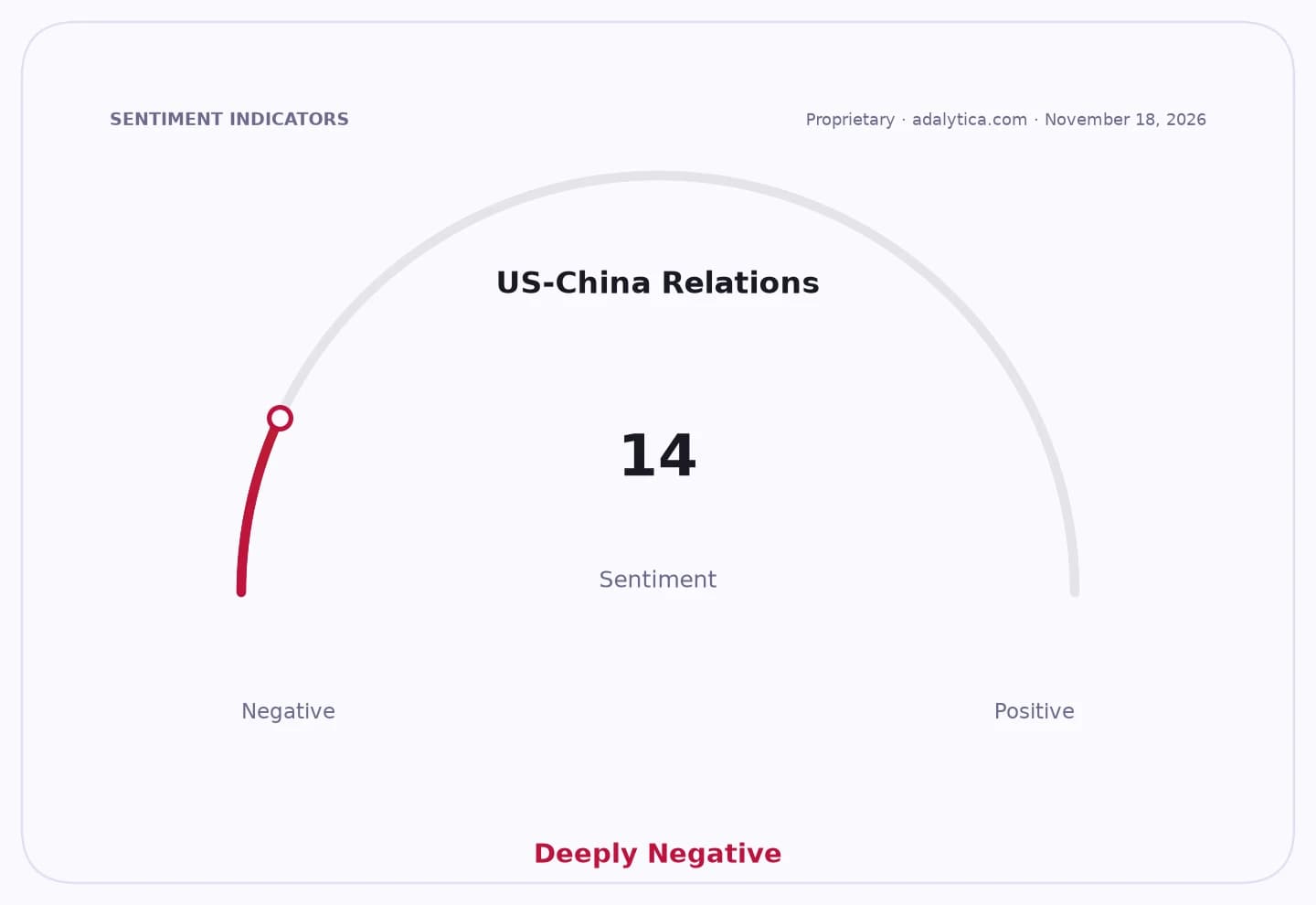
US-China Relations — 30-day sentimentadalytica.com
Explore this data interactively — full history, time series and cross-market comparisons.
The China leg is more complicated and potentially more market-moving. Tariffs and access to advanced computing chips remain the core fault line, and Beijing is pushing for continued access to high-end U.S. semiconductors while seeking lower tariffs. But Washington undercut any easy détente on Nov. 16 by unveiling new rules to restrict China’s access to advanced U.S. chips and computing power in foreign data centers. That is a reminder that the summit is less about a sweeping trade reset than about managing an increasingly segmented global technology stack.
Markets are already pricing the tension, not the peace. Chinese equities tracked by the FXI ETF have slipped to $32.39, below both their 50-day moving average of $33.77 and 200-day average of $35.17, while the U.S.-China relations gauge from Adalytica.com shows extreme fear despite high awareness. That combination says investors are skeptical that headline diplomacy will overcome export controls, tariff risk and the strategic rivalry baked into the talks.
The bigger investment takeaway is that the next phase of globalization will be selective, not broad-based. Countries that can supply critical minerals without Chinese overhang, and U.S. companies that sell aircraft, LNG, semiconductor equipment and AI infrastructure, stand to gain from the new trade architecture. China-facing tech, by contrast, remains exposed to policy shock and valuation compression. If these summits produce anything durable, it will be a more fragmented but investable map of trade flows — and the smart money should be positioned for the winners of that fragmentation now, not after the agreements are signed.
| Entity | Gains | Losses |
|---|---|---|
| U.S. exporters | ▲More overseas demand | ▼Less trade friction if talks stall |
| Southeast Asian mineral suppliers | ▲Critical-mineral demand | ▼Quota risk if policy shifts |
| China tech sector | ▲Chip access if rules ease | ▼Export controls and tariffs |
| Aerospace and LNG suppliers | ▲New purchase deals | ▼Delay if diplomacy fails |