Andhra Pradesh’s mining arm is moving from a passive landowner to an active resource player, with state officials saying APMDC will bid for three coal blocks in Odisha and Jharkhand while the government also prepares a new rare earth development corporation and a stock market listing for APMDC itself.
Andhra Pradesh APMDC Plans Coal Bids and IPO
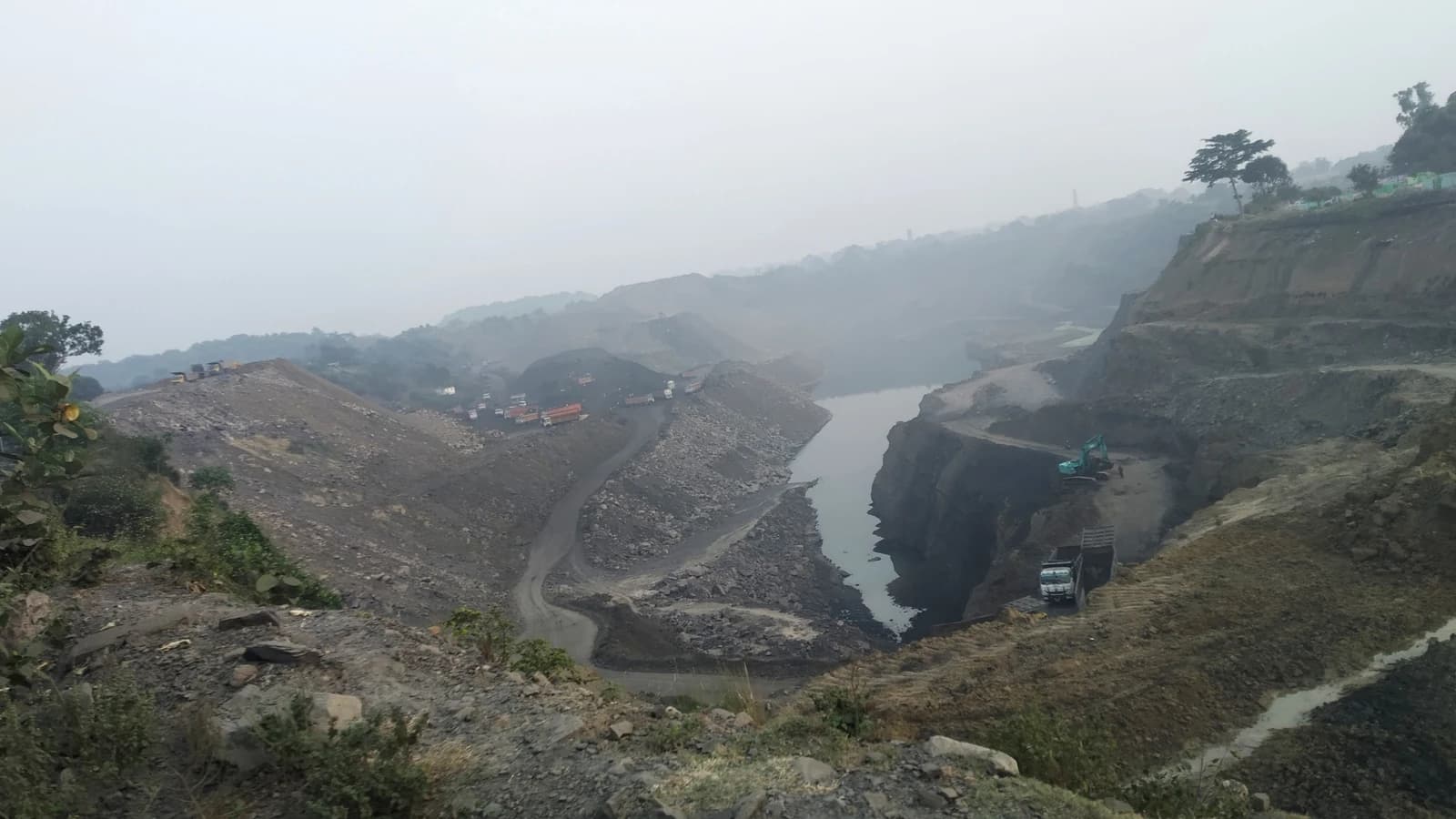
That matters because the story is no longer just about digging up minerals; it is about converting resource rights into long-term cash flows, industrial supply security and a larger equity story for investors. In a country where critical minerals, coal and power security are increasingly tied to policy, a more ambitious APMDC could become a vehicle for monetizing state assets more efficiently.
Sentiment Indicators
Officials said the three coal blocks being auctioned hold 1,774.6 million tonnes of reserves, a scale that could help feed thermal power plants and reduce supply risks. For Andhra Pradesh, securing coal outside its borders is strategically useful if it can support electricity reliability at home and improve the economics of state-run mining operations.
The broader backdrop is a government that wants to stop treating minerals as a one-off revenue source and start treating them as a future asset base. Chief Minister N. Chandrababu Naidu approved plans for an Andhra Pradesh Rare Earth Development Corporation and asked officials to draw up a blueprint to elevate APMDC in a manner similar to India’s national miner NMDC, including help from private agencies if needed.
That push comes with clear investor implications. Rare earths sit at the center of electric vehicles, defense systems, wind turbines and electronics, and governments around the world are racing to secure supply chains. If Andhra Pradesh can identify deposits, auction blocks faster and build value-added capacity, it could tap a secular demand trend rather than rely only on commodity price swings.
Naidu also cleared a plan to list APMDC on the stock market by December next year, based on the company’s equity value. That is the kind of development long-only investors watch closely, because a listing can sharpen transparency, impose capital discipline and create a tradable asset tied to resource development rather than just state budget receipts.
The immediate financial upside is not trivial. Officials said clearing 6,500 pending quarry lease applications and 223 renewals could bring in about 4 billion rupees in revenue. For a state government under pressure to broaden non-tax income, that is material. For investors, it signals a pipeline of monetizable assets rather than a one-off policy headline.
The longer-term question is execution. Mining projects are slow, politically sensitive and capital-intensive, and rare earth development is especially dependent on geology, processing know-how and downstream markets. But if Andhra Pradesh follows through on auctions, permits and a possible IPO, APMDC could become one of the more interesting state-backed resource stories in India.
For investors, the takeaway is simple: watch the coalition of coal, critical minerals and capital markets. If the state can convert reserve-rich land into stable production and public-market value, this could be a rare example of a mining company becoming a broader economic engine. Worth watching for the long term.
| Entity | Gains | Losses |
|---|---|---|
| APMDC | ▲Bigger reserves, IPO optionality | ▼Execution risk, capital burden |
| Andhra Pradesh government | ▲Higher revenue, asset monetization | ▼Policy pressure to deliver |
| Thermal power plants | ▲Better coal supply security | ▼Dependence on auction success |
| Private mining agencies | ▲New contracts and partnerships | ▼Less room if state executes alone |