Coal India is moving ahead with a major subsidiary listing that could unlock billions of rupees in value and give investors a rare way to buy into one of India’s biggest coal assets. The company’s Mahanadi Coalfields initial public offering has SEBI approval, a price band of ₹129 to ₹136 a share and a target to raise about ₹9,500 crore, with two more coalfield listings planned next year.
Coal India Mahanadi Coalfields IPO gets SEBI approval

The deal matters because it turns a state-backed coal producer into a more active capital-markets story at a time when India still relies heavily on coal for power and industrial demand. Listing large mining units can improve transparency, surface asset values that are hard to see inside a conglomerate structure and provide the government with a fresh funding source without immediately selling the parent.
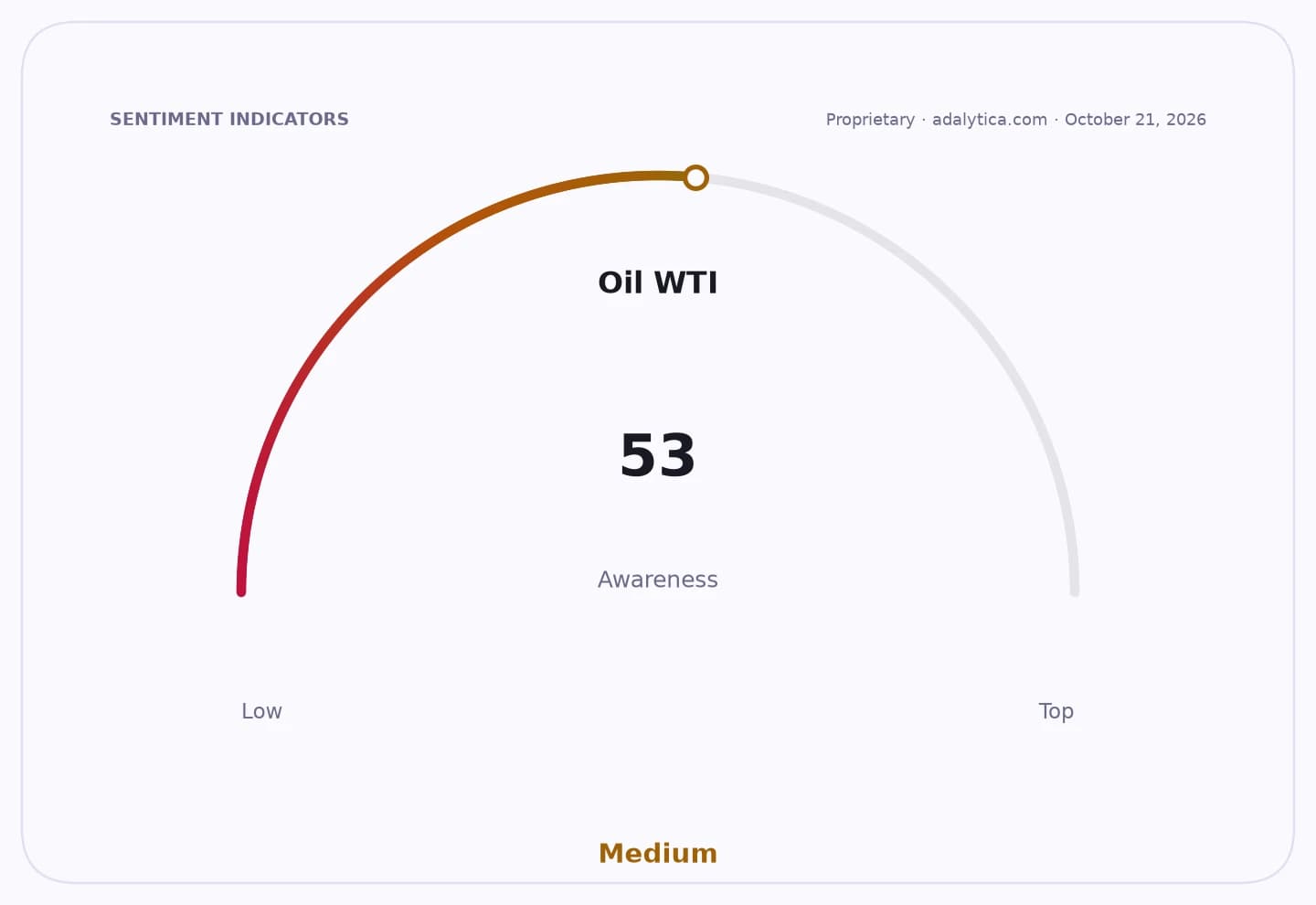
Sentiment Indicators
For investors, the offering creates a new route into India’s coal chain and could set a valuation benchmark for other thermal coal assets. Mahanadi Coalfields is one of Coal India’s key subsidiaries and the issue is expected to draw strong demand, but the size of the float also means allotment may be tight if retail and institutional interest piles in.
Coal India shares were little changed around ₹397.5 in Mumbai on Tuesday, after recently trading above the 50-day moving average and slipping back below the 200-day moving average. The stock’s rebound from the mid-October lows has been uneven, and the latest move leaves it in the middle of a technical range rather than in a clear breakout.
The broader coal trade also remains mixed. Adalytica’s Coal Fear & Greed Index was at 18, in “Fear,” while the S&P 500’s risk gauge sat in “Greed,” underscoring that investors are still treating coal as a niche, event-driven play rather than a broad sector bet.
If the Mahanadi listing is well received, it could pave the way for the next two coalfield IPOs and deepen India’s privatization-style capital market playbook. The key risks are coal price volatility, regulatory scrutiny and whether investors assign a durable premium to listed coal assets in a decarbonizing market.
| Entity | Gains | Losses |
|---|---|---|
| Coal India | ▲asset monetization | ▼simpler group structure |
| Government of India | ▲fresh proceeds | ▼direct control over units |
| IPO investors | ▲new coal exposure | ▼tight allotment, valuation risk |
| Thermal coal rivals | ▲clearer pricing benchmark | ▼higher scrutiny on reserves |