Tata Steel has agreed to pay Rs 315 crore in employee bonuses this year, a larger settlement that underscores the company’s effort to preserve labor peace while it navigates a still-uneven steel cycle.
Tata Steel agrees to Rs 315 crore bonus payout
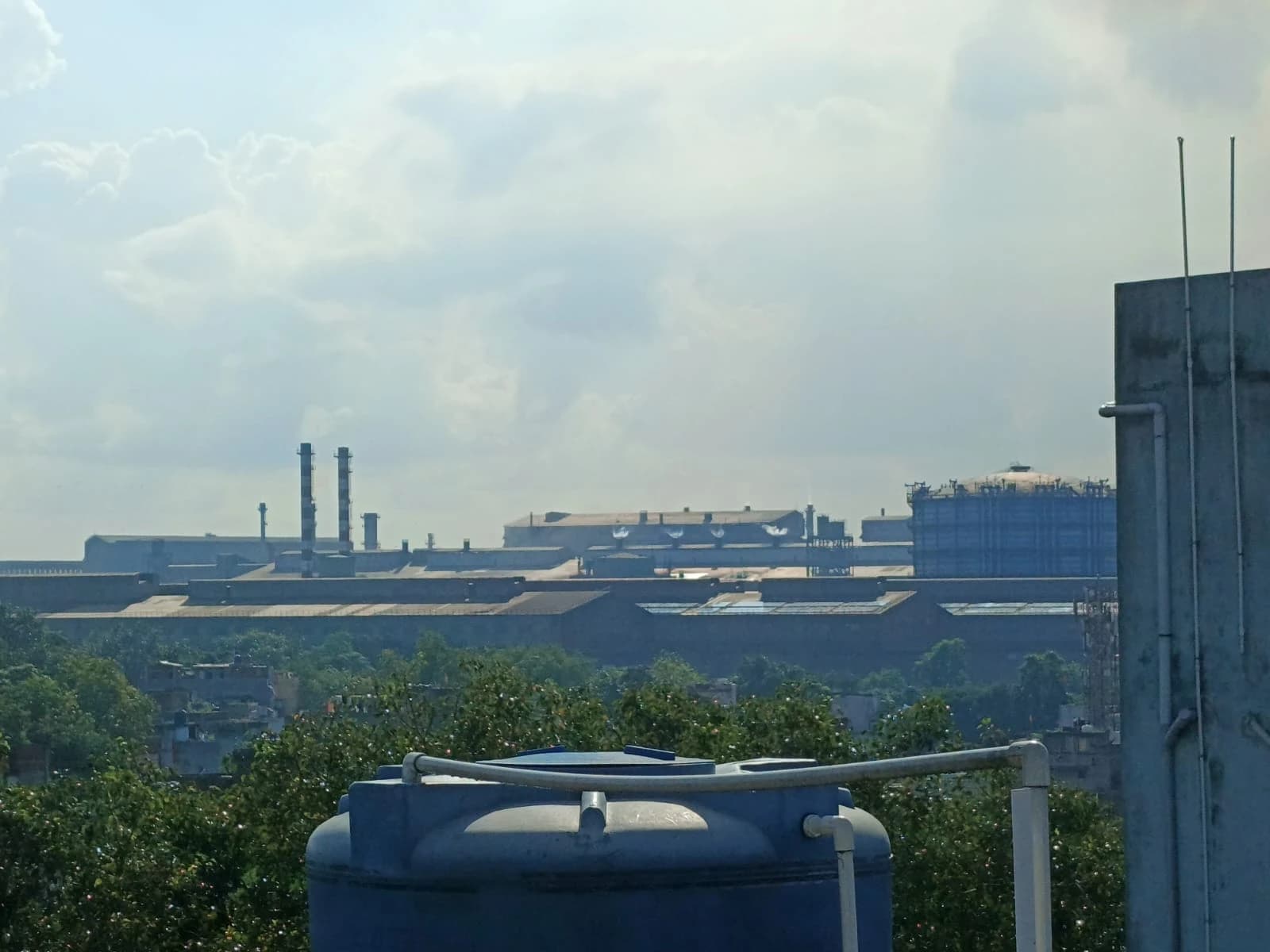
The pact matters because incentives at a heavyweight industrial producer are not just a payroll item; they are a signal of cash generation, workforce stability and management’s willingness to share the gains from operations with employees. For investors, the key takeaway is that Tata Steel is prioritizing continuity across a broad operating footprint, from Jamshedpur to Kalinganagar and the company’s mines and collieries, even as the sector faces volatile demand and pricing.
Under the agreement, the maximum bonus for old-series employees will be Rs 4,52,512, while employees in the NS grade will receive up to Rs 1,28,448, with a minimum of Rs 39,016 for that category. The payout will reach 25,603 workers in Tata Steel-linked units, including 11,021 employees at the Jamshedpur plant.
The bonus pool is also larger than last year’s Rs 303.12 crore, rising by Rs 11.88 crore after talks between managing director and CEO T.V. Narendran and Tata Workers’ Union president Sanjeev Chaudhary Tunnu. That increase is modest in percentage terms, but it matters because it points to management’s confidence in maintaining employee engagement without materially straining the balance sheet.
For the market, Tata Steel’s announcement fits a broader pattern in Indian industry: companies with scale and operating leverage are still willing to lock in industrial peace through negotiated payouts, especially ahead of the festive season. That can support productivity and reduce the risk of disruptive labor friction, which is often underpriced until it hits output, deliveries or margins.
The stock has been trading with a mixed technical backdrop, with the share price near Rs 184 and the 50-day moving average above the 200-day moving average, but momentum indicators have cooled from earlier highs. In that setting, the bonus announcement is unlikely to move the stock on its own; what it does do is reinforce the view that Tata Steel remains committed to balancing stakeholder returns with operational discipline.
Investors should watch the next catalyst not the bonus size itself, but whether the company can translate steadier labor relations into stronger execution across its Indian assets. If steel demand improves and pricing holds, today’s negotiated payout will look like the cost of securing a more reliable earnings base. That is the real investment case: not the bonus, but the operational stability it helps buy.
| Entity | Gains | Losses |
|---|---|---|
| Tata Steel employees | ▲Higher bonus payout | ▼— |
| Tata Steel management | ▲Labor peace | ▼Higher cash outflow |
| Tata Steel investors | ▲Lower disruption risk | ▼Slight margin pressure |
| Rival steel firms | ▲— | ▼Pressure to match payouts |